Trump military adviser says US troops must prepare for combat near moon
The U.S. Space Force is preparing for potential conflicts between Earth and the moon following the first public acknowledgment of on-orbit space control weapons.
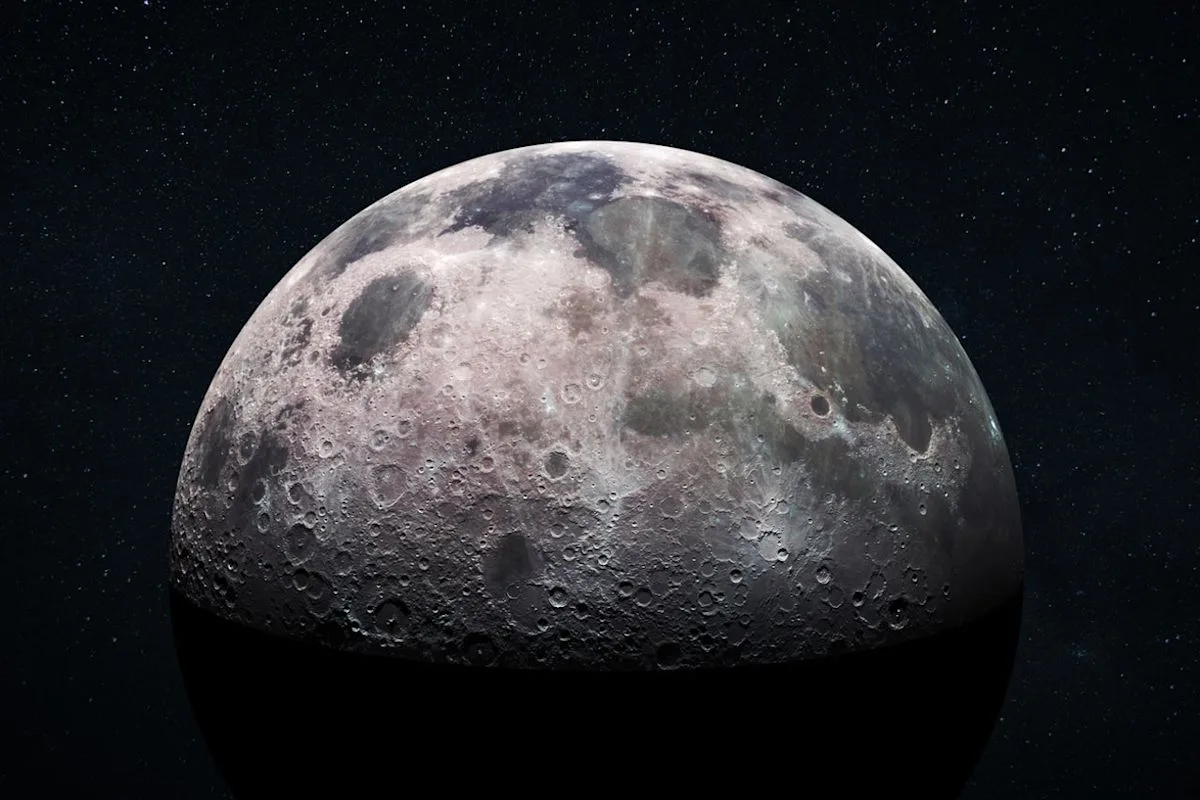
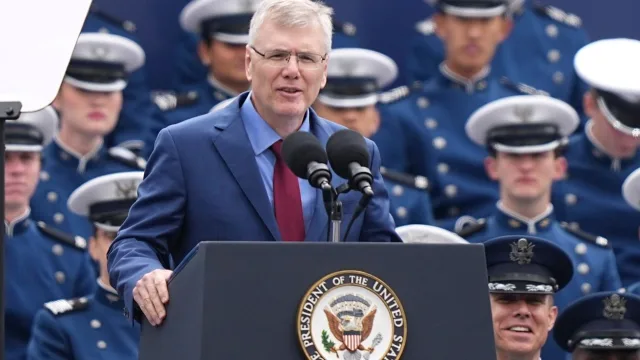
Gen. Dan Caine, chairman of the Joint Chiefs of Staff, urged U.S. troops to prepare for combat in cislunar space—between Earth’s orbit and the moon—during a speech at the Air, Space and Cyber Conference near Washington, according to multiple outlets. The statement followed recent disclosures that the U.S. has deployed “on-orbit space control weapons,” according to Air Force Secretary Troy Meink. Caine emphasized the need for the military to adapt to “fight, endure and win … from the seabed to cislunar space,” signaling a shift toward preparing for potential conflicts beyond Earth’s atmosphere.
Military Adviser's Call for Lunar Preparedness
The remarks by Caine, President Donald Trump’s top military adviser, align with the U.S. Space Force’s growing focus on defending national interests in space. Lt. Gen. Gregory Gagnon, head of the Space Force’s Combat Forces Command, stated that the branch’s mission includes “help[ing] be prepared to defend U.S. interests” as “humanity is advancing deeper into space.” This comes after the first public acknowledgment of U.S. space-based weapons, which military officials say are intended to counter threats from “potential adversaries” such as the People’s Republic of China (PRC).
China established its own military space unit in 2024 to manage space-related crises, according to the sources. Gagnon noted that the PRC is “actively pursuing activities in the system, in parts of space,” though he did not specify the nature of these efforts. Chinese foreign ministry spokesperson Guo Jiakun condemned the U.S. moves, stating that China “opposes the weaponization, militarization and an arms race in outer space” and urging the U.S. to “stop expanding its military preparations in outer space.”
| Detail | Information |
|---|---|
| U.S. Space Force size | Planned to double to 25,000 service members over five years |
| Combat Forces Command allocation | Approximately two-thirds of the expanded force |
| Outer Space Treaty | 1967 agreement prohibiting nuclear weapons in space and mandating peaceful use of celestial bodies |
China's Response and International Concerns
The U.S. military’s push into cislunar space has drawn scrutiny over its compliance with international norms. The 1967 Outer Space Treaty, ratified by both the U.S. and China, prohibits the placement of nuclear weapons in orbit and mandates that celestial bodies be used “exclusively for peaceful purposes.” However, the treaty does not explicitly address the deployment of conventional weapons in space, leaving legal ambiguities about the U.S. actions.
A renewed effort to strengthen anti-militarization rules at the United Nations failed two years ago after Russia vetoed a U.S.-Japanese resolution to ban nuclear arms in space. A competing Russian proposal to ban all weapons in space also collapsed. Gagnon defended the U.S. stance, stating the Space Force would “continue to execute safe and responsible space operations,” but declined to detail policies on specific armaments like projectiles or bullets in space.
The U.S. military has not clarified whether its space weapons are designed for defensive or offensive purposes. Gagnon emphasized that the expansion of the Space Force is “to help create deterrence,” but the lack of transparency has fueled concerns about an escalating space arms race. Chinese officials have repeatedly called for dialogue to prevent militarization, though their own military space capabilities remain unspecified.
Unanswered Questions and Next Steps
Key questions remain about the scope of U.S. space operations and their legal basis. The Pentagon has not provided details on the types of weapons deployed in orbit or their intended use in cislunar space. Additionally, the role of the Space Force in potential conflicts near the moon is undefined, with no public strategy outlining how such scenarios would be managed.
International reactions are divided. While some nations, including China, have criticized the U.S. moves, others have remained silent. The U.S. military’s focus on space combat may accelerate efforts to update or replace the 1967 treaty, but no concrete proposals have been announced. As the Space Force expands, the next major development could involve further disclosures about its capabilities or diplomatic efforts to address global concerns about space militarization.
Frequently Asked Questions
What does the U.S. military’s call for lunar combat readiness mean?
The statement by Gen. Dan Caine and Lt. Gen. Gregory Gagnon signals the U.S. military is preparing for potential conflicts in cislunar space, including near the moon. This follows the first public acknowledgment of U.S. space-based weapons, though specific details about their capabilities remain undisclosed.
How does the 1967 Outer Space Treaty apply to these developments?
The treaty prohibits nuclear weapons in space and mandates peaceful use of celestial bodies, but it does not explicitly address conventional weapons. U.S. officials argue their actions comply with the treaty, while critics question whether deploying weapons in orbit or near the moon violates its spirit.
What is China’s position on U.S. space militarization?
China has consistently opposed the weaponization of space, calling for restraint and dialogue. It established its own military space unit in 2024 but has not publicly disclosed similar space-based weapons. Chinese officials have urged the U.S. to halt its “expansion of military preparations in outer space.”
The next major trigger for this story could be further disclosures from the Pentagon about space weapons or diplomatic efforts to address international concerns. As the U.S. Space Force grows, the balance between deterrence and escalation in space remains a critical unresolved issue.
Dateline Wire is dedicated to independent, evidence-backed reporting. This briefing was synthesized from primary source reporting, corroborated across independent newsrooms, and verified against our Editorial Standards.