Cornell president vows transparency after frat house rape allegations
Cornell University President Michael Kotlikoff has vowed to prioritize transparency and institutional reforms following allegations of a 2024 sexual assault.
- Headline: Cornell president vows transparency after frat house rape allegations
- Dispatch Summary: Cornell University President Michael Kotlikoff has vowed to prioritize transparency and institutional reforms following allegations of a 2024 sexual assault.
- Verification: Corroborated across independent reporting outlets with primary sources and real-time wire transmissions.

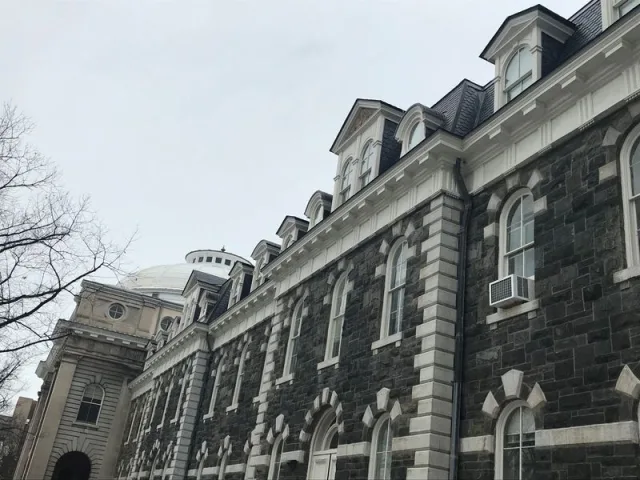
Cornell University President Michael Kotlikoff has vowed to prioritize transparency and institutional accountability following allegations of a 2024 sexual assault involving seven former fraternity members. The incident, described as a “deeply disturbing” event by Kotlikoff, has sparked widespread scrutiny of the university’s response and broader conversations about campus culture, legal protections for survivors, and the role of Greek life in higher education.
President’s Commitment to Transparency and Reform
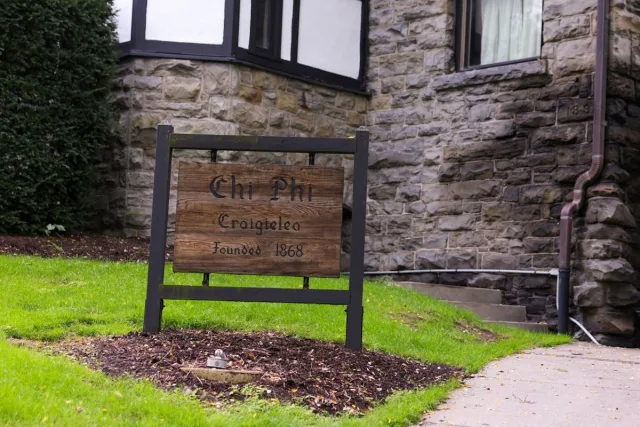
In an eight-minute video statement released on October 4, 2026, Kotlikoff acknowledged the “heartbreaking and troubling issues” raised by the alleged gang rape of a 20-year-old Cornell undergraduate, identified in court documents as Jane Doe. The incident, which occurred in October 2024 at the Chi Phi fraternity house, involved allegations that Doe was drugged with ketamine and sexually assaulted by multiple individuals over several hours. While the seven men have denied wrongdoing, some claiming the encounters were consensual, no criminal charges have been filed.
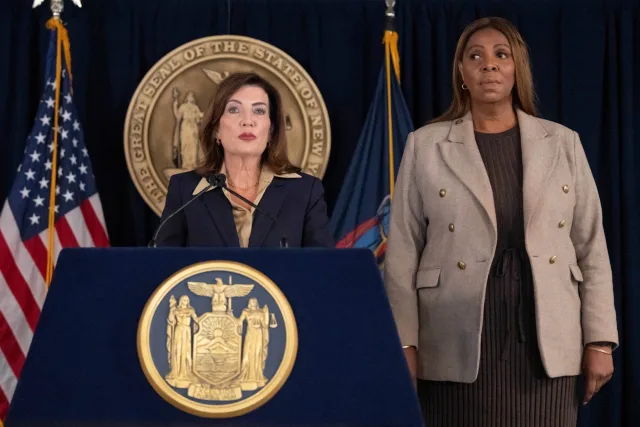
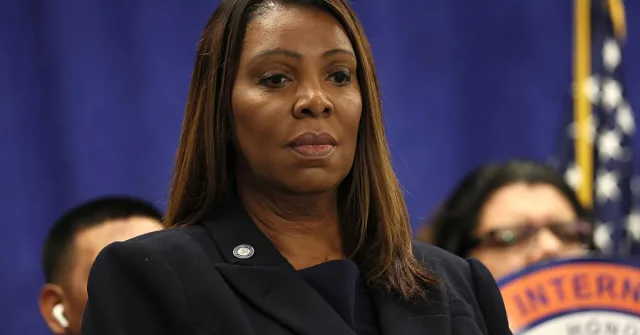
Kotlikoff emphasized that the university “must do better” in addressing sexual assault, citing concerns about campus party culture, alcohol and drug use, and the adequacy of its investigative processes. He announced plans to conduct an independent review of Cornell’s handling of the case, a move supported by New York Governor Kathy Hochul, who has appointed Attorney General Letitia James to lead the criminal investigation. The president also pledged to reevaluate the role of fraternities and sororities on campus, stating that “being part of a group can never diminish individual responsibility for our own actions.”
“We don’t have all the answers, but we are committed to investigating and finding the answers our community deserves,” Kotlikoff said. He acknowledged frustration over the university’s communication, vowing to improve transparency while navigating legal and privacy constraints.
Legal and Legislative Scrutiny
The case has reignited debates over New York’s legal framework for sexual assault, particularly its “voluntary intoxication loophole.” Tompkins County District Attorney Matthew Van Houten initially declined to pursue charges, citing Doe’s account of voluntary drug use and sexual activity. Critics argue that the law disproportionately burdens survivors who may be incapacitated through self-administered substances, even if they cannot consent. Hochul has pledged to push for legislative changes to close this gap, a stance supported by Kotlikoff.
Meanwhile, Doe’s civil lawsuit against Cornell and the seven former students alleges the university failed to protect her and inadequately addressed the allegations. The case also drew attention to the university’s handling of the initial investigation, including the delayed release of a transcript from Doe’s November 2024 interview with Cornell Police. Van Houten reopened the probe after Hochul appointed the state attorney general as special prosecutor.
| Detail | Information |
|---|---|
| Incident Date | October 19, 2024 |
| Alleged Perpetrators | Seven former Chi Phi fraternity members |
| Legal Status | No criminal charges filed; state attorney general conducting active investigation |
| University Actions | Independent review by outside law firm; commitment to transparency and policy reforms |
Student Protests and Calls for Accountability
Cornell students have expressed frustration over the university’s response, with some demanding Kotlikoff’s resignation. During a public hearing in late September 2026, attendees criticized the administration for perceived inaction and lack of communication. “Our administration needs to change drastically and fast,” one student told the BBC. “Something like this never should have happened.”
Hochul, when asked about Kotlikoff’s potential resignation, declined to take a position, stating she lacked sufficient information. However, the governor has publicly condemned the handling of the case, calling it “deeply disturbing” and supporting the state’s involvement in the criminal investigation.
Kotlikoff’s statement also addressed the broader implications of the case, calling it a “defining moment” for Cornell. He emphasized the need to foster a campus culture where sexual assault is “inexcusable” and survivors are “empowered and understand informed consent.” The university plans to engage students, alumni, and lawmakers in reevaluating the role of fraternities and strengthening accountability mechanisms.
Frequently Asked Questions
What changes has Cornell committed to following the allegations?
Cornell has pledged an independent review of its handling of the case, increased transparency in communications, and reforms to prevent and address sexual assault. The university will also reexamine the role of fraternities and sororities, while supporting legislative efforts to close New York’s “voluntary intoxication loophole.”
What is the status of the criminal investigation?
New York Attorney General Letitia James is leading an active criminal investigation into the allegations. The Tompkins County District Attorney initially declined to file charges but reopened the case after Hochul appointed the state attorney general as special prosecutor.
How has the student body responded?
Students have criticized the university’s handling of the case, with some calling for Kotlikoff’s resignation. Public hearings and protests have highlighted frustrations over perceived institutional failures and the need for systemic change.
The university’s Board of Trustees is expected to announce details of the independent review in the coming week. As the case continues to unfold, the focus remains on balancing legal constraints with the demand for accountability, transparency, and cultural transformation on campus.
How significant is this wire dispatch?
Cast your anonymous vote to register reader consensus across journalism and intelligence sectors.
Dateline Wire is dedicated to independent, evidence-backed reporting. This briefing was synthesized from primary source reporting, corroborated across independent newsrooms, and verified against our Editorial Standards.