Blast in Pakistan’s Dera Ismail Khan kills 11, injures 30
At least 11 people were killed and 30 injured after a suicide car bomber struck a police checkpoint in Pakistan's Khyber Pakhtunkhwa province.
- Headline: Blast in Pakistan’s Dera Ismail Khan kills 11, injures 30
- Dispatch Summary: At least 11 people were killed and 30 injured after a suicide car bomber struck a police checkpoint in Pakistan's Khyber Pakhtunkhwa province.
- Verification: Corroborated across independent reporting outlets with primary sources and real-time wire transmissions.
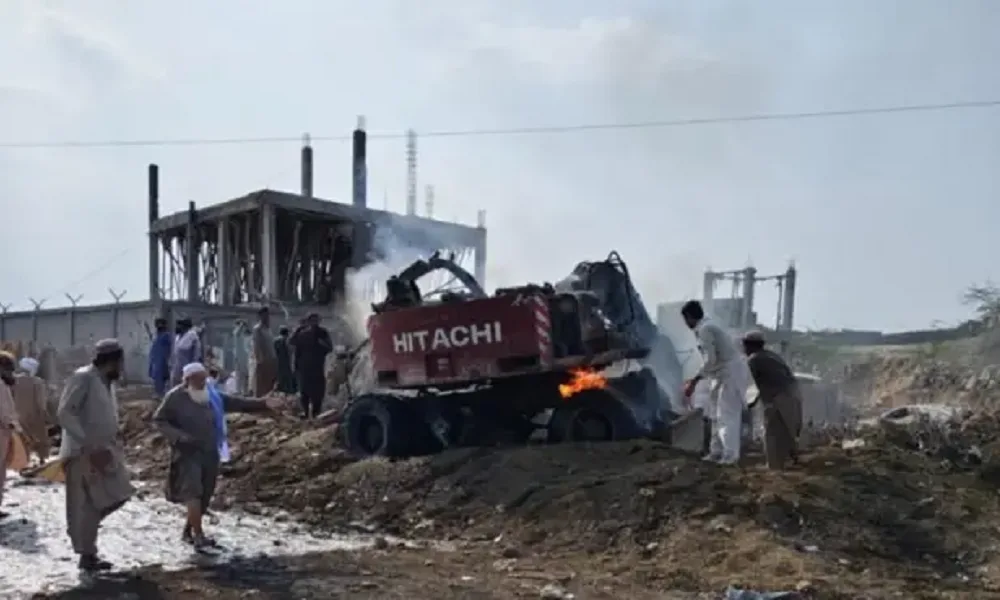
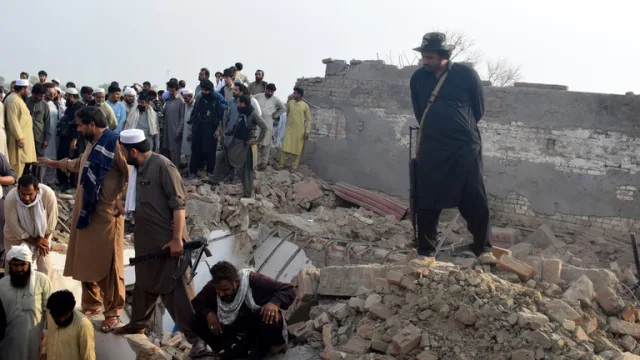
A deadly blast struck a police checkpoint in Dera Ismail Khan, northwestern Pakistan, on September 26, 2026, killing at least 11 people and injuring 30 others, according to emergency services and multiple news outlets. The attack, claimed by the Tehreek-e-Taliban Pakistan (TTP), targeted a joint anti-smuggling checkpoint near Aman Mela in the Darazinda area, exacerbating security concerns in a region already plagued by militant violence.
Attack Details and Immediate Aftermath
The explosion occurred at a security post along the Dera Ismail Khan-Quetta Road, a key route for law enforcement to monitor movement and conduct checks. Rescue 1122, Pakistan’s emergency service, reported that the blast caused significant structural damage and prompted immediate relief operations. At least 11 bodies were recovered, including eight men, two women, and a child, while 30 injured individuals were transported to hospitals, with some in critical condition.
Rescue teams from the Darazinda station arrived at the scene shortly after the blast, providing medical aid and coordinating with additional ambulances and personnel from neighboring districts. Bomb disposal units were deployed to investigate the site, though the exact cause of the explosion remained unverified at the time of reporting. The attack targeted a checkpoint used for anti-smuggling operations, a frequent location for militant strikes in the region.
| Detail | Information |
|---|---|
| Date and Location | September 26, 2026, Dera Ismail Khan, Khyber Pakhtunkhwa |
| Killed | 11 (including 8 men, 2 women, 1 child) |
| Injured | 30 (with some in critical condition) |
| Attack Method | Suicide bomber detonating an explosives-laden vehicle |
| Perpetrator Claim | Tehreek-e-Taliban Pakistan (TTP) |
TTP Claims Responsibility, Regional Security Context
The TTP, a militant group active in Pakistan’s tribal regions, claimed responsibility for the attack, according to reports from Associated Press and Reuters. This follows a pattern of attacks by the group, which has targeted security forces and civilians in Khyber Pakhtunkhwa and Balochistan. The TTP’s resurgence has coincided with a broader uptick in militant violence, including a September 18 suicide bombing in Kohat that killed 16 people and injured 57.
Pakistan’s government has repeatedly accused the Afghan Taliban of allowing TTP operatives to operate from Afghan soil, a claim Kabul denies. The interim Afghan administration has maintained that it does not permit attacks against Pakistan from its territory. However, the Dera Ismail Khan blast underscores the challenges of securing Pakistan’s porous border with Afghanistan, where militant networks continue to thrive.
Investigation and Regional Implications
Authorities have launched investigations to determine the blast’s exact cause and the attacker’s identity. Police and Counter-Terrorism Department (CTD) teams are examining the site for evidence, while security forces have increased patrols in the region. The attack also comes amid heightened tensions following Pakistan’s recent air strikes against suspected terrorist hideouts near the Afghan border, which it described as “deliberate, precise, and proportionate.”
The blast has further strained Pakistan’s efforts to combat terrorism, particularly in Khyber Pakhtunkhwa, where attacks have surged since the U.S. withdrawal and the Taliban’s return to power in Afghanistan. Previous incidents, such as the September 18 Kohat bombing and a September 25 attack in Hangu that killed six security personnel, highlight the persistent threat posed by militant groups. The TTP and other factions have capitalized on the security vacuum, intensifying their operations in the region.
Public and Political Response
Pakistan Prime Minister Shehbaz Sharif has emphasized the government’s commitment to eliminating terrorism, stating that security operations would continue until the threat is eradicated. Meanwhile, the TTP’s claim of responsibility has raised concerns about the group’s operational capabilities and its ability to carry out large-scale attacks. The blast also coincides with political unrest in Pakistan, as Imran Khan’s party, the Pakistan Tehreek-e-Insaf (PTI), postponed a planned march to Islamabad over fears of clashes with security forces.
Frequently Asked Questions
How many people were killed and injured in the Dera Ismail Khan blast?
At least 11 people were killed and 30 injured in the blast, according to emergency services and multiple news outlets. Some reports mention "more than 30" injured, but the exact number remains under investigation.
Which group claimed responsibility for the attack?
The Tehreek-e-Taliban Pakistan (TTP) claimed responsibility for the blast, according to Associated Press and Reuters. The group has a history of targeting security forces and civilians in Pakistan’s northwest.
What is the context of recent attacks in the region?
The Dera Ismail Khan blast follows a surge in militant violence, including a September 18 suicide bombing in Kohat that killed 16 people and a September 25 attack in Hangu that killed six security personnel. The TTP and other groups have intensified operations in Khyber Pakhtunkhwa and Balochistan.
The investigation into the Dera Ismail Khan blast continues, with authorities seeking to determine the attacker’s identity and the full extent of the explosion’s impact. As Pakistan grapples with escalating militant threats, the incident underscores the urgent need for coordinated regional and international efforts to address the root causes of terrorism in the area.
How significant is this wire dispatch?
Cast your anonymous vote to register reader consensus across journalism and intelligence sectors.
Dateline Wire is dedicated to independent, evidence-backed reporting. This briefing was synthesized from primary source reporting, corroborated across independent newsrooms, and verified against our Editorial Standards.