Judge extends White House access to banned media outlets CNN, MS Now and…
A federal judge has blocked the administration from enforcing a press ban against reporters from CNN, MS NOW, and Politico, preserving access during ongoing litigation.
- Headline: Judge extends White House access to banned media outlets CNN, MS Now and…
- Dispatch Summary: A federal judge has blocked the administration from enforcing a press ban against reporters from CNN, MS NOW, and Politico, preserving access during ongoing litigation.
- Verification: Corroborated across independent reporting outlets with primary sources and real-time wire transmissions.
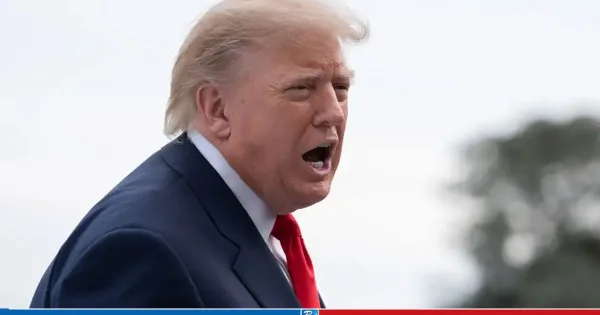
A single dollar bill posted as a bond stands between the White House and an unconstitutional press ban affecting 78 credentialed journalists. That is the concrete price set by a federal judge on Tuesday to preserve the constitutional rights of reporters while their lawsuit against the Trump administration proceeds.
The immediate fallout for newsrooms and travel pools
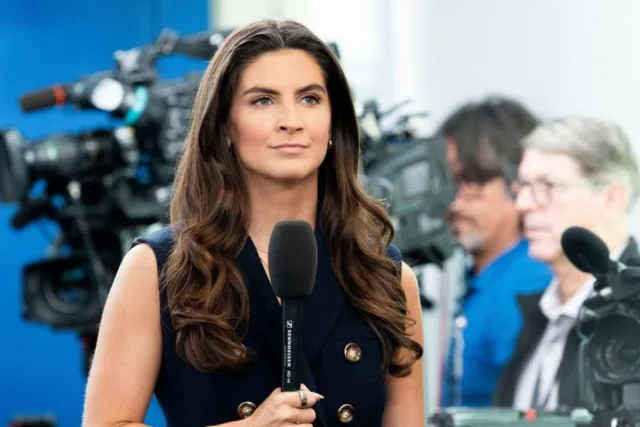
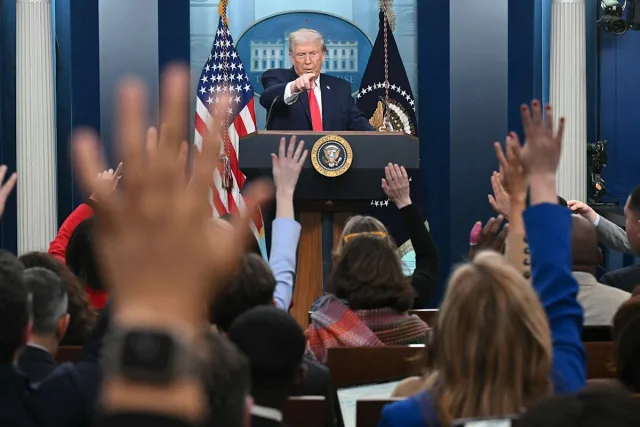
U.S. District Judge Timothy Kelly issued a 26-page decision granting a preliminary injunction that keeps the White House open to reporters from CNN, MS NOW, and Politico. The order blocks the administration from enforcing the September 18, 2026, ban announced by President Donald Trump on social media. Within a day, journalists from the three outlets who arrived at the White House grounds were turned away by the U.S. Secret Service, and their hard passes — credentials earned through rigorous security screening — were stripped away.
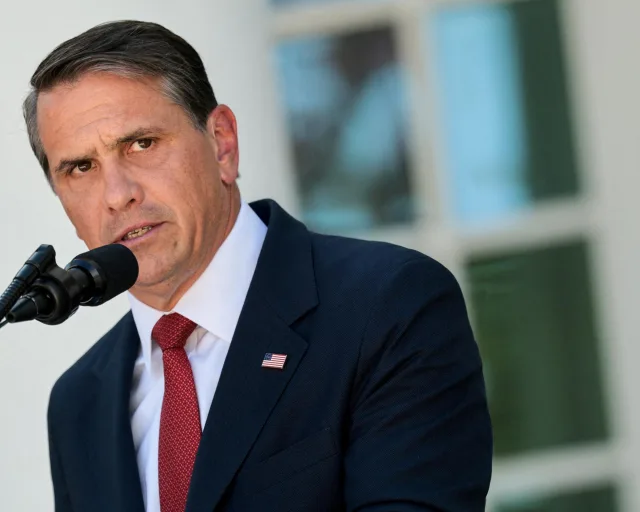
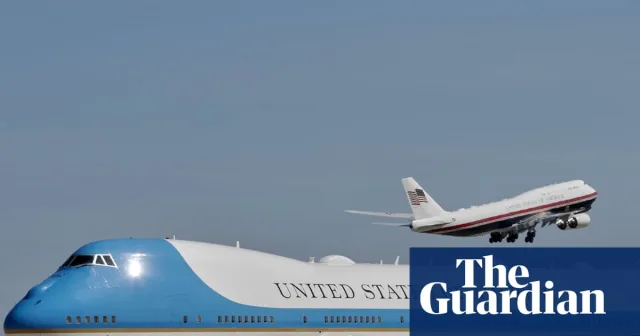
Yet the court's relief comes with distinct geographic boundaries that leave working journalists scrambling. While the preliminary injunction restores access to the White House complex, it does not compel the administration to permit reporters from CNN and Politico inside the Oval Office or aboard Air Force One. Justice Department lawyer Michael Velchik defended those exclusions during court arguments by calling the White House a sacred place
that is under no obligation to admit visitors merely because they identify as a reporter.
Meanwhile, the fallout has triggered wider federal scrutiny: the Justice Department revealed that it is investigating five major television networks, including CNN and NBC, for potentially violating antitrust laws after those networks temporarily declined to provide pool coverage of the president in solidarity with the banned outlets.
For readers and voters trying to track the administration, the practical effect is a fractured press corps where routine access is legally mandated at the gates yet actively restricted in tight spaces. The affected newsrooms span a significant portion of the Washington press apparatus:
- Seventy-eight journalists holding hard passes across CNN, MS NOW, and Politico.
- Reporters who rely on rotating pool duties to record and distribute presidential activities to other outlets.
- Audiences dependent on independent reporting from the White House grounds.
- News organizations facing separate federal antitrust investigations over solidarity pool coverage.
How the administration’s shifting justifications unraveled in court
The path to Tuesday's injunction exposes a stark disconnect between public presidential statements and government legal filings. When Trump initially announced the ban, he pointed exclusively to critical coverage and editorial disagreement. Days later, after the targeted news organizations filed suit on September 21, 2026, the administration pivoted to argue that the revocation was necessary to address national security threats and uphold standards of professionalism.
The White House sent retroactive letters listing articles it claimed spread falsehoods and threatened national security. Yet Judge Kelly dismantled that defense in his ruling, noting that the flagged pieces were largely written by reporters who do not hold White House hard passes. One cited story published by Politico in June originated from a press call organized by the White House itself, where participants were explicitly instructed to attribute quotes to a senior administration official. Judge Kelly wrote that there is practically nothing national security-related in the record connected to the President’s decision to revoke Plaintiffs’ hard passes to which the Court can defer.
When the President issued his 'ban on the free press,' he blatantly and explicitly violated due process and the First Amendment. Since then, the President has repeatedly, candidly, and consistently admitted in public that he banned our clients from the White House to punish reporting he doesn’t like and to try to force journalists to cover him in ways he prefers.
Theodore J. Boutrous, Attorney for CNN, MS NOW, and Politico, via statement
The court pointed out that the administration also violated established due process precedents by cutting off access first and offering notice afterward, giving outlets a September 25, 2026, deadline to respond to allegations that had already been executed by the Secret Service. Trump had telegraphed the legal battle in advance, posting on Truth Social that any adverse ruling from Kelly would prompt an immediate appeal by the Justice Department.
What remains unresolved in the shadow of appellate precedent
The broader constitutional question hinges on whether an administration can penalize media organizations for editorial viewpoints. Judge Kelly ruled that Trump’s remarks, including a recent interview with Time magazine where the president complained about bad story after bad story
, amounted to a clear effort to deter reporters of ordinary firmness from covering him critically. Kelly noted that President Trump likely banned Plaintiffs from the White House because he believes that their reporting is generally inaccurate and biased against him.
At the same time, the judge explicitly stated that his ruling does not imply that Trump’s grievances regarding media accuracy are unfounded, nor does it strip the government of its power to protect genuine state secrets.
This litigation echoes previous clashes over presidential press credentials, such as the legal battle involving the Associated Press after it declined to adopt the administration's mandated nomenclature for the Gulf of Mexico. In that case, a federal appeals court permitted Trump to restrict AP access to the Oval Office and Air Force One. Because the D.C. Circuit Court of Appeals binds the lower district court, Judge Kelly rejected the Justice Department's assertions that prior circuit rulings protecting reporter due process were wrongly decided.
The preliminary injunction secures press credentials for CNN, MS NOW, and Politico for the duration of a lawsuit that could stretch for months. Theodore J. Boutrous and his legal team have established that viewpoint discrimination cannot masquerade as administrative revocation, setting up a high-stakes appellate showdown over the boundaries of executive authority.