Melania Trump calls for enduring Ukraine truce as rivals meet at White H…
Melania Trump hosted a historic meeting at the White House between Russian and Ukrainian officials to build on a successful six-day humanitarian truce in Oleshky.
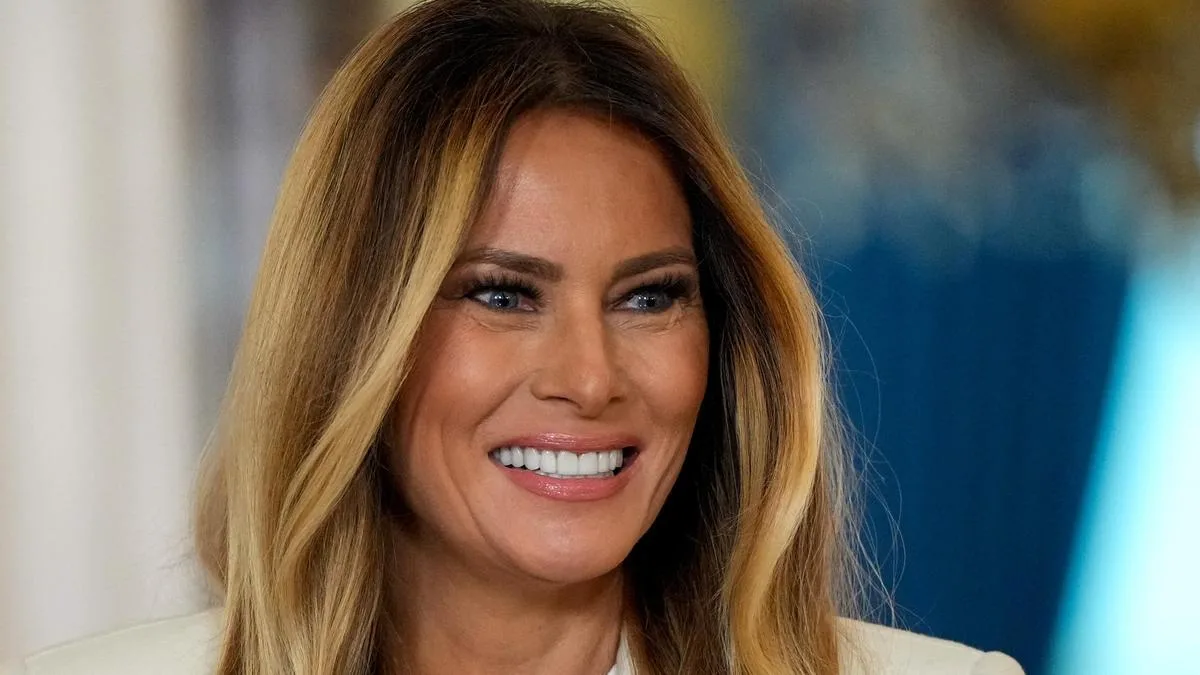
We have chosen humanity over war. Undeniably, the lives of innocent people must transcend the division of war.
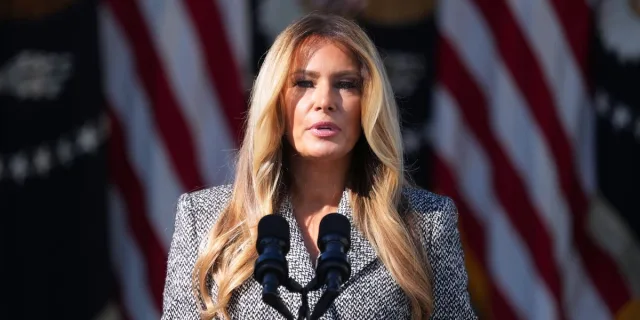
That message from U.S. First Lady Melania Trump set the tone on Thursday, November 5, 2026, as she hosted a historic meeting at the White House between representatives of Russia and Ukraine. The gathering, described by the White House as the first instance of a First Lady personally bringing warring parties to the White House for diplomacy, aimed to secure a lasting peace following a successful, localized ceasefire in the Russian-occupied Ukrainian city of Oleshky.
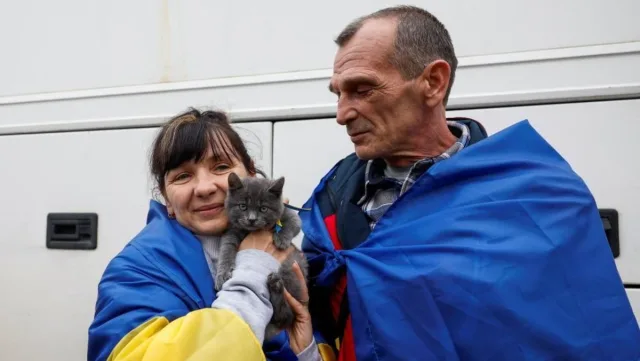
The event brought together Russian presidential envoy Kirill Dmitriev and human rights commissioner Yana Lantratova alongside Ukrainian parliamentarian David Arakhamia and human rights ombudsman Dmytro Lubinets. The officials marked the conclusion of a six-day humanitarian truce that expired last Sunday. That operation allowed aid convoys to reach the starvation-hit city and facilitated the evacuation of residents who had faced severe shortages of food, water, and medical supplies under the occupation.
Mrs. Trump, who has played an increasingly public role as an intermediary, revealed she was involved in every stage of planning for the Oleshky mission, including the review of aerial photography and the assessment of de-mining routes and hospital access. Now we must use the courage we brought to Oleshky to find common ground through a shared concern for the suffering of innocent people,
she told attendees. Together, we can create something more enduring than a temporary ceasefire.
Diplomatic Milestones and Humanitarian Gains
The White House meeting shows the shifting dynamics of the conflict ahead of trilateral talks scheduled for November 10-11 in Abu Dhabi. While officials from the United States, Russia, and Ukraine prepare for those discussions, the atmosphere in Washington remained tense but cooperative regarding the specific humanitarian mission at hand.
During the ceremony, the Ukrainian delegation presented the First Lady with the Order of Princess Olga, First Class, a national honor bestowed by President Volodymyr Zelenskyy for her humanitarian work. Your mission is above politics,
said David Arakhamia, the leader of Zelenskyy’s ruling parliamentary faction. Both Arakhamia and ombudsman Dmytro Lubinets encouraged the First Lady to continue seeking new humanitarian missions, presenting her with a state honor for her role in facilitating the evacuation and the return of children separated from their families.
Russian envoy Kirill Dmitriev expressed gratitude on behalf of President Vladimir Putin, citing the mission as evidence of what can be achieved through cooperation. He also presented Mrs. Trump with a drawing from a young girl whose family had evacuated Oleshky and chosen to move to Russia. Dmitriev remarked that Putin admires
the peacekeeping efforts of U.S. President Donald Trump. In a gesture aimed at continuing the dialogue, the First Lady provided Dmitriev and Arakhamia with personal letters addressed to Putin and Zelenskyy.
- February 2022: Russia launches full-scale invasion of Ukraine.
- October 27, 2026: Melania Trump announces a localized six-day ceasefire in Oleshky.
- November 1, 2026: The Oleshky ceasefire expires.
- November 5, 2026: First Lady hosts Russian and Ukrainian officials at the White House.
- November 10-11, 2026: Scheduled trilateral talks in Abu Dhabi.
- November 18-19, 2026: Planned summit between Putin, Trump, and Xi Jinping in Shenzhen, China.
Political Stakes in Washington and Beyond
The meeting occurred just two days after U.S. midterm elections resulted in Democrats winning control of Congress from Republicans, a transition that will begin in January 2027. This shift in power introduces uncertainty regarding the longevity of current administration policies, particularly as the incoming Democratic majority is expected to press for increased aid to Ukraine and closer scrutiny of the administration’s existing deals with Moscow, such as a prior agreement regarding diesel fuel.
Despite the diplomatic efforts in Washington, the conflict remains volatile. On the day after the Oleshky ceasefire expired, a Russian bombing of an aid distribution point in Komyshuvakha resulted in at least 40 deaths, according to Ukrainian President Zelenskyy. Furthermore, while the Ukrainian delegation actively requested more Oleshky-style humanitarian missions, the Kremlin has publicly ruled out such operations for the foreseeable future.
The Kremlin's current stance, as expressed through the envoy’s public remarks, centers on long-term summits rather than incremental humanitarian pauses. Russian officials have indicated they are finalizing preparations for a meeting between Putin, President Trump, and Chinese President Xi Jinping during the upcoming Asia-Pacific Economic Cooperation summit in Shenzhen. For the White House, the focus remains on leveraging the First Lady's personal channel to maintain a foothold in the peace process, even as President Trump faces growing political pressure at home and intermittent progress in his broader goal to end the war.
The Ukrainian government, while grateful for the immediate results of the Oleshky mission, remains the most vocal party regarding the limitations of the current framework. During the event, while Russian officials focused on commemorative gestures, the Ukrainian delegation specifically urged the First Lady to pursue further de-escalation, reflecting their broader strategy to keep the humanitarian focus alive while navigating the risk of a potential U.S. policy shift away from Kyiv. The Kremlin has remained silent on the prospect of extending the humanitarian corridors, prioritizing instead the larger diplomatic tracks leading into the Shenzhen summit.