Trump says he would love to see a unified Ireland during Dublin visit
During a visit to Dublin, U.S. President Donald Trump expressed support for a unified Ireland, breaking with decades of neutrality and drawing criticism.
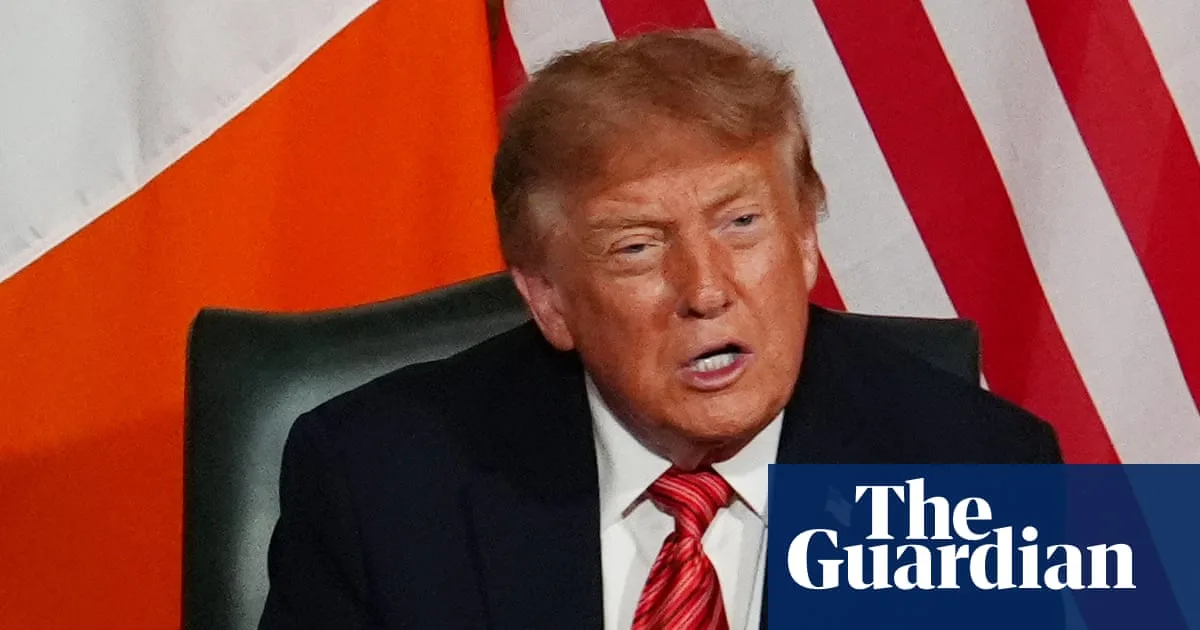
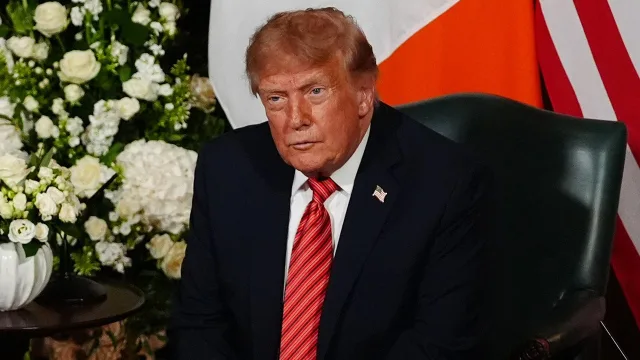
U.S. President Donald Trump stirred controversy during a visit to Dublin on September 12, 2026, by expressing support for the unification of Northern Ireland and the Republic of Ireland. The remarks, made during a press conference with Irish Taoiseach Micheál Martin, broke with decades of U.S. policy that has avoided taking sides on the issue, which remains a deeply sensitive topic in British and Irish politics.
Trump’s Unprecedented Remarks on Irish Unification
Speaking at a joint press conference with Martin, Trump said he would “love to see” a united Ireland and suggested the process “may as well happen now.” He added, “It’s going to happen eventually,” framing unification as a “fantastic” and “cool” outcome. The comments were made as part of a two-day visit to Ireland, which included a meeting with Irish President Catherine Connolly and a planned appearance at his Trump International Golf Links in Doonbeg, County Clare, where the Irish Open is being held.
Trump’s remarks directly challenged the UK’s stance on the issue. A Downing Street spokesperson reiterated that the UK government believes there is “not the required support for unification to trigger a referendum,” as outlined in the 1998 Good Friday Agreement. The president’s comments also drew sharp criticism from Northern Ireland’s unionist leaders, who stressed that the region’s constitutional status must be determined by its voters.
“Northern Ireland is part of the United Kingdom because that is the settled democratic will of its people,” said Gavin Robinson, leader of the Democratic Unionist Party. “As unionists, we are not interested in the destruction of our country by joining with the Irish Republic.”
Reactions from UK and Northern Ireland Leaders
The UK government and unionist parties condemned Trump’s remarks as inflammatory and out of step with the delicate political balance in Northern Ireland. Conservative MP Kemi Badenoch called the comments “deeply unhelpful” and compared them to Trump’s previous controversial statements about Greenland and Canada. Sinn Féin, a nationalist party in Northern Ireland, welcomed the remarks but warned against relying on U.S. political figures to resolve the issue.
Irish President Connolly, who met Trump privately at Áras an Uachtaráin, later issued a statement emphasizing the importance of the United Nations and criticizing Trump’s approach to global conflicts. Her meeting with the U.S. president followed her previous public criticism of his policies in Gaza and Iran, though the two reportedly discussed topics such as energy and water during their closed-door talks.
Trump’s comments also drew mixed reactions within Ireland. While some residents expressed frustration over the disruption caused by his visit, others highlighted the economic benefits of his golf course in Doonbeg, which employs hundreds of locals. Eric Trump, the president’s son, defended his father’s popularity in Ireland, stating that the region “loves” the Trump family despite planned protests.
Context of U.S. Neutrality and Trump’s Unconventional Stance
The U.S. has traditionally maintained a neutral position on Irish unification, avoiding direct involvement in what it has termed a “British issue.” Previous administrations, including those of Barack Obama and George W. Bush, have emphasized respect for the Good Friday Agreement and the principle of self-determination for Northern Ireland’s people. Trump’s remarks, however, reflected his tendency to make off-the-cuff, high-profile statements on complex geopolitical issues.
During his visit, Trump also addressed other topics, including U.S.-Ireland trade relations. He cited Ireland as the “sixth largest source of foreign direct investment in the United States,” citing $392 billion in investments in 2025. He also reiterated his claim that his presidency had prevented Iran from obtaining a nuclear weapon, a statement that drew skepticism from European allies.
| Detail | Information |
|---|---|
| U.S. Foreign Direct Investment from Ireland (2025) | $392 billion |
| Trump’s Planned Return to Ireland | 2027 Ryder Cup in Limerick |
| Date of Trump’s Dublin Visit | September 12, 2026 |
Next Steps and Unresolved Questions
Trump’s comments have reignited debates about the future of Northern Ireland’s status, though no immediate policy shifts are expected. The UK government has reiterated its commitment to the Good Friday Agreement, while Irish nationalist groups have called for greater U.S. engagement on the issue. Meanwhile, the impact of Trump’s remarks on transatlantic relations remains uncertain, particularly as the U.S. approaches the 2026 midterm elections.
The president’s visit to Ireland, focused largely on golf and business, has also raised questions about the role of private interests in diplomacy. Trump’s ownership of the Doonbeg golf course, which hosted the Irish Open, has drawn scrutiny, with critics arguing that his personal ventures may influence his official duties.
Frequently Asked Questions
What did Donald Trump say about a unified Ireland?
Trump stated he would “love to see” a united Ireland and predicted it “may as well happen now,” calling the idea “fantastic” and “cool.” He emphasized that the UK would have a say but framed unification as an inevitable and positive outcome.
How did UK and Northern Ireland leaders respond?
UK officials and Northern Ireland’s unionist leaders rejected Trump’s remarks, stressing that the region’s constitutional future must be decided by its people. They warned against external interference and reaffirmed support for the Good Friday Agreement.
What is the U.S. position on Irish unification?
The U.S. has historically maintained neutrality, avoiding direct involvement in the issue. Trump’s comments marked an exception, reflecting his tendency to make high-profile, unscripted statements on complex geopolitical topics.
As the fallout from Trump’s remarks continues, the next critical test will be how Irish and British officials navigate the political fallout while maintaining stability in Northern Ireland. Meanwhile, the president’s focus on golf and business during his visit underscores the intersection of personal interests and diplomatic engagement in modern politics.
Dateline Wire is dedicated to independent, evidence-backed reporting. This briefing was synthesized from primary source reporting, corroborated across independent newsrooms, and verified against our Editorial Standards.