Mitch McConnell returns to Senate after three-month medical absence
Senate Republican leader Mitch McConnell has returned to the Capitol after a three-month absence caused by a fall and hospitalization. His return comes amid criticism over health transparency and legislative stagnation.
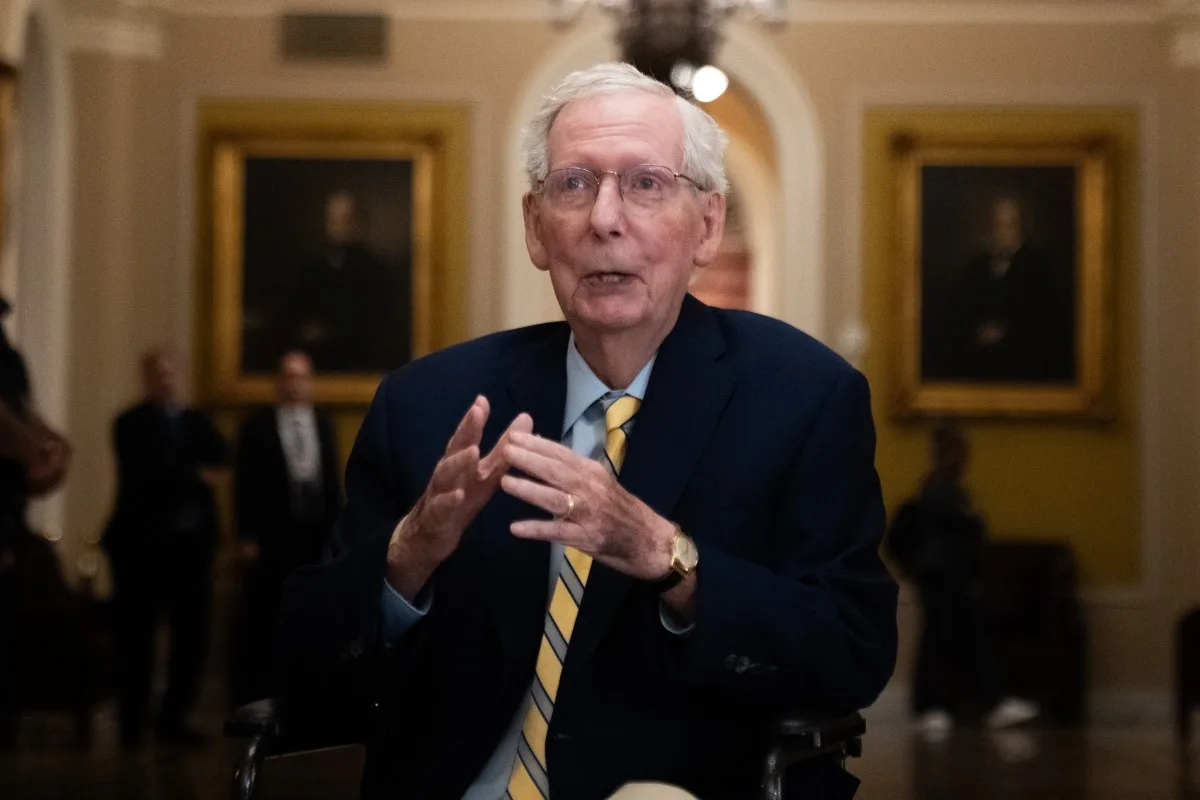
Mitch McConnell returned to the Senate on Monday for the first time since June, ending a 94-day absence that began after a fall left him hospitalized and briefly unconscious. The 84-year-old Kentucky Republican, seen in a wheelchair during his return, cast his first vote in nearly three months, signaling his intent to participate in key legislative decisions despite ongoing health challenges.
McConnell’s return comes amid heightened scrutiny over his ability to serve, with his office acknowledging he is “still not quite back to 100%” and continuing physical therapy. His absence, which coincided with a period of rising costs for Kentucky constituents, drew criticism from Democratic Governor Andy Beshear, who had previously called for transparency about the senator’s health. Beshear’s demands for proof of McConnell’s fitness for office intensified after the senator’s prolonged silence and lack of public updates during his recovery.
Health History and Recovery Timeline
McConnell’s medical absence began on June 14, when he fell at his Washington, D.C., home and was hospitalized after briefly losing consciousness. He later developed a mild case of pneumonia and spent weeks in rehabilitation before being discharged on August 6. During his recovery, his office provided limited information, fueling speculation about his condition. In July, McConnell confirmed he had not suffered fractures, concussions, or major health issues but acknowledged the lingering effects of childhood polio, which have complicated his recovery.
The senator’s return follows a series of health incidents in recent years, including a 2023 concussion, a 2024 wrist injury, and a 2023 episode where he froze during a news conference, staring vacantly for nearly 30 seconds. His office has attributed these challenges to the long-term impacts of polio, which he contracted as a child.
Political Reactions and Legislative Implications
McConnell’s absence disrupted Senate operations, as he missed over 60 roll-call votes, including procedural steps for the stalled farm bill. His return is expected to bolster Republican efforts to advance legislation, particularly on agriculture and cryptocurrency policy. The senator, who will retire in January after four decades in office, assured Senate Majority Leader John Thune that he would “do my best to be present for tough votes when our Conference needs me.”
Kentucky Governor Andy Beshear, a Democrat, reiterated his calls for transparency, stating in July that McConnell had “heard absolutely nothing back” in response to his requests for updates. Beshear’s office later released a letter urging the senator to “fully update Kentuckians regarding the current status of [his] health.” McConnell’s office has not addressed these demands directly, though it has emphasized his ongoing engagement with Senate business.
The Republican majority, now at 53-47, faces pressure to capitalize on McConnell’s return as the Senate reconvenes after a five-week summer recess. His presence could influence debates on key priorities, including the farm bill and regulatory measures for emerging industries.
Public Scrutiny and Age-Related Concerns
McConnell’s prolonged absence reignited debates about the physical demands of congressional service, particularly for older lawmakers. His return, marked by visible mobility challenges, has drawn attention to the intersection of age, health, and political leadership. The senator, the longest-serving Senate leader in history, has faced growing public and media scrutiny over his ability to maintain a regular schedule.
McConnell’s office has maintained that he remains committed to his role, stating he aims to “finish the job for this Congress.” However, the senator has not specified how frequently he will attend sessions, leaving questions about his long-term capacity to serve. His final term, set to end in January 2027, has become a focal point for both his allies and critics.
As McConnell resumes his role in the Senate, the focus will remain on whether he can sustain a consistent presence for the remainder of his term. His return underscores the complex balance between health concerns and the demands of congressional service, while also highlighting the broader implications for the Republican Party’s legislative agenda and the 2026 midterm elections.
Timeline of Key Events
- June 14: McConnell hospitalized after falling at home; briefly unconscious, later treated for mild pneumonia.
- July 12: McConnell confirms fall and pneumonia but denies fractures, concussions, or major health issues.
- August 6: McConnell discharged from rehabilitation facility, continues physical therapy at home.
- September 14: McConnell returns to Senate for first vote since June; announces intent to participate in critical votes.
Votes Missed
- Over 60 roll-call votes during absence, including procedural steps for the stalled farm bill.
Salary During Absence
- Approximately $44,811 earned during 94-day absence; annual salary of $174,000 remains unchanged.
Dateline Wire is dedicated to independent, evidence-backed reporting. This briefing was synthesized from primary source reporting, corroborated across independent newsrooms, and verified against our Editorial Standards.