Trump blames Iran for Saudi pipeline attack as Iraq investigates origin
Regional tensions soar as Iraq confirms a drone strike on a critical Saudi oil pipeline originated from its territory, prompting border closures and accusations.
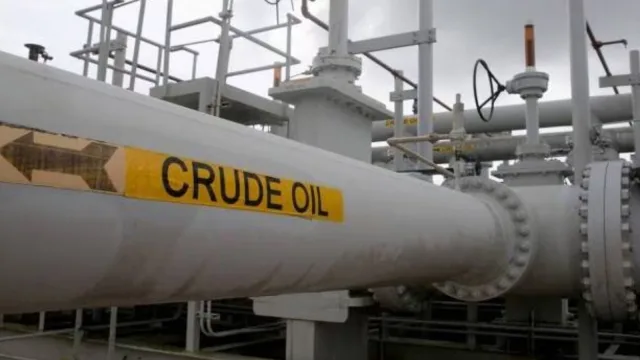
Saudi Arabia’s East-West oil pipeline, a vital conduit for global energy supplies, was temporarily shut after a drone attack attributed to Iraqi territory, sparking a web of regional accusations and diplomatic maneuvering. U.S. President Donald Trump directly blamed Iran for the assault, while Iraq pledged to investigate and close border crossings with Iran, deepening tensions in a volatile Middle East.
Trump Accuses Iran, Predicts Conflict End
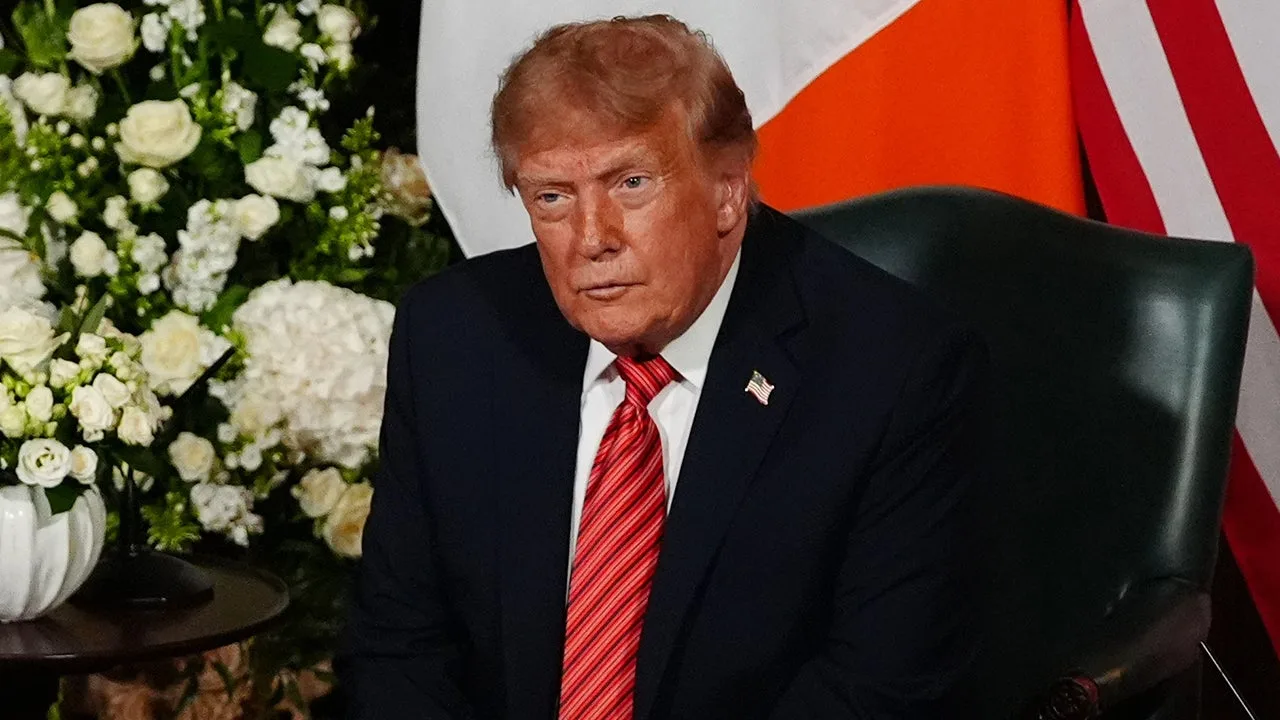
U.S. President Donald Trump asserted on September 12, 2026, that Iran was “probably” behind the drone attack on Saudi Arabia’s East-West pipeline, which forced the kingdom to halt operations. Speaking in Ireland, Trump framed the conflict with Iran as a matter of national security, claiming Tehran sought to “complicate the election” by prolonging hostilities. He reiterated his stance that Iran must not acquire a nuclear weapon, citing its proximity to such a capability earlier in the year.
Trump’s comments came amid broader predictions about the conflict’s trajectory. He suggested the war with Iran could end “very soon,” likely after the U.S. midterm elections, and speculated that oil prices might drop once hostilities ceased. However, his remarks were met with skepticism as regional instability escalated. The president also claimed the Houthis, Yemen’s Iran-backed rebels, had contacted his administration to avoid direct confrontation, though their recent advances in the Red Sea contradicted this narrative.
Iraq Investigates Attack Origin, Closes Borders
Iraq’s government confirmed the pipeline attack was launched from its territory, marking a significant shift in the investigation. Prime Minister Ali al-Zaidi ordered an inquiry into operations in Maysan province, where authorities identified a site used to launch drones targeting Saudi Arabia. The prime minister’s office dismissed the province’s military commander, signaling accountability for the incident.
In response, Iraq closed two key border crossings with Iran—Shalamcheh and Chazabeh—as a precautionary measure. Iranian state media reported the closures, which halted passenger and commercial traffic between the two nations. The move underscored growing mistrust between Baghdad and Tehran, despite Iraq’s earlier condemnation of the attack and its pledge to prevent its territory from being used for cross-border strikes.
Saudi Arabia, meanwhile, refrained from immediate retaliation, accepting Iraq’s request to investigate the attack. The kingdom’s Foreign Ministry stated it would not retaliate “to give the Iraqi government an opportunity to take the necessary measures.” However, it reserved the right to act if future attacks occurred, emphasizing its commitment to protecting critical infrastructure.
Houthi Advances Threaten Red Sea Trade
The pipeline attack coincided with escalating tensions in Yemen, where Houthi forces seized Perim Island, a strategic location near the Bab el-Mandeb Strait. This vital waterway connects the Red Sea to the Gulf of Aden and serves as a major route for global shipping. The Houthis’ capture of the island, along with the port city of Mocha, raised concerns about disruptions to oil flows and increased leverage for Iran, which backs the rebels.
Saudi Arabia has relied on the East-West pipeline to bypass the Strait of Hormuz, which has been blocked by U.S.-Iran hostilities. However, the pipeline’s vulnerability to drone attacks highlights the fragility of overland energy infrastructure. Analysts noted that the Houthis’ advances could further complicate efforts to stabilize global energy markets, with oil prices surging above $100 per barrel amid the turmoil.
The Houthis claimed responsibility for the pipeline attack in a statement, though the assertion was not independently verified. They also vowed to continue targeting Saudi interests “until the aggression stops,” while Saudi forces launched counterattacks against Houthi positions. The conflict’s escalation has drawn international attention, with the U.S. providing intelligence and targeting support to Saudi Arabia without direct military intervention.
Oil Market Volatility and Geopolitical Risks
The East-West pipeline, spanning 1,200 kilometers (745 miles), had been transporting 4-5 million barrels of crude oil per day, a significant share of global supplies. Its temporary shutdown, combined with Houthi control of Red Sea routes, has heightened fears of energy shortages and inflationary pressures. The International Energy Agency warned that Saudi crude supplies had fallen to their lowest level in over three decades, exacerbating the crisis.
Iran’s recent agreement with Oman to secure navigation rights through the Strait of Hormuz added another layer of complexity. While the deal does not immediately reopen the strait, it signals Tehran’s efforts to consolidate influence amid U.S.-Iran tensions. Meanwhile, the U.S. State Department reiterated its commitment to resolving the Lebanon-Israel border dispute, though talks remain stalled.
The conflict’s ripple effects extended beyond the Middle East. Greenpeace Germany reported a growing oil spill in the Gulf of Oman, linked to U.S. military strikes on tankers, which threatens marine ecosystems. In the West Bank, Israeli forces opened fire on Palestinians, sparking international condemnation and highlighting the region’s ongoing instability.
| Detail | Information |
|---|---|
| Pipeline Length | 1,200 kilometers (745 miles) |
| Daily Oil Flow | 4-5 million barrels |
| Oil Price | Surged above $100 per barrel |
| Border Crossings Closed | Shalamcheh and Chazabeh |
| Displaced Yemeni Civilians | At least 46,000 |
Frequently Asked Questions
Who is responsible for the Saudi pipeline attack?
Iraq confirmed the attack originated from its territory, but no definitive evidence has been released. U.S. President Donald Trump accused Iran, while Houthi forces claimed responsibility in a statement. Investigations are ongoing.
How does the pipeline shutdown affect global oil markets?
The pipeline, which transported 4-5 million barrels per day, is a critical route for Saudi exports. Its closure, combined with Houthi advances in the Red Sea, has driven oil prices above $100 per barrel and raised fears of supply disruptions.
What are the next steps for regional stability?
Iraq is investigating the attack’s origin, while Saudi Arabia has paused retaliation to allow Iraqi efforts. The U.S. continues to support Saudi Arabia militarily, but direct action against the Houthis remains uncertain. The outcome of these investigations and diplomatic talks will shape the region’s trajectory.
The next critical developments will hinge on the results of Iraq’s investigation, the Houthi rebels’ control of Red Sea routes, and the broader U.S.-Iran conflict. As oil prices remain volatile and regional alliances shift, the potential for further escalation looms large, with global markets and security at stake.
Dateline Wire is dedicated to independent, evidence-backed reporting. This briefing was synthesized from primary source reporting, corroborated across independent newsrooms, and verified against our Editorial Standards.