Tourist plane crash in Peru kills 13 near Nazca Lines
A Cessna Grand Caravan operated by Aerodiana crashed near Peru's Nazca Lines, killing all 13 people on board. Authorities are investigating the cause.
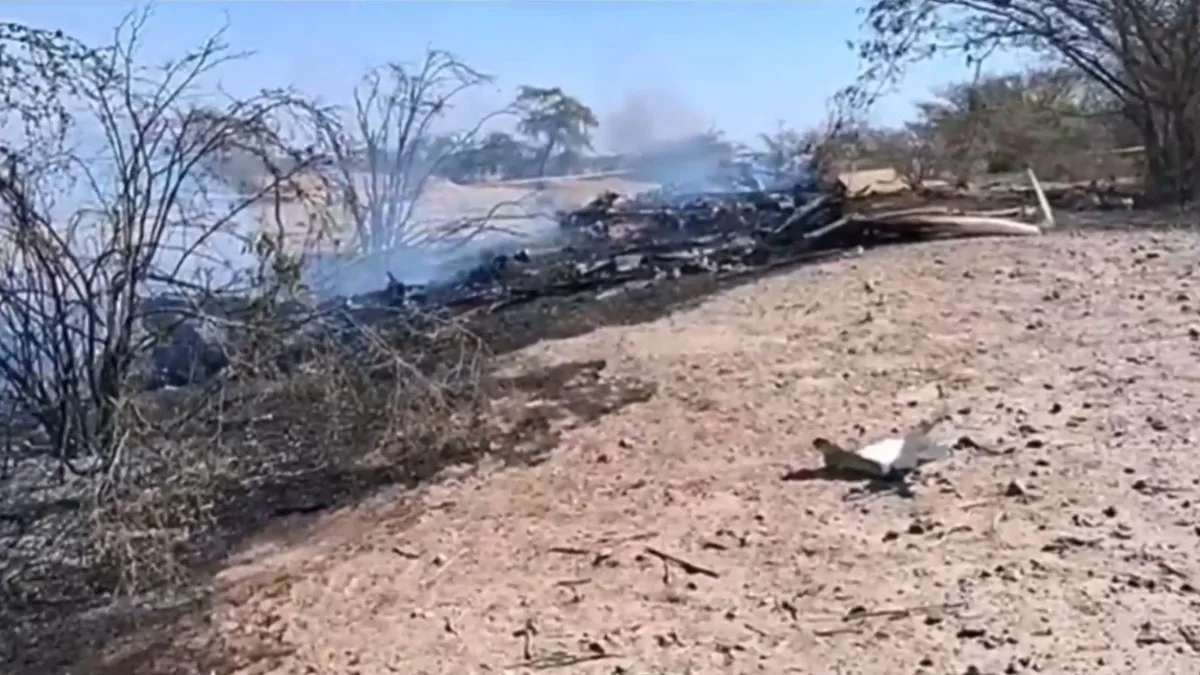
A tourist plane crash near Peru’s Nazca Lines on Saturday, August 2, killed all 13 people on board, including 11 tourists and two pilots, according to Peruvian authorities and local media. The aircraft, a Cessna Caravan C 208, was conducting a sightseeing flight over the UNESCO World Heritage Site when it crashed near the Pueblo Viejo area shortly after departing from Pisco Airport, the BBC reported. The victims included seven Italians, two Germans, and two Spaniards, as stated by Peru’s state news agency.
Peruvian police confirmed there were no survivors, with authorities recovering four bodies at the crash site. Video footage released by Reuters showed firefighters spraying water over the wreckage as smoke billowed from the scene. The Municipality of Nasca expressed deep sorrow over the tragedy, extending condolences to the families of those who lost their lives. Officials also confirmed the aircraft belonged to the local airline Aerodiana, which has specialized in sightseeing flights over the Nazca desert for 14 years.
Aerodiana stated it would review its flight operations in line with instructions from relevant authorities as the investigation proceeds. The cause of the crash remains undetermined, with officials focusing on potential factors such as mechanical failure, weather, or pilot error. Peru’s civil aviation authority has launched a formal inquiry, though no preliminary findings have been released.
The crash occurred in the Pueblo Viejo area, approximately six kilometers from the city of Nazca and 12 kilometers from the Nazca Lines. The site, a vast collection of giant ancient geoglyphs, is among Peru’s most visited tourist attractions, with thousands of visitors taking scenic flights annually to view the figures. The latest disaster adds to a history of fatal accidents involving sightseeing flights over the area, including a 2022 crash that killed seven people and a 2010 incident claiming six lives.
Recovery efforts faced challenges due to the fire, though authorities have not specified the extent of damage or the condition of the crash site. Local media reported the plane’s descent was uneventful until it lost contact with the control tower within minutes of takeoff, though details about the flight’s final moments remain unclear. The tragedy has reignited debates about safety standards for tourist aviation in Peru, despite improvements following a series of small-aircraft accidents in the 2000s.
Investigators are expected to examine the plane’s maintenance records, pilot credentials, and weather conditions at the time of the crash. Families of the victims and tourism officials await answers as the inquiry continues. The Nazca Lines, a symbol of Peru’s cultural heritage, remain a focal point for global travelers, but the latest disaster underscores the risks inherent in operating in desert conditions.
Dateline Wire is dedicated to independent, evidence-backed reporting. This briefing was synthesized from primary source reporting, corroborated across independent newsrooms, and verified against our Editorial Standards.