Luigi Mangione pleads guilty to federal charges in Brian Thompson killing
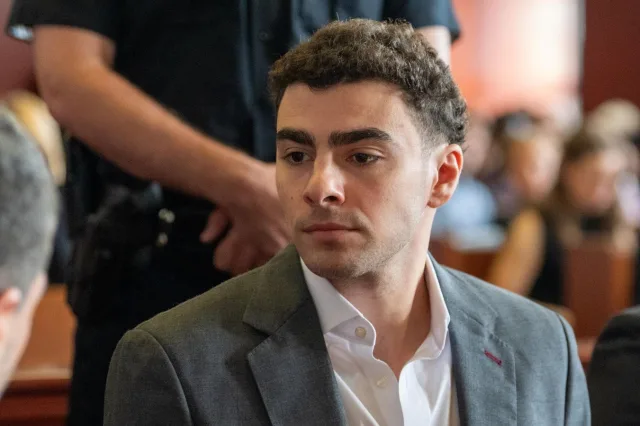
Luigi Mangione has pleaded guilty in federal court to charges stemming from the 2024 fatal shooting of UnitedHealthcare CEO Brian Thompson.
- Headline: Luigi Mangione pleads guilty to federal charges in Brian Thompson killing
- Dispatch Summary: Luigi Mangione has pleaded guilty in federal court to charges stemming from the 2024 fatal shooting of UnitedHealthcare CEO Brian Thompson.
- Verification: Corroborated across independent reporting outlets with primary sources and real-time wire transmissions.
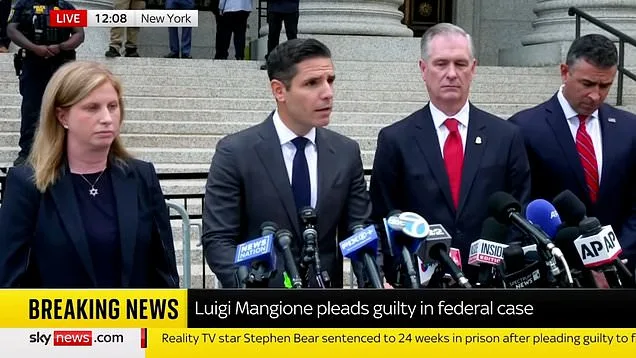
Luigi Mangione, 28, pleaded guilty in federal court to charges stemming from the 2024 shooting of UnitedHealthcare CEO Brian Thompson, marking a pivotal moment in a case that has drawn intense public and political scrutiny. The plea, entered on August 14, 2026, in Manhattan, resolved one of two legal battles against Mangione, who is also facing state murder charges. Federal prosecutors described the case as a stark example of violence driven by grievances, while Mangione’s defenders framed him as a figure challenging systemic inequities in the U.S. healthcare industry.
Mangione admitted to shooting Thompson, 50, outside a New York City hotel on December 4, 2024, as the executive walked to an investor conference. Surveillance footage captured the attack, with a masked gunman firing from behind. Authorities later found ammunition bearing the phrase “delay, deny, depose,” a reference to practices critics associate with insurance companies. Mangione, a University of Pennsylvania graduate from a wealthy Maryland family, was arrested five days later at a McDonald’s in Altoona, Pennsylvania, after traveling to New York with a 3-D-printed pistol.
In court, Mangione acknowledged his actions, stating, “I shot Mr. Thompson in Manhattan and he died.” He pleaded guilty to two federal charges: interstate stalking resulting in death and stalking through use of interstate facilities resulting in death. Both carry potential life sentences, though a federal judge earlier this year dismissed charges that could have led to the death penalty. The sentencing hearing is scheduled for December 18, 2026.
The guilty plea has intensified debates over the legal and ethical dimensions of the case. Mangione’s defense team has argued that the state murder trial, set to begin September 8, 2026, should be dismissed under New York’s double jeopardy laws, which prohibit prosecuting a defendant twice for the same offense. State prosecutors, however, maintain that the federal and state cases involve distinct charges and that the state trial should proceed. A judge in federal court noted that a state conviction could result in additional sentencing time.
Thompson’s family expressed mixed reactions to the plea. In a statement, they called it “an important step toward justice” but emphasized the need for a sentence “reflecting the severity of this crime.” UnitedHealth Group, Thompson’s employer, also issued a statement condemning the act and thanking law enforcement. Meanwhile, Mangione’s legal team highlighted his concerns about the U.S. healthcare system, with the defendant repeatedly referencing his grievances during the federal hearing.
The case has sparked global attention, with political figures across the spectrum condemning the violence. Yet Mangione has also garnered support from groups critical of the insurance industry. Proponents have raised over $1.5 million for his legal defense, according to a volunteer-run website. The federal judge’s decision to drop terrorism-related charges against Mangione earlier this year and the Trump administration’s earlier threat to seek the death penalty further underscore the case’s high-profile nature.
Mangione’s state trial remains uncertain, with legal battles over double jeopardy likely to shape its outcome. The case continues to reflect broader tensions over justice, accountability, and the intersection of ideology with criminal law. As the legal process unfolds, the fate of the state charges and the final sentencing in federal court will determine the next chapter in a case that has become a flashpoint for national discourse.
How significant is this wire dispatch?
Cast your anonymous vote to register reader consensus across journalism and intelligence sectors.
Dateline Wire is dedicated to independent, evidence-backed reporting. This briefing was synthesized from primary source reporting, corroborated across independent newsrooms, and verified against our Editorial Standards.