NY Governor appoints AG Letitia James to probe Cornell rape case failures
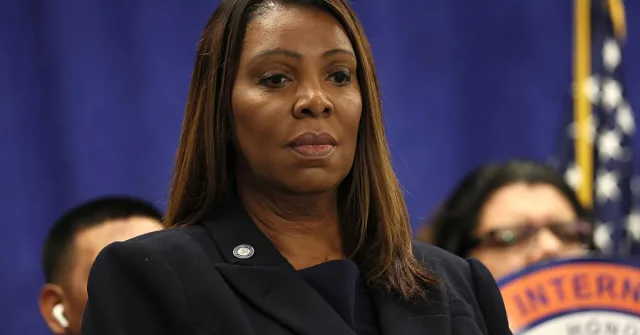
Governor Kathy Hochul has appointed Attorney General Letitia James to investigate a 2024 Cornell University rape case following allegations of systemic failures by local law enforcement and university officials.
- Headline: NY Governor appoints AG Letitia James to probe Cornell rape case failures
- Dispatch Summary: Governor Kathy Hochul has appointed Attorney General Letitia James to investigate a 2024 Cornell University rape case following allegations of systemic failures by local law enforcement and university officials.
- Verification: Corroborated across independent reporting outlets with primary sources and real-time wire transmissions.
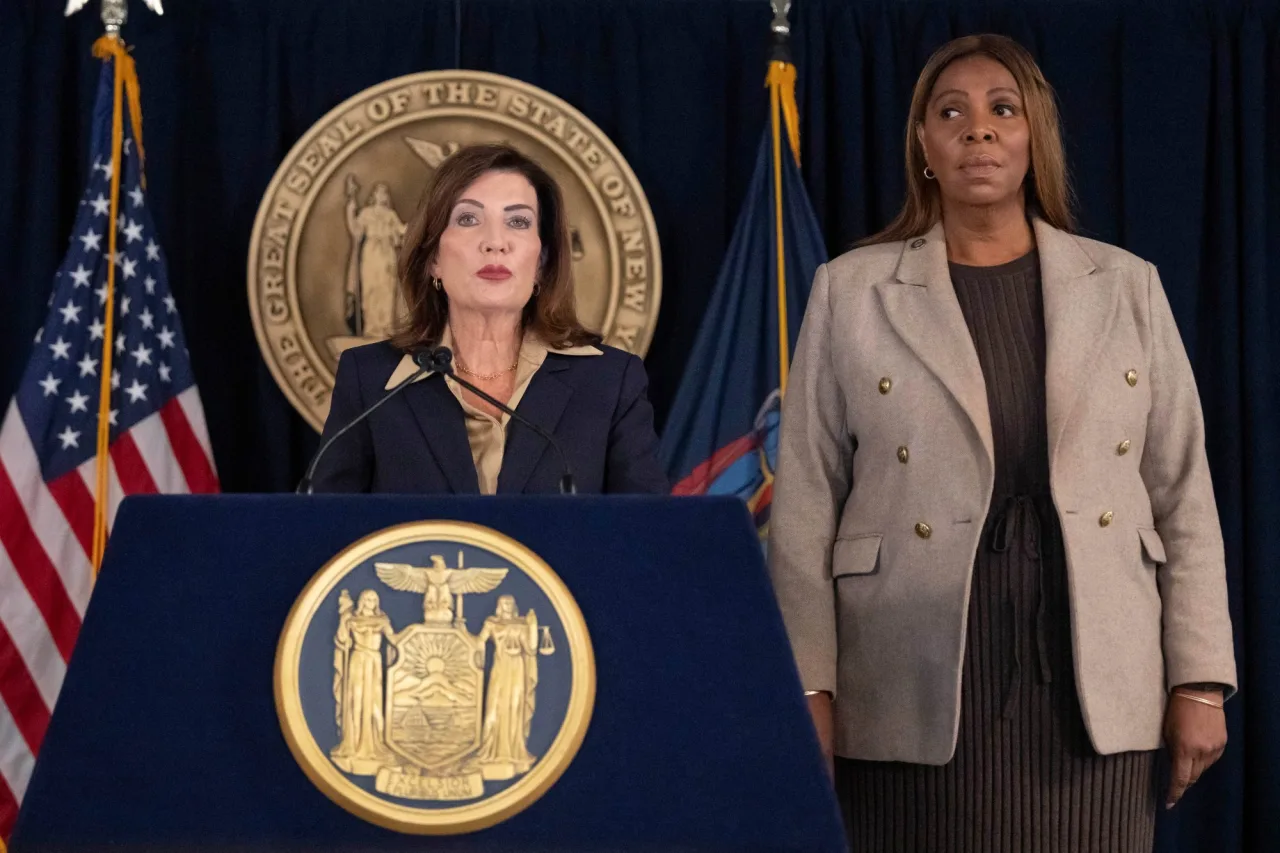
New York Governor Kathy Hochul has appointed Attorney General Letitia James as a special prosecutor to investigate the 2024 alleged gang rape of a Cornell University student, accusing local law enforcement and university officials of failing the victim at every stage. The move, announced on October 2, 2026, follows revelations that the Tompkins County District Attorney’s office had not interviewed the accuser or reviewed critical evidence, while Cornell Police allegedly omitted key details of her account from reports shared with prosecutors.
Governor Condemns Systemic Failures in Cornell Rape Case
Hochul described the handling of the case as a “deeply disturbing” failure, emphasizing that the victim—identified in court documents as Jane Doe—was “failed by people and institutions with an obligation to protect her.” The governor cited newly disclosed information suggesting that Cornell Police did not fully convey Doe’s allegations of being “100% confident she had been raped” to prosecutors, despite her detailed accounts of being drugged, intoxicated, and subjected to sexual acts while incapacitated.
“In what world does the police learn from a victim that she’d been literally gang-raped while intoxicated by five men in the fraternity house, and not elevate those allegations to the district attorney?” Hochul asked, criticizing the lack of direct interviews with the accuser or witnesses. She also accused the Tompkins County District Attorney’s office of failing to request the full transcript of Doe’s police interview, which included explicit claims of rape.
The governor’s executive order transferred oversight of the case to James, who will lead a “comprehensive investigation” to determine “who knew what when” and “how this woman was denied justice.” James, who has previously overseen high-profile cases including investigations into former Governor Andrew Cuomo, pledged to “lead a process guided by the facts and the law.”
Victim’s Account and Legal Challenges
Doe’s attorney, Thomas Giuffra, stated that his client “was not doing well” amid online harassment and misinformation, but emphasized that she “deserves to know that every fact will be examined.” Giuffra criticized the Tompkins County District Attorney’s office for its handling of the case, calling it a “cover-up” and expressing confidence in James’ ability to pursue justice.
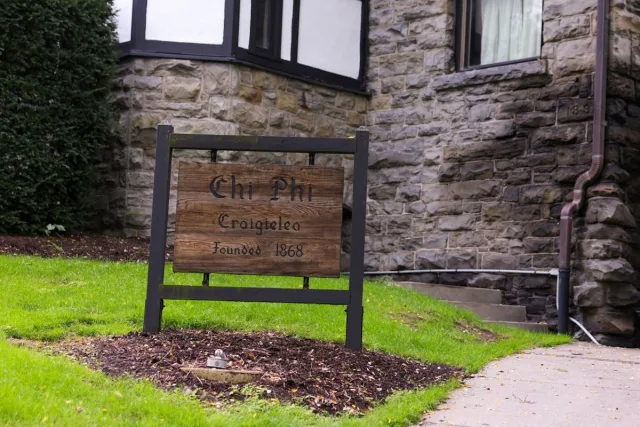
According to court documents and interviews, Doe alleged she was plied with drugs and alcohol at the Chi Phi fraternity house on October 19, 2024, and then subjected to sexual acts while “physically helpless.” A November 2024 transcript of her police interview, which was not initially shared with prosecutors, reportedly included her explicit statement: “I can say with 100% confidence I was raped.” However, the district attorney’s office claimed it had no evidence of non-consensual acts, relying on a sworn statement that described the encounter as “consensual” in parts.
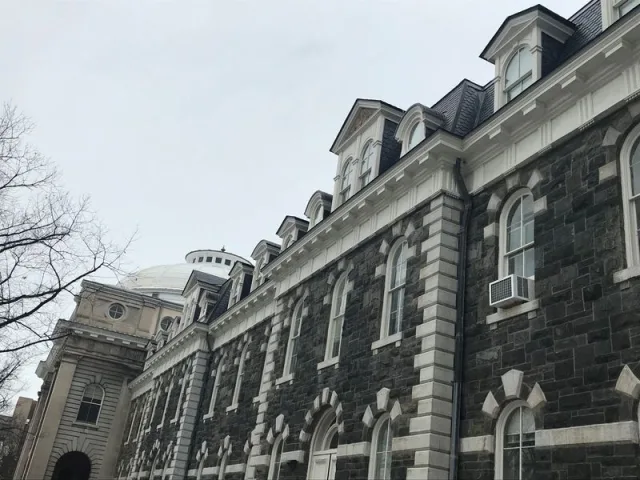
Cornell University’s internal investigation, which concluded in 2025, resulted in sanctions against multiple students, including expulsions and suspensions. However, the university has faced criticism for its delayed response and conflicting statements about what evidence was shared with prosecutors. A revised FAQ page on Cornell’s website now states that police provided the victim’s sworn statement and “other materials” to the district attorney’s office, a change from earlier claims that all investigatory information had been shared.
Legal Loopholes and Legislative Push
Hochul highlighted the need to close a legal loophole in New York’s sexual assault statutes, which she argued disproportionately harms survivors who voluntarily consume alcohol or drugs. “Voluntary intoxication is not a license for sexual assault or gang rape, period,” she said, vowing to work with lawmakers to amend the law. Current statutes require proof of force or explicit refusal, unless the victim is unconscious or drugged without consent.
Advocates for survivors, including the Rape, Abuse & Incest National Network (RAINN), have long criticized such laws, noting that trauma can impair memory and consent. Calls to RAINN’s hotline increased by 80% following the case’s resurgence, with experts like Sandi Johnson of RAINN explaining that “trauma impedes the ability of the brain to even record some of what is happening.”
The case has reignited debates over campus sexual assault policies, with Cornell students organizing protests and demanding transparency. A student-led forum in October featured calls for reforms to orientation programs, increased counseling services, and stricter accountability for fraternities. “If it’s happening at Cornell, it’s happening on college campuses all across the country,” said Hayden Watkins, a Cornell student and executive vice president of the Student Assembly.
University and District Attorney Response
Tompkins County District Attorney Matthew Van Houten, who was removed from the case, stated he supports James’ investigation and has “no confidence” in his office’s initial handling of the allegations. He acknowledged that Cornell’s cooperation was incomplete, saying, “We were not provided the full picture.” Van Houten’s office had previously declined to file charges, citing a lack of evidence of non-consensual acts, but has since reopened the investigation following Doe’s civil lawsuit.
Cornell University issued a statement expressing support for the attorney general’s probe and committing to an “independent external review” of its handling of the case. However, the school has not directly addressed Hochul’s specific criticisms, including the omission of Doe’s explicit rape claim from police reports.
| Detail | Information |
|---|---|
| Incident Date | October 19, 2024 |
| Victim’s Alleged State | Intoxicated and incapacitated |
| Key Legal Issue | Voluntary intoxication loophole in New York’s sexual assault laws |
| Hotline Calls Increase | 80% rise following case resurgence |
| Cornell Sanctions | Sanctions against students, including expulsions and suspensions |
Frequently Asked Questions
What legal changes is Governor Hochul pushing for in New York?
Hochul is advocating for reforms to New York’s sexual assault laws to close a loophole that complicates prosecutions when victims voluntarily consume alcohol or drugs. She argues that voluntary intoxication should not excuse sexual assault, emphasizing that “voluntary intoxication is not a license for gang rape.”
What role will Attorney General Letitia James play in the case?
James has been appointed as a special prosecutor to lead an independent investigation into the Cornell case. Her office will review evidence, interview witnesses, and determine whether criminal charges should be filed. She has pledged to “lead a process guided by the facts and the law.”
The investigation’s outcome could set a precedent for how sexual assault cases are handled in New York, particularly on college campuses. With the state legislature not in session, Hochul has indicated she may call for a special session to advance legal reforms. Meanwhile, Cornell students and advocates continue to demand accountability, as the case underscores broader challenges in addressing sexual violence and institutional failures.
How significant is this wire dispatch?
Cast your anonymous vote to register reader consensus across journalism and intelligence sectors.
Dateline Wire is dedicated to independent, evidence-backed reporting. This briefing was synthesized from primary source reporting, corroborated across independent newsrooms, and verified against our Editorial Standards.