Russell Brand Trial Opens With Prosecutors Calling Him Sexual Predator
Russell Brand arrived at a London court as his rape and sexual assault trial began, facing charges involving six women between 1999 and 2009.
- Headline: Russell Brand Trial Opens With Prosecutors Calling Him Sexual Predator
- Dispatch Summary: Russell Brand arrived at a London court as his rape and sexual assault trial began, facing charges involving six women between 1999 and 2009.
- Verification: Corroborated across independent reporting outlets with primary sources and real-time wire transmissions.
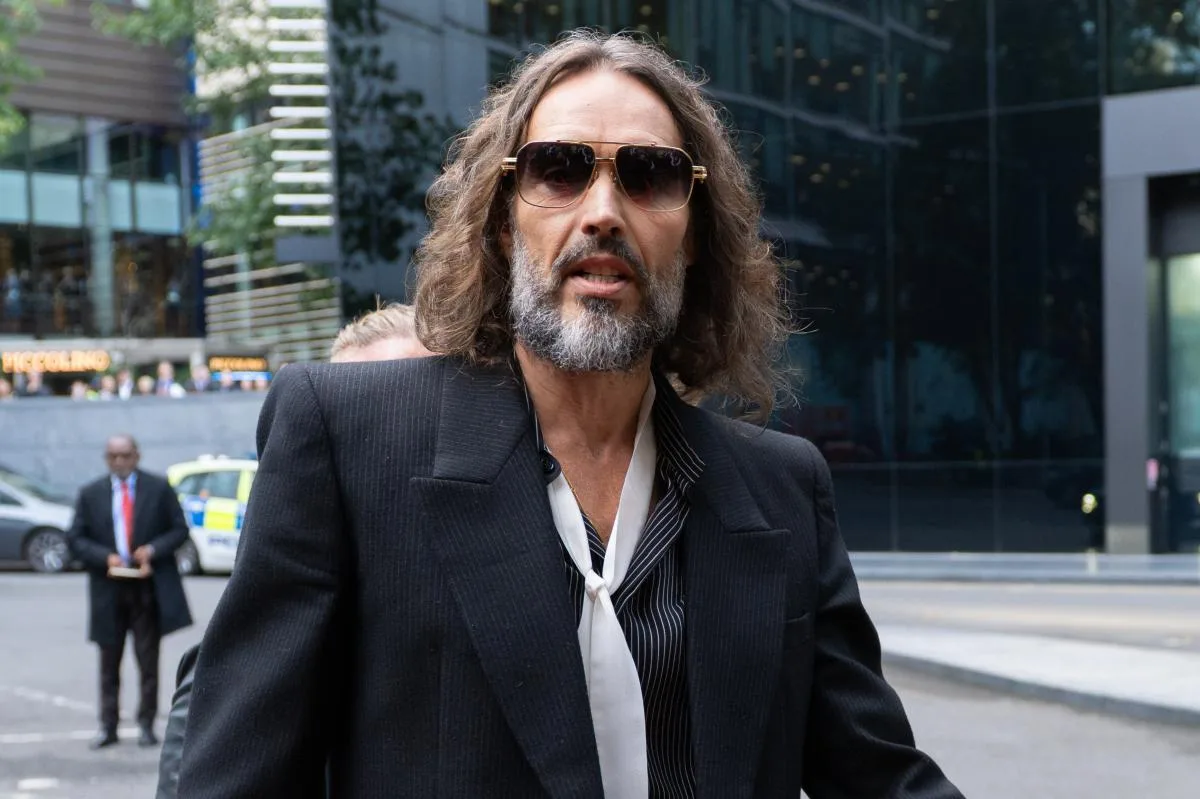
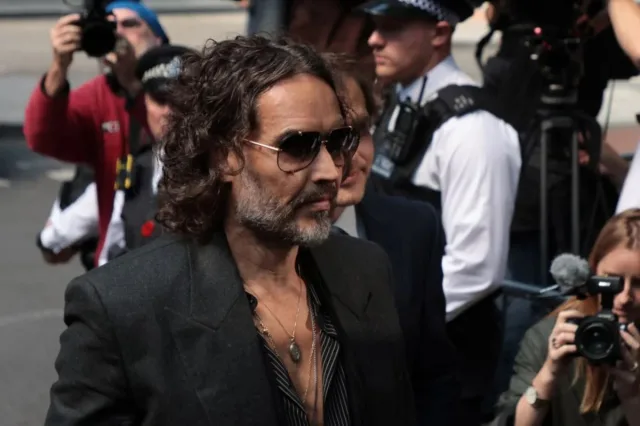
Six women walked into courtrooms and police stations independently of one another, united only by memories of encounters spanning a decade when Russell Brand’s career was rising from local comedy clubs to international film sets. As his rape trial opened at Southwark Crown Court in London, the actor and podcaster arrived wearing sunglasses, holding hands with his wife of nine years, Laura Gallacher, and passing through a tight security cordon of police officers and a private guard while office workers and tourists watched from across the street.
That scene marks the beginning of a trial expected to last up to ten weeks, placing a former Hollywood star in the dock to face accusations that span nearly thirty years of his life.
What Charges Does Russell Brand Face and When Did the Alleged Incidents Occur?
The 51-year-old comedian faces
- three counts of rape
- three counts of sexual assault
- one count of indecent assault
The locations of the alleged attacks are as wide and varied as his career during those years. According to the prosecution, the incidents occurred at a former home of Brand, a hotel room in Bournemouth, workplaces including a radio station studio and an MTV office on Oxford Street where he allegedly tried to drag an employee into a toilet, and inside a toilet cubicle in a bar in London's Soho district.
Brand has always vehemently denied the allegations, maintaining that all of his sexual encounters were consensual and pleading not guilty to all charges. As he arrived at court on Wednesday, he told reporters, I feel blessed,
before adding, I feel of course concerned, but hopeful that this process will lead to good outcomes for everybody – that is my prayer.
How Have Prosecutors Framed the Case Against the Comedian?
The prosecution outlined a pattern of behavior characterized by an indiscriminate and voracious desire for sexual contact that was pursued regardless of the wishes or protests of the women involved. Karmy-Jones told the court that Brand bragged to an ex-pal in 1999 that he was a ladies' man, womanizer, and expert pick-up artist who wanted to bed 5,000 women in his lifetime, setting out rules to achieve that goal.
Another former acquaintance described Brand as rampant in his desire to have sex, while a friend told the court that women and sex were a goal and an obsession. Prosecutors told jurors that Brand could be nice, funny, charming, and likable when he wanted something in return, but would quickly become demanding, entitled, and childlike in his expectation that every desire should be met.
The prosecution's case rests on the assertion that Brand was ruthless, calculated, and manipulative in identifying his targets and pursuing his sexual desires, treating women as a means to an end. Karmy-Jones noted that some of the women protested and said no, while others had no opportunity to react or protest, but that neither stopped the defendant. After the events, prosecutors alleged, Brand would appear indifferent, normal, and untroubled, sometimes leaving promptly or continuing to act as though nothing had happened.
What Prompted the Complainants to Come Forward Years Later?
The six complainants came forward after watching a Channel 4 television documentary in which anonymous allegations about Brand were broadcast. None of the complainants in the trial appeared in that program, and Brand has previously denied any wrongdoing in response to its allegations.
Karmy-Jones told the jury that their job is not to determine the truth of anything outside the courtroom, but explained that the television program played a part in causing the complainants to take the difficult step of formally reporting the matter to the police. Jurors were told they will hear directly from the women in due course about their individual reasons for coming forward when they did.
British law grants sex offense victims aged 16 and over a lifelong right to anonymity, and none of the complainants can be named for legal reasons. They are all expected to give evidence in person inside the courtroom from behind screens.
How is the Trial Being Conducted and What Happens Next?
The trial is being overseen by High Court judge Mr Justice Joel Bennathan, with Ian Winter KC leading the defense for Brand. The jury of 12 men and women was formally sworn in on Wednesday morning after a pool of 50 prospective jurors was reduced through a questioning process that asked if they had seen the Channel 4 documentary or read newspaper articles concerning the allegations in 2023.
The prosecution's case is expected to take around four weeks of the anticipated ten-week trial schedule. The defense will present its case after the prosecution concludes its submissions, resting on Brand's not-guilty pleas and his consistent stance that all sexual activity was consensual.