Ex-Cambridge professor who faced plagiarism claims, weeks of public scru…
Former Cambridge professor Jason Arday has died at age 41, weeks after resigning from his position following allegations of plagiarism and public scrutiny.
- Headline: Ex-Cambridge professor who faced plagiarism claims, weeks of public scru…
- Dispatch Summary: Former Cambridge professor Jason Arday has died at age 41, weeks after resigning from his position following allegations of plagiarism and public scrutiny.
- Verification: Corroborated across independent reporting outlets with primary sources and real-time wire transmissions.
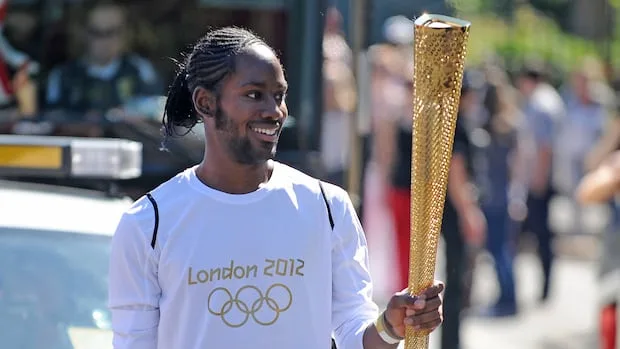
Jason Arday, a British sociologist and former professor at the University of Cambridge, was found dead at his home in Battersea, south London, on Friday, August 14, 2026. The 41-year-old academic had resigned from his position weeks earlier amid intense public scrutiny over allegations of plagiarism and questions about his academic and personal achievements. His death, described by the Metropolitan Police as “unexpected but not suspicious,” has sparked renewed debate over the pressures faced by academics in the spotlight and the broader implications of the controversy that surrounded him.
Arday, who became Cambridge’s youngest Black professor in 2023 at age 37, had resigned on August 5, 2026, following weeks of media coverage and internal university investigations. In a statement announcing his departure, he wrote that the “relentless accusations, speculation and public commentary have taken a profound toll on me and on those I love.” He emphasized that his resignation should not be interpreted as an admission of guilt, though he acknowledged making “academic mistakes” during his doctoral studies. His departure came after Cambridge University announced an internal inquiry into his qualifications and honorary appointments, following “new information” about his academic record.
The controversy began in July 2026 when *The Times* published an analysis of Arday’s 2015 PhD thesis, highlighting passages that it claimed were “identical or near-identical” to an earlier paper by another researcher. The allegations were amplified by British media, which also questioned his claims of raising £5.5 million ($7.4 million) for charity through endurance feats such as running 30 marathons in 35 days. These disputes were compounded by scrutiny of his personal history, including claims that he had been nonverbal until age 11 and illiterate until his late teens, a narrative that became central to his public persona as a figure who overcame significant challenges.
Arday’s family released a statement through his publisher, Simon & Schuster U.K., describing the media scrutiny as a “campaign of sustained abuse” that “was too much for Jason, who was a gentle man and who always wanted to see the best in everyone.” They urged the press to “stop the campaign of harassment” that had targeted him and his family for “more than three years.” The statement echoed broader concerns from supporters, including over two dozen academics and politicians, who labeled the plagiarism allegations a “smear campaign” aimed at undermining Black academics in positions of influence.
The University of Cambridge initially defended Arday, calling the accusations a “vile campaign to undermine his credibility.” However, the institution later shifted its stance, announcing an investigation into his qualifications after receiving “new information” and complaints about “academic misconduct.” Vice-Chancellor Deborah Prentice acknowledged the controversy as an “aberration” but stressed that it should not cast doubt on the work of other staff of color. She also pledged to review the university’s hiring processes, a move that came after dozens of Cambridge academics signed a letter demanding an independent inquiry into his appointment.
The scandal also drew attention to the role of Nathan Cofnas, a former Cambridge researcher whose critiques of diversity, equity, and inclusion initiatives sparked protests in 2024. Cofnas had recently published claims about Arday’s academic work, which were cited by right-wing media outlets that accused him of benefiting from affirmative action policies. Arday himself alleged that the scrutiny was “racially motivated,” a claim that resonated with many in the academic community who saw the case as emblematic of broader tensions around race and representation in higher education.
Arday’s death has prompted calls for reflection on the impact of public shaming and the pressures faced by scholars navigating intense media and institutional scrutiny. London Mayor Sadiq Khan condemned the “pernicious public shaming” that Arday endured, stating that “other people in his position simply wouldn’t have faced” such treatment. Meanwhile, Durham University, where Arday worked from 2019 to 2021, remembered him as a “kind and warm person” who sought to promote opportunities for PhD students.
As the police investigation into Arday’s death continues, his legacy remains contested. His memoir, *Great and Unfortunate Things*, published in the U.S. by Simon & Schuster, has also drawn attention, with critics and supporters alike scrutinizing its contents. The case underscores the complex interplay between academic integrity, public perception, and the personal toll of institutional and societal pressures. For now, Arday’s family has asked for privacy, urging the public to “stop the campaign of harassment” that has defined the final chapter of his life.
How significant is this wire dispatch?
Cast your anonymous vote to register reader consensus across journalism and intelligence sectors.
Dateline Wire is dedicated to independent, evidence-backed reporting. This briefing was synthesized from primary source reporting, corroborated across independent newsrooms, and verified against our Editorial Standards.