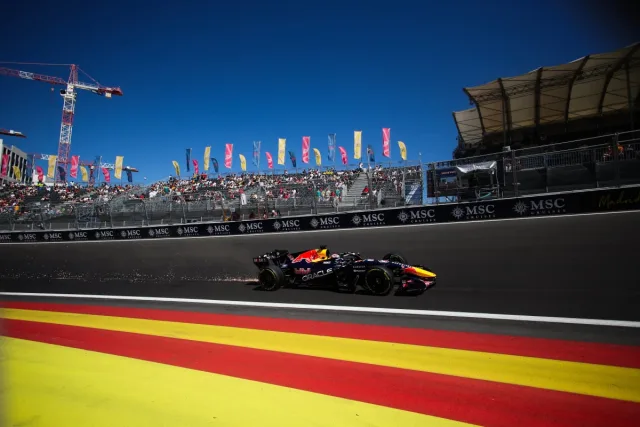
Thunderstorms expected to clear wildfire smoke for World Cup final
Meteorologists expect a storm front to sweep away lingering Canadian wildfire smoke, easing air quality concerns for the upcoming World Cup final at MetLife Stadium.
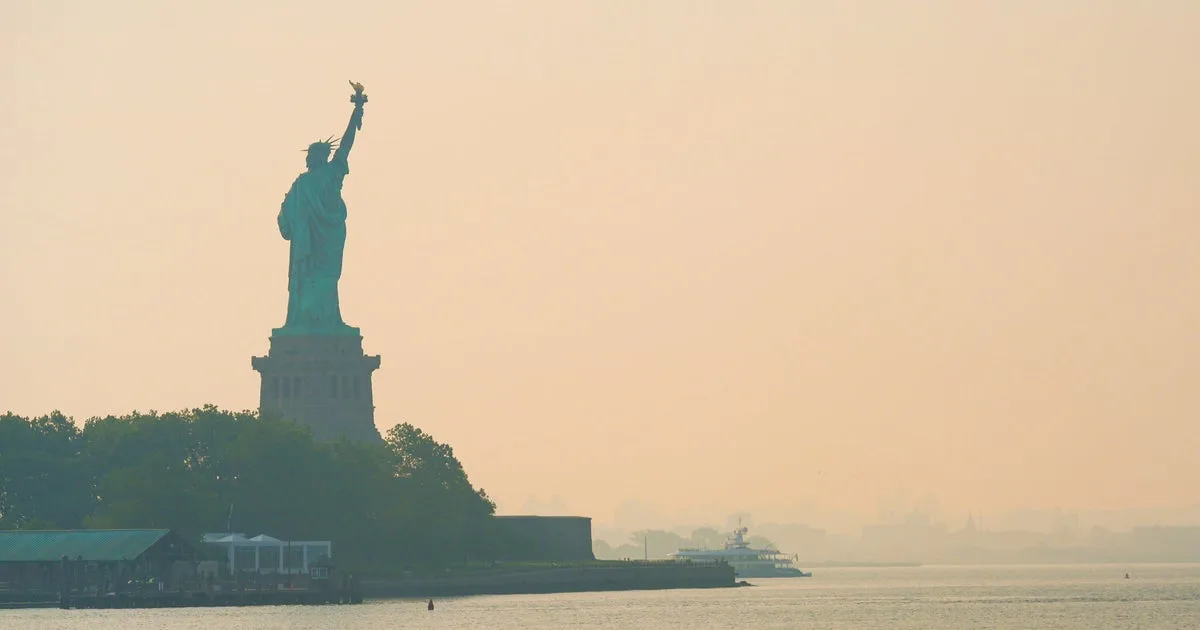
Meteorologists predict that thunderstorms sweeping through the Northeast will significantly reduce wildfire smoke over New Jersey by the time the 2026 FIFA World Cup final kicks off, easing concerns about air quality for players and fans. The match between Spain and Argentina, set for Sunday at MetLife Stadium in East Rutherford, faces a final environmental hurdle as smoke from Canadian wildfires has lingered over the region for days, prompting health warnings and disruptions to training sessions.
Despite the haze, forecasts indicate a dramatic improvement in air quality by game day. Tyler Roys, a senior meteorologist at AccuWeather, stated that the storm front will “sweep the atmosphere clean,” leaving only faint traces of smoke. Jeff Berardelli, a chief meteorologist at WFLA-TV, echoed this, noting that the “thickest smoke” causing unhealthy conditions is expected to dissipate before the final. The air quality index in East Rutherford, where the stadium is located, is projected to shift from “unhealthy for sensitive groups” on Saturday to “moderate” on Sunday, posing little risk to the general public.
However, the smoke has already disrupted preparations. Spain’s final outdoor training session was canceled due to thunderstorms and lightning, while Argentina’s practice was delayed. The storms, which brought heavy rain and flooding, also forced the suspension of a National Women’s Soccer League match in New York and the postponement of a Major League Soccer game in Chicago. Despite these challenges, FIFA has confirmed no plans to alter the final’s date or venue.
The political fallout over the smoke has been intense. U.S. President Donald Trump, who plans to attend the match, blamed Canada for the “filthy, polluted, and unhealthy air,” vowing to impose tariffs on the country. Ontario Premier Doug Ford called Trump’s rhetoric “absolutely unacceptable,” emphasizing Canada’s efforts to combat wildfires and assist U.S. states like Georgia during a 2024 hurricane. Canadian Prime Minister Mark Carney, meanwhile, framed the issue as a shared responsibility, citing climate change as a global challenge.
The smoke has already affected other sporting events. A Canadian Premier League match in Hamilton was canceled, and Toronto’s FIFA FanFest watch party was scrapped. In New York, officials provided free N95 masks and introduced hydration breaks for players in a Women’s National Soccer League game, where athletes described the conditions as “difficult” and “unfair.”
The wildfires themselves, fueled by climate change, have intensified this season. Ontario has seen nearly 200 fires scorch more land than in 2023, while British Columbia faced a surge of 100 active blazes after 4,000 lightning strikes. Environment Canada issued air quality warnings across the country, and evacuations were ordered in Nova Scotia and northwestern Ontario. Meteorologists linked the prolonged fire season to hotter, drier conditions, with Berardelli stating that “fires are burning longer and faster” than in previous years.
As the World Cup final approaches, the focus remains on the weather. Temperatures are forecast to reach 80°F (27°C) with light breezes and low humidity, creating “perfect” conditions for the match, according to Berardelli. While some smoke may linger, officials stress that the risks to players and fans are minimal. The outcome of the game, however, will be decided on the field—not in the sky.
Dateline Wire is dedicated to independent, evidence-backed reporting. This briefing was synthesized from primary source reporting, corroborated across independent newsrooms, and verified against our Editorial Standards.