India declares Pakistan-based Shahzad Bhatti Network a terrorist group
The Indian government has designated the ISI-backed Shahzad Bhatti Network as its 46th banned terrorist organization following a multi-state crackdown.
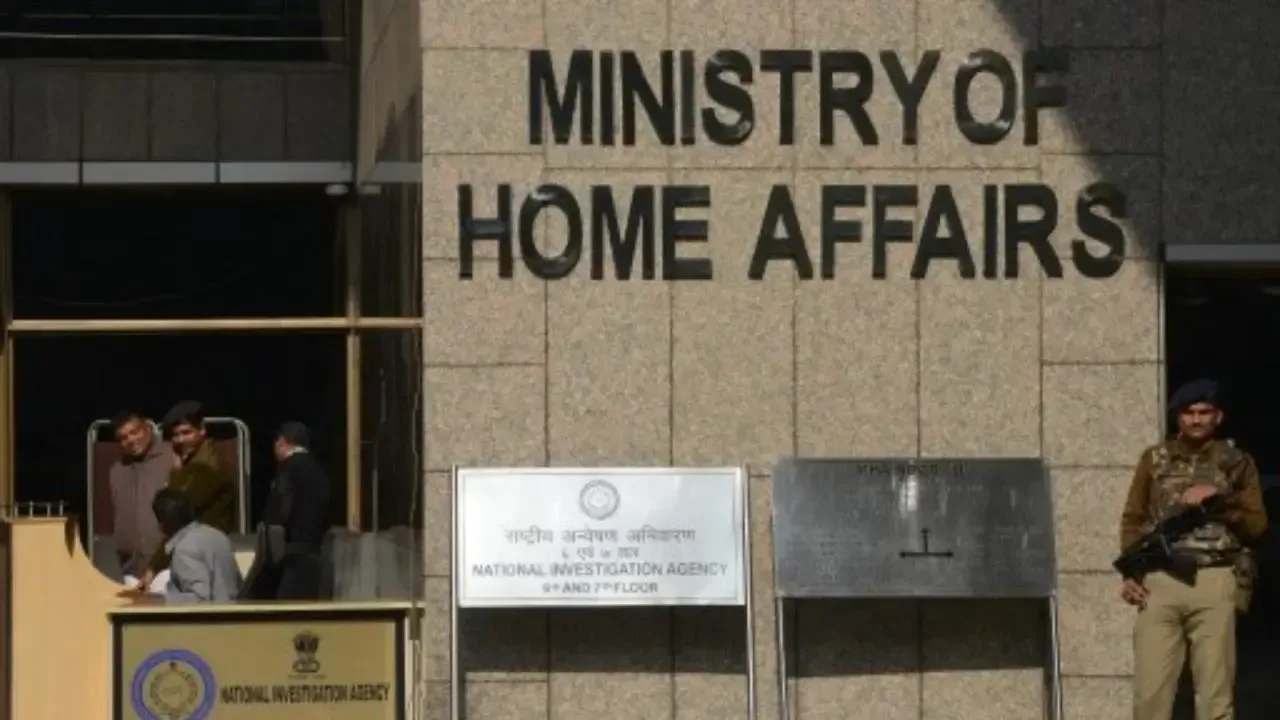
The Indian government on 16 September 2026 declared the Pakistan-based Shahzad Bhatti Network (SBN) a terrorist organization under the Unlawful Activities (Prevention) Act (UAPA), marking the 46th entry on the list of designated terror groups. The move, announced by Union Home Minister Amit Shah, was framed as part of Prime Minister Narendra Modi’s “zero tolerance” policy toward cross-border terrorism. The SBN, described as an ISI-backed syndicate, is accused of smuggling arms, explosives, and narcotics across borders, radicalizing youth, and orchestrating attacks that destabilize India’s democratic and communal fabric.
SBN’s Activities and Legal Basis for Designation
The Union Home Affairs issued a gazette notification invoking Section 35(1)(a) of the UAPA to add the SBN to the First Schedule of the Act, which formally classifies it as a terrorist organization. The notification cited the group’s involvement in “terrorism and participation in various acts of terrorism in India,” including grenade attacks, IED explosions, and targeted killings. It also highlighted the SBN’s role in “radicalising gullible youth” through digital platforms and recruiting local criminals to smuggle contraband.
According to the government, the SBN’s activities include:
| Detail | Information |
|---|---|
| Smuggling | Arms, explosives, narcotics across borders |
| Radicalization | Using digital platforms to incite anti-national activities |
| Attacks | Grenade blasts, IEDs, petrol bombs, targeted killings |
| Surveillance | Reconnaissance of police, defense, and religious sites; installation of CCTV cameras for espionage |
The notification also referenced criminal cases against SBN members under multiple laws, including the UAPA, Arms Act, Explosives Act, and Information Technology Act. It emphasized the group’s collaboration with other banned organizations and its threat to “the democratic system, communal harmony, and internal security of the country.”
Multi-State Crackdown and Arrests
The designation followed a coordinated operation by Indian security agencies in August 2026, targeting the SBN’s cross-border networks. Over 253 individuals were detained across 14 states, with more than 80 First Information Reports (FIRs) filed. The operation, conducted ahead of Independence Day, resulted in the seizure of improvised explosive devices (IEDs), hand grenades marked with Pakistan Ordnance Factory insignia, pistols, live cartridges, and covert surveillance equipment.
Key arrest locations included:
| State | Detentions |
|---|---|
| Uttar Pradesh | 62 |
| Haryana | 52 |
| Delhi | 51 |
| Punjab | 44 |
| Rajasthan | 15 |
| Other states | 101 (including Maharashtra, Uttarakhand, Karnataka, etc.) |
Officials linked the SBN to specific attacks, including the March 2025 grenade attack on the home of Jalandhar-based YouTuber Navdeep Sandhu (known as “Rozer Sandhu”) and the January 2026 car bomb at Baldev Nagar police station in Ambala. The network is also alleged to have supplied weapons used in the 2022 murder of singer Sidhu Moosewala and the 2024 killing of NCP leader Baba Siddique.
Context: SBN’s Role in Cross-Border Terrorism
The SBN’s designation comes amid a broader crackdown on Punjab’s “terror-gangster nexus,” following the 2023 outlawing of the Khalistan Tiger Force (KTF). Unlike the KTF, which was tied to Khalistan separatism, the SBN is described as a hybrid entity combining ISI backing, arms-narcotics smuggling, and the recruitment of local criminals. Intelligence assessments link it to the Gurdaspur police station blast and other attacks, with investigators identifying associates like Zeeshan Akhtar and US-based Happy Passia.
Shahzad Bhatti, a Lahore resident based in Dubai, remains at large despite being wanted in multiple Indian investigations. His alleged connections to gangster Lawrence Bishnoi and Balochistan-based figures like Farooq Khokhar underscore the network’s transnational reach. The absence of an India-Pakistan extradition treaty has left Bhatti beyond the jurisdiction of Indian courts, even as chargesheets against his network continue to accumulate.
Frequently Asked Questions
What legal provisions were used to designate the SBN as a terrorist organization?
The SBN was added to the First Schedule of the UAPA under Section 35(1)(a), which allows the government to designate organizations as terrorist entities if they engage in or support terrorism.
How many people were arrested in the August 2026 crackdown against the SBN?
Over 253 individuals were detained across 14 states during the operation, with 80 FIRs registered and significant quantities of weapons and surveillance equipment seized.
What attacks are attributed to the SBN?
The SBN is alleged to be linked to the March 2025 grenade attack on YouTuber Navdeep Sandhu’s residence, the January 2026 Baldev Nagar police station car bomb, and the 2022 murder of Sidhu Moosewala. It is also tied to the Gurdaspur police station blast and the 2024 killing of Baba Siddique.
The designation of the SBN as a terrorist organization underscores India’s intensified focus on dismantling cross-border criminal networks. However, the absence of an extradition treaty with Pakistan and the group’s transnational operations pose ongoing challenges for Indian law enforcement. As investigations continue, the government’s emphasis on “zero tolerance” against terrorism highlights the evolving nature of security threats in the region.
Dateline Wire is dedicated to independent, evidence-backed reporting. This briefing was synthesized from primary source reporting, corroborated across independent newsrooms, and verified against our Editorial Standards.