BCI co-chair YR Sadasiva Reddy demands resignation of BCI chairman Manan…
Bar Council of India co-chairman YR Sadasiva Reddy has demanded Chairman Manan Kumar Mishra's resignation, citing allegations of financial diversion, nepotism, and abuse of authority.
- Headline: BCI co-chair YR Sadasiva Reddy demands resignation of BCI chairman Manan…
- Dispatch Summary: Bar Council of India co-chairman YR Sadasiva Reddy has demanded Chairman Manan Kumar Mishra's resignation, citing allegations of financial diversion, nepotism, and abuse of authority.
- Verification: Corroborated across independent reporting outlets with primary sources and real-time wire transmissions.
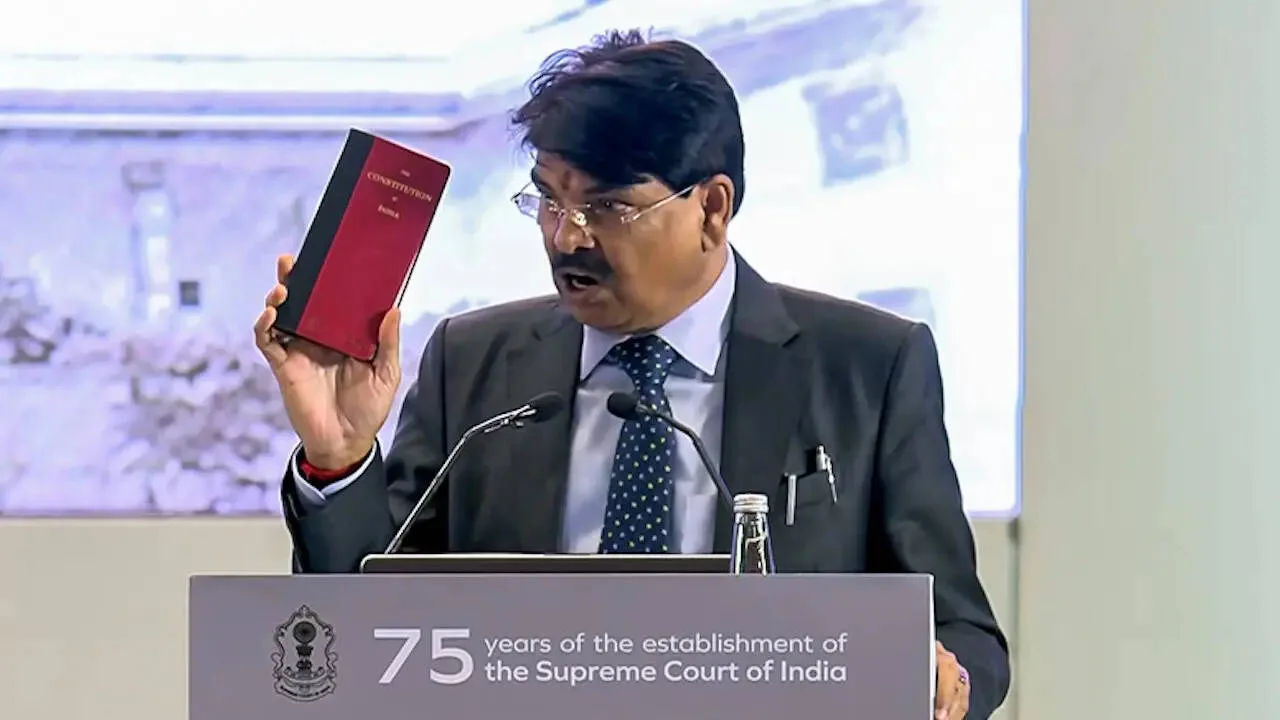
Senior advocate YR Sadasiva Reddy, co-chairman of the Bar Council of India (BCI), has demanded the immediate resignation of BCI chairman Manan Kumar Mishra, citing allegations of financial mismanagement, nepotism, and misuse of authority. Reddy’s call for resignation, outlined in a six-page letter dated August 22, 2026, has intensified scrutiny of Mishra’s leadership amid growing unrest within the legal community.
The letter accuses Mishra of diverting Rs 150 crore from BCI funds to a private trust, “BCI Trust PEARL - FIRST,” registered in 2020. Reddy alleged that the trust’s trustees were handpicked by Mishra, with no transparency or oversight from BCI members. He emphasized that the Advocates Act, 1961, does not permit a statutory body’s funds to be transferred to a private trust controlled by its chairman. Reddy also claimed that law colleges seeking approval or renewal were pressured to contribute between Rs 25 lakh and Rs 1 crore to the trust, undermining the BCI’s regulatory authority.
Reddy’s demands extend to the NALSAR University of Law controversy, where Mishra’s office initially directed State Bar Councils to withhold enrollment of the 2026 graduating batch. The directive, issued after students opposed the participation of Chief Justice of India Surya Kant in the university’s convocation, was withdrawn hours later. Reddy condemned the move as an abuse of power, arguing that the BCI chairman’s office had threatened “young men and women with no power and no voice” with exclusion from the legal profession. “That single act… has done more damage to the standing of this Council than anything else in its history,” Reddy wrote.
The letter also highlights allegations of nepotism, with Reddy claiming that a “striking proportion” of BCI staff are connected to Mishra or his family. He accused the chairman of bypassing transparent appointment processes, including the recruitment of family members to key positions in BCI-run institutions. Reddy further criticized Mishra’s 14-year tenure as chairman, noting that his re-election in 2025 defied the rotational principle intended by Parliament. “An elected office that has one occupant for fourteen years has ceased, in any real sense, to be an elected office,” he wrote.
Mishra has rejected the calls for resignation, asserting that he was elected to represent 25 lakh lawyers and would not step down “simply” due to protests or criticism. His remarks followed demonstrations by Delhi-based Bar Associations, which accused him of neglecting advocate welfare schemes and proposing a registration fee hike. The protests, backed by the Cockroach Janta Party (CJP), gained momentum after Mishra dismissed the group’s characterization of lawyers as “legal cockroaches,” calling the term “offensive” and demanding its cessation.
Reddy’s letter also called for an independent inquiry into the BCI’s finances, a special audit of the PEARL trust, and the publication of staff details on the BCI website. He urged Mishra to resign within 15 days, stating that the legal profession “deserves better than what it is presently receiving from its own Council.” The co-chairman emphasized that his demands were not personal but rooted in the BCI’s institutional integrity, noting that his concerns echoed protests by advocates and student bodies.
The controversy has sparked broader debates about the BCI’s accountability. Critics argue that Mishra’s long tenure and centralized control have eroded trust in the body, while supporters defend his leadership as essential to navigating complex legal reforms. A separate petition filed in the Supreme Court challenges the “uninterrupted continuation” of Mishra’s chairmanship, citing concerns over democratic governance within the BCI.
As the dispute unfolds, the BCI faces pressure to address allegations of financial impropriety and procedural opacity. Reddy’s demands, backed by protests and legal scrutiny, underscore a deepening crisis of confidence in the institution tasked with regulating India’s legal profession. Whether Mishra will comply with the resignation call or face further institutional action remains uncertain, but the fallout has already reshaped the political and ethical landscape of legal governance in the country.