US Navy confirms 8 suicide attempts aboard USS Abraham Lincoln group
Eight sailors aboard the USS Abraham Lincoln carrier strike group attempted suicide during a prolonged deployment marked by combat stress and quality-of-life issues.
- Headline: US Navy confirms 8 suicide attempts aboard USS Abraham Lincoln group
- Dispatch Summary: Eight sailors aboard the USS Abraham Lincoln carrier strike group attempted suicide during a prolonged deployment marked by combat stress and quality-of-life issues.
- Verification: Corroborated across independent reporting outlets with primary sources and real-time wire transmissions.
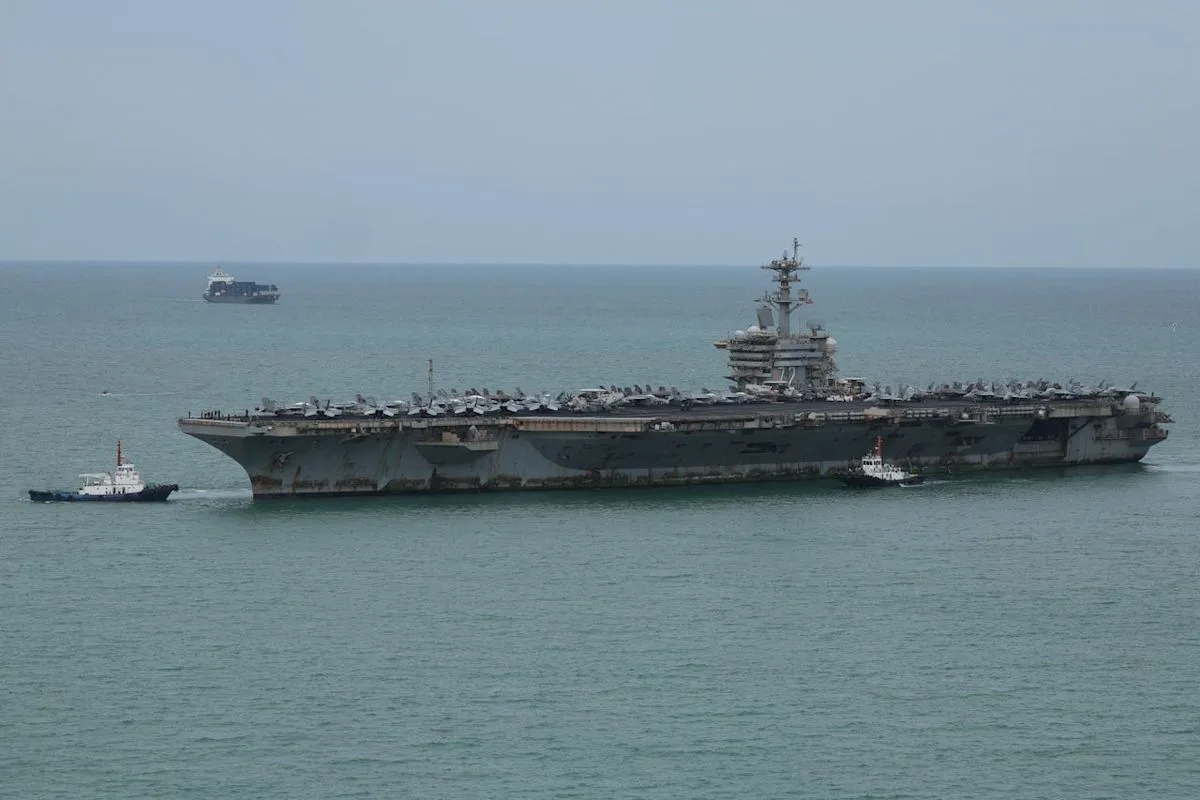
The U.S. Navy confirmed on Thursday that eight sailors aboard the USS Abraham Lincoln carrier strike group attempted suicide during a prolonged deployment to the Middle East, marking a stark escalation in scrutiny over service members' mental health. The disclosure, made through a letter from Acting Navy Secretary Hung Cao to Senator Kirsten Gillibrand, revealed the scale of distress among personnel amid combat operations against Iran and grueling living conditions.
Extended Deployment and Harsh Conditions
The USS Abraham Lincoln’s deployment, which lasted more than nine months, set a modern Navy record for consecutive days at sea, with over 250 days without port visits. Sailors described a relentless environment marked by combat pressures, constant alerts, and deteriorating basic infrastructure. Reports of frequent plumbing failures — cutting off hot water and functional toilets — and food and supply shortages contributed to widespread frustration.
“Everyday we wake up and listen to our captain speak, we are desperately hoping and anxious for updates on our return,” one crew member told a outlet before the ship departed the region. The lack of respite exacerbated tensions, with a defense official noting that the suicide attempt rate “was incredibly high” compared to typical strike group deployments, which usually see one or two attempts annually.
Contextualizing the Suicide Attempts
Cao’s letter to Gillibrand specified that the 8 suicide attempts encompassed the entire strike group, including the carrier, its air wing, escorting destroyers, and support staff. No sailors died by suicide during the deployment, which included active combat against Iran. The Navy attributed the rate to the “strain of combat ops,” citing the absence of port calls and the psychological toll of prolonged exposure to conflict.
The figure aligned with the broader active-duty Navy’s 2024 statistics, which recorded 356 suicide attempts across roughly 337,000 sailors. However, the strike group’s rate, 8 attempts over a 9-month period, highlighted the unique stressors of its mission. A U.S. military official told CNN that the Lincoln’s deployment “was not the norm,” emphasizing the combination of combat, isolation, and logistical challenges.
| Detail | Information |
|---|---|
| Number of suicide attempts | 8 |
| Deployment duration | Over 250 consecutive days at sea |
| Personnel involved | Entire strike group, including carrier, air wing, destroyers, and support staff |
| 2024 Navy suicide attempts | 356 across 337,000 active-duty sailors |
Navy’s Mental Health Support and Criticisms
Cao’s letter outlined the mental health resources deployed with the strike group, including five chaplains, a psychologist, a clinical social worker, and a facility dog. However, sailors reported a disconnect between official assurances and their lived experiences. A Navy statement claimed it “has not observed an increase in suicidal ideations or attempts,” while acknowledging the availability of religious, medical, and mental health professionals.
Senator Gillibrand condemned the administration’s handling of the issue, accusing former leadership of dismissing concerns as “fake news.” She cited the contrast between funding for “bombs, ballrooms, and billionaires” and the lack of support for service members. “Our troops and their families make immense sacrifices every single day, yet the president dismissed them with open disrespect,” she said.
Unresolved Questions and Next Steps
The Navy has not explicitly linked the suicide attempts to specific factors beyond combat stress, though sailors’ accounts point to systemic issues. The strike group’s return to San Diego remains under scrutiny, with questions about how the service will address long-term mental health impacts. The USS Abraham Lincoln, now en route to its home port via Thailand and Guam, has yet to face formal investigations into its conditions.
As the Navy prepares to release further details, the incident underscores the growing debate over how military leadership balances operational demands with the well-being of its personnel. For now, the 8 suicide attempts serve as a stark reminder of the hidden costs of prolonged deployments in conflict zones.
Frequently Asked Questions
How many suicide attempts were reported, and what was the outcome?
The Navy confirmed 8 suicide attempts by sailors aboard the USS Abraham Lincoln strike group during its deployment. No deaths by suicide were reported, though two attempts occurred during active combat operations.
What were the conditions like on the ship?
Sailors described severe quality-of-life issues, including frequent plumbing failures, food shortages, and 250 consecutive days at sea without port visits. These conditions contributed to widespread low morale and anxiety.
How does this compare to Navy-wide statistics?
The strike group’s suicide attempt rate aligned with the broader active-duty Navy’s 2024 data, which recorded 356 attempts across 337,000 sailors. However, the Lincoln’s deployment was deemed exceptional due to its length and combat focus.
The Navy’s next steps remain unclear, but the incident has intensified calls for reforms to address mental health support in extended deployments. As the USS Abraham Lincoln nears its return to San Diego, the focus will shift to how the service reconciles operational demands with the well-being of its personnel.
How significant is this wire dispatch?
Cast your anonymous vote to register reader consensus across journalism and intelligence sectors.
Dateline Wire is dedicated to independent, evidence-backed reporting. This briefing was synthesized from primary source reporting, corroborated across independent newsrooms, and verified against our Editorial Standards.