Bolivian wild cat identified as new species in first for over a century
Researchers have identified Leopardus tilcayo in Bolivia's Yungas cloud forest, marking the first newly described living feline species in over a century.
- Headline: Bolivian wild cat identified as new species in first for over a century
- Dispatch Summary: Researchers have identified Leopardus tilcayo in Bolivia's Yungas cloud forest, marking the first newly described living feline species in over a century.
- Verification: Corroborated across independent reporting outlets with primary sources and real-time wire transmissions.
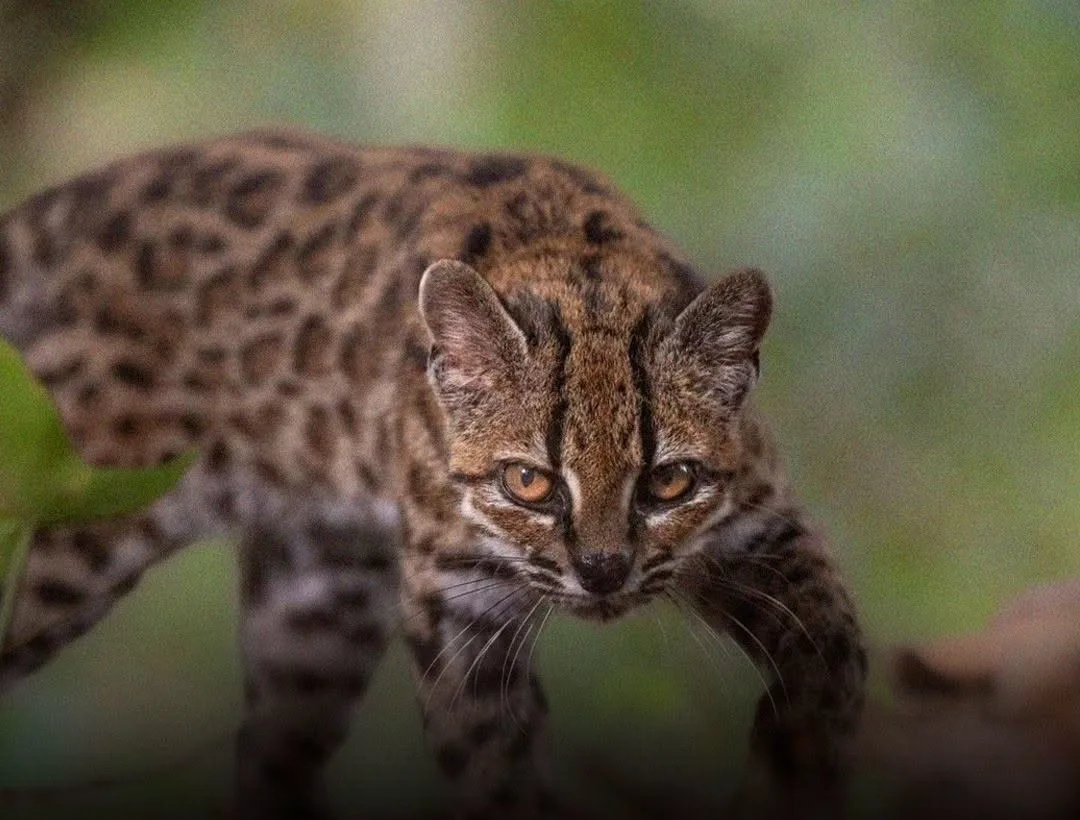
The first new living feline species identified in over a century has been discovered in Bolivia’s Yungas cloud forest, according to a study published in *Current Biology*. The diminutive wild cat, named *Leopardus tilcayo* after its local moniker, was confirmed through genetic analysis of 38 specimens across South America, revealing it as one of five distinct tiger cat lineages. Researchers emphasized that the species’ discovery challenges long-held assumptions about feline biodiversity and raises urgent conservation concerns for its threatened habitat.
Genetic Breakthrough Unveils Cryptic Species
Scientists identified *Leopardus tilcayo* by analyzing DNA from 38 cats, including museum specimens, across South America. The study found that tiger cats — previously considered a single species — actually comprise five genetically distinct lineages. The Bolivian population, which diverged from others 1.4 million years ago, was confirmed as a separate species after its physical traits and genetic markers failed to align with known tiger cat descriptions. Researchers noted that the cat’s small size, light-brown coat with rosettes, and nocturnal behavior set it apart from its relatives.
“We never expected this Bolivian tiger cat to be a separate species,” said Jonas Lescroart, an evolutionary biologist and co-lead author of the study. “No one had ever proposed it as a different animal, subspecies, or otherwise.” The team’s findings were corroborated by camera-trap footage and scat analysis, which suggested the cat hunts small rodents and is active at night. However, only two live specimens and limited field data are currently available, leaving much of its biology unexplored.
| Detail | Information |
|---|---|
| Scientific Name | Leopardus tilcayo |
| Local Name | Tilcayo |
| Body Length | 46 cm (18 inches) |
| Weight | 1.4 kg (3 pounds) |
| Discovery Timeline | 1.4 million years since divergence from other tiger cats |
| Number of Specimens Analyzed | 38 cats, including 8 museum specimens |
| Conservation Status | Under review by IUCN; potential for endangered classification |
Historical Context and Conservation Urgency
The discovery of *Leopardus tilcayo* follows a 2016 incident in which a local resident in Bolivia found a small kitten, later identified as a wild predator. The animal, now a 10-year-old male, resides in the Senda Verde Wildlife Sanctuary after being kept by a family. Its unusual size and markings prompted researchers to investigate, leading to the broader genetic study. The team also described a new Peruvian subspecies, *Leopardus tigrinus antisuyo*, named after the Inca region it inhabits.
The Yungas forest, where the cat was found, is one of the most threatened ecosystems in South America. Deforestation, agricultural expansion, and mining have accelerated habitat loss, according to Paola Nogales-Ascarrunz, a National Geographic explorer and study co-author. “Restoring forest patches damaged by fires, protecting remaining native forest, and maintaining habitat connections are urgent priorities,” she said. The International Union for Conservation of Nature (IUCN) is set to reassess the five tiger cat lineages separately, which could lead to more accurate conservation rankings. For example, *Leopardus tilcayo* may be classified as endangered when evaluated independently.
Implications for Biodiversity Research
The identification of *Leopardus tilcayo* underscores the prevalence of cryptic species, organisms that appear similar but are genetically distinct. Researchers emphasized that the discovery highlights gaps in global biodiversity knowledge, with many species potentially at risk of extinction before being documented. Eduardo Eizirik, a senior study author, noted, “There are many undiscovered species out there in the world, and they are at risk of disappearing before we even discover them.”
The study also challenges the assumption that tiger cats are a single, stable species. By revealing five distinct lineages, the research calls for revised taxonomic frameworks and conservation strategies. While the Bolivian cat’s population size remains unknown, its small range and habitat pressures suggest a precarious future. Scientists urge immediate action to protect the Yungas, which harbors not only this new species but also countless other undocumented organisms.
Frequently Asked Questions
Why is this discovery significant?
This is the first new living feline species identified in over a century, revealing the existence of five genetically distinct tiger cat lineages. It highlights the prevalence of cryptic species and underscores the need for updated biodiversity assessments.
What threats does *Leopardus tilcayo* face?
The Yungas cloud forest, its habitat, is under pressure from deforestation, agricultural expansion, mining, and human-caused fires. Conservationists warn that habitat fragmentation and degradation could jeopardize the species’ survival.
What comes next for the species?
The IUCN will reassess the five tiger cat lineages separately, which could lead to *Leopardus tilcayo* being classified as endangered. Researchers also plan to conduct further studies to better understand its ecology and population dynamics.
The discovery of *Leopardus tilcayo* serves as a reminder of the fragile balance between human activity and biodiversity. As the IUCN prepares to review its status, the fate of this elusive cat, and the Yungas ecosystem it calls home, will depend on swift, coordinated conservation efforts. For now, the species stands as proof of the hidden diversity of the natural world, waiting to be fully understood.
How significant is this wire dispatch?
Cast your anonymous vote to register reader consensus across journalism and intelligence sectors.
Dateline Wire is dedicated to independent, evidence-backed reporting. This briefing was synthesized from primary source reporting, corroborated across independent newsrooms, and verified against our Editorial Standards.