Ukraine naval drone strikes sink Russian warship and hit cargo vessel of…
Ukrainian naval drones sank a modern Russian corvette and hit a cargo vessel off the coast of Libya, expanding Kyiv's maritime campaign far beyond the Black Sea.
Seven Ukrainian-made naval drones sank a Russian corvette off Libya on Sunday, in the farthest strike yet of Kyiv's naval campaign against Moscow's fleet.
The attack near Benghazi also hit a dry cargo vessel, MV Angara, which Ukraine says carried weapons for Russia. President Volodymyr Zelensky confirmed Kyiv's role on Monday, calling it an exemplary operation in response to Russia's war. The strikes mark the first time Ukraine has sunk a modern Russian warship more than 1,000 miles from its own coast, pushing the war into a new maritime theatre.
What happened off Benghazi on Sunday
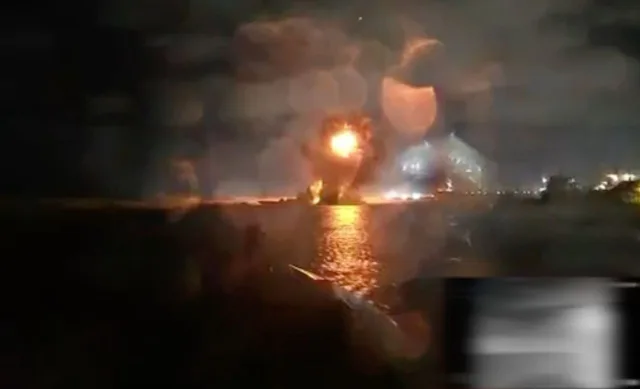
The first explosion struck early Sunday at the Benghazi Naval Base in eastern Libya. Residents heard loud blasts and saw fire at the base. Civil defence teams rushed to the scene and put out the blaze, according to authorities in Libya's east.
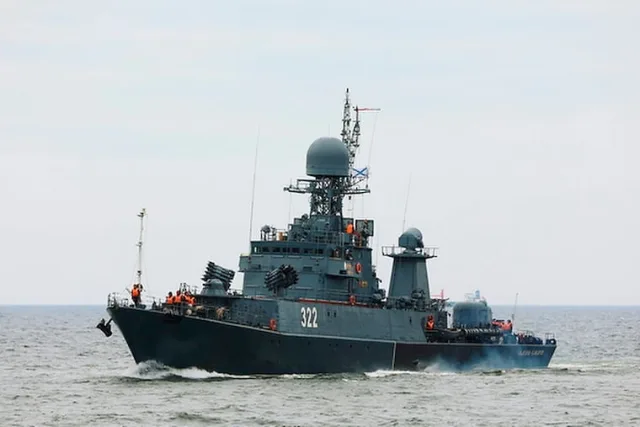
The target was the Russian corvette Merkury, docked at the port after stopping for refuelling and resupply. Zelensky said the ship was one of Russia's newest vessels, commissioned in 2023 during the full-scale war. Ukraine's SBU security service said the corvette regularly escorted enemy maritime convoys and belonged to Russia's Black Sea Fleet. A Ka-27 multipurpose helicopter was on board and sank with the ship.
A few hours later, a second ship was targeted off the coast of Benghazi by explosive-laden sea drones. Ukraine identified it as MV Angara, a dry cargo vessel used to transport weapons. Libyan authorities said the vessel was sailing under a Maltese flag.
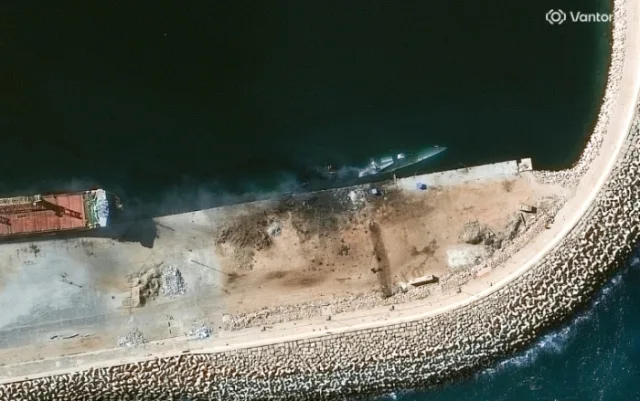
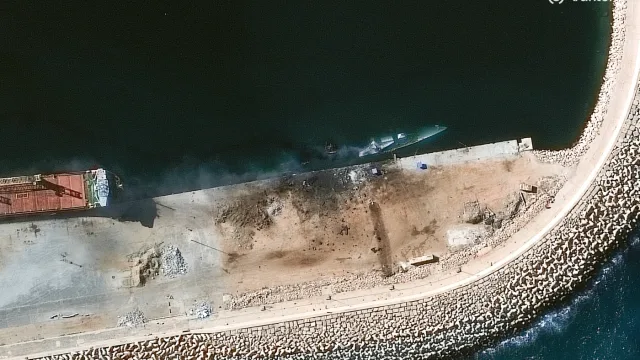
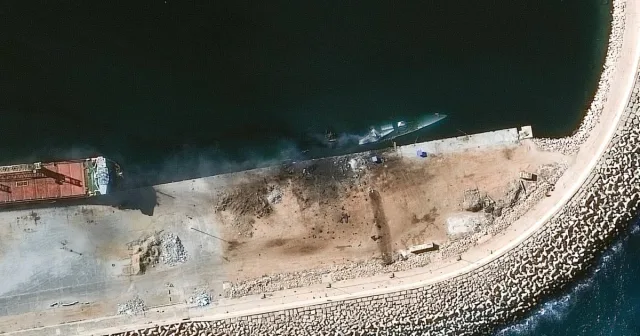
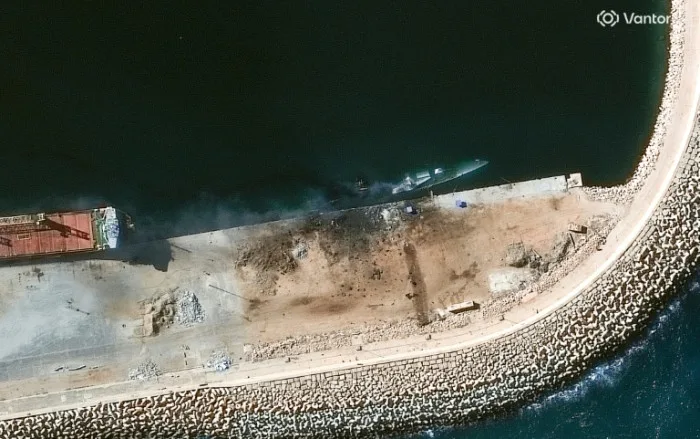
Satellite imagery reviewed by one outlet showed the Merkury capsized and largely submerged after the explosion. On Monday, Ukraine's SBU confirmed that seven unmanned surface vessels took part in the operation.
What Ukraine and Libya's rival governments say
Zelensky posted on X that Ukraine deployed seven domestically made naval drones against the vessels. He described the Merkury as sunk and said the targets set for the operation were achieved. He thanked the SBU and other Ukrainian defence forces.
The Russian corvette Merkury was sunk. It's one of their newest ships, commissioned in 2023, during the full-scale war.
Volodymyr Zelensky, President of Ukraine, via X
Libya's east, based in Benghazi and backed by Libyan National Army commander Khalifa Haftar, said a Russian ship docked at Benghazi port was hit on Sunday, causing a blast but no casualties. The eastern administration said it would launch a joint investigation with Russia and called on the United Nations to investigate reports of Ukrainian personnel, experts or military units in western Libya, citing areas around Misrata and Zawiya.
The rival UN-recognised Government of National Unity in Tripoli said it was alarmed by risks posed by involving civilian ports and facilities in activities linked to external conflicts. After the first strike, Tripoli said hosting illicit foreign forces and granting them access to national facilities invites the spillover of external conflicts into the country.
The UN mission in Libya expressed serious concern over the attacks and called for an immediate, independent and transparent investigation. It wrote that Libya cannot afford, and must not become, a battleground for foreign conflicts.
How this fits a wider pattern across the Mediterranean
The Benghazi strikes are not isolated. Since December 2024, a series of explosions, drone strikes and suspected sabotage incidents has affected Russian naval vessels and ships linked to Moscow's military logistics and shadow fleet across the Mediterranean.
The timeline includes the sinking of the cargo ship Ursa Major about 57 nautical miles off the Spanish coast near Almería on December 24, 2024. Tankers linked to Russian oil shipments suffered explosions or damage near Ceyhan, Turkey, and Libya in early 2025. The Russian tanker Qendil was reportedly struck by Ukrainian aerial drones in December 2025. In March 2026, the Russian LNG carrier Arctic Metagaz suffered explosions and caught fire in the Mediterranean, drifting for weeks before Libyan authorities arranged its towing. Russia blamed Ukraine for that incident, though the cause remained disputed.
In September 2026, the Russian cargo vessel Lady Mariia was reportedly attacked by aerial drones between Crete and Libya. The November operation in Benghazi differs from several earlier incidents because it involved direct attacks against Russian military and logistical assets rather than suspected sabotage against commercial shipping.
Ukraine has previously used naval drones to hit Russian ships in the Black Sea, including the landing ship Caesar Kunikov off Crimea in 2024. It has also claimed attacks on Moscow's so-called shadow fleet in the Mediterranean. In March, a Russian liquefied natural gas carrier sank off the Libyan coast after an attack that President Vladimir Putin blamed on Ukraine.
What the Kremlin's silence and Libya's UN demand mean
There was no immediate comment from Russia about the strikes. Moscow has previously blamed Ukraine for attacks on its vessels in the Mediterranean and warned of a dangerous trend after attacks in Libya and the Baltic.
Libya's east has lodged a complaint over the Ukrainian attacks on two Russian ships off Benghazi and asked the UN to probe claims of Ukrainian military presence in the country's west. Tripoli has not reacted to those allegations. The two Libyan administrations have traded blame for the Benghazi attacks, showing the country's division between the eastern administration and the UN-recognised government in Tripoli.
The eastern administration said one of the vessels attacked had been en route back to Russia after a stop for refuelling and resupply under a co-operation agreement between Russia and the eastern-based government. That detail ties the strike directly to Russia's supply lines in the Mediterranean, including what the SBU described as Syrian and Libyan Express routes.
Ukraine's ability to strike a modern corvette in a Libyan port shows its naval drone programme can reach well beyond the Black Sea. The SBU said the Merkury escorted enemy maritime convoys, making it a military target, but the use of a civilian port has drawn international concern and could complicate Libya's already fractured politics.
The next concrete step is the joint investigation promised by Libya's east together with Russia, and the UN call for an immediate, independent and transparent investigation. Watch for whether Russia responds militarily or diplomatically, and whether Libya's eastern administration follows through on its request for a UN probe into alleged Ukrainian forces in western Libya.