Trump signs sweeping Russia sanctions bill, opens door to tariffs on maj…
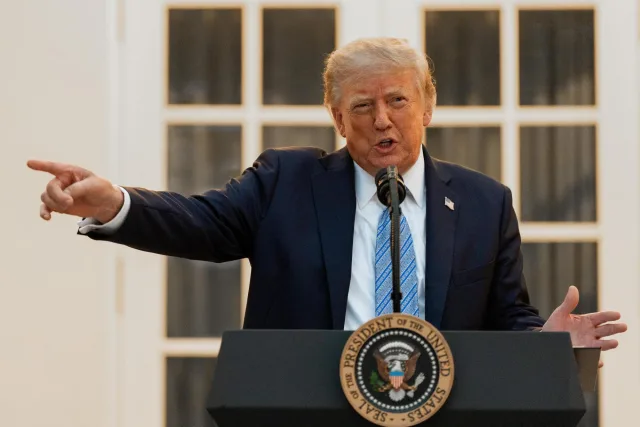
US President Donald Trump signed the Lindsey O. Graham Sanctioning Russia and Iran Act of 2026, granting authority to impose up to 100% tariffs on major purchasers of Russian oil and gas.
- Headline: Trump signs sweeping Russia sanctions bill, opens door to tariffs on maj…
- Dispatch Summary: US President Donald Trump signed the Lindsey O. Graham Sanctioning Russia and Iran Act of 2026, granting authority to impose up to 100% tariffs on major purchasers of Russian oil and gas.
- Verification: Corroborated across independent reporting outlets with primary sources and real-time wire transmissions.
Trump signs sweeping Russia sanctions bill, expands tariff powers
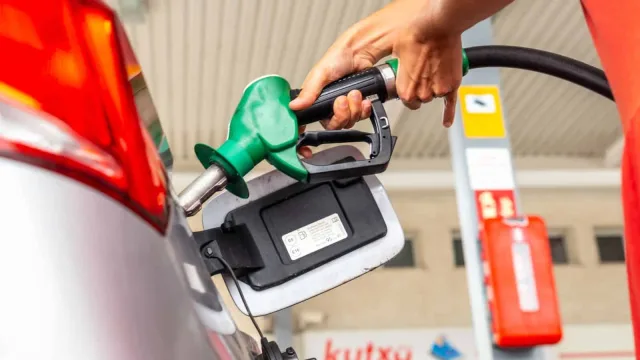
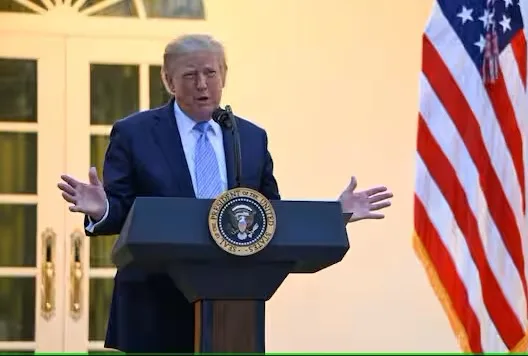
US President Donald Trump on Friday signed the Lindsey O. Graham Sanctioning Russia and Iran Act of 2026, a sweeping legislative measure that grants the White House broad authority to impose tariffs of up to 100% on countries continuing to purchase Russian oil and gas. The law, passed by Congress after months of debate, aims to intensify economic pressure on Moscow over its invasion of Ukraine while extending sanctions against Iran’s energy and weapons sectors.
The 48-page bill, named after the late Senator Lindsey Graham, a staunch advocate for Ukraine, authorizes the president to target the “top five purchasers” of Russian crude and natural gas, with India and China identified as key potential targets of this provision. While the law does not automatically impose tariffs, it creates a legal pathway for the administration to do so under specified conditions, including the continued importation of Russian energy or facilitation of sanctions evasion.
The legislation also imposes sanctions on Russian officials, financial institutions, and the country’s “shadow fleet” of tankers used to circumvent Western restrictions. It extends the Iran Sanctions Act of 1996 through 2031 and includes provisions to restrict US businesses from engaging in new deals with Russian entities until a peace agreement acceptable to Ukraine is reached.
| Detail | Information |
|---|---|
| Bill Name | Lindsey O. Graham Sanctioning Russia and Iran Act of 2026 |
| Key Provision | President may impose up to 100% tariffs on top five Russian oil/gas importers |
| Targeted Sectors | Russia’s energy, defense, and “shadow fleet” of tankers; Iran’s energy and weapons sectors |
| Implementation | President may waive tariffs under specified conditions, including national interest |
India and China face tariff threats, but no immediate action
The bill has drawn particular attention in India and China, both of which remain significant buyers of Russian energy. According to data from the Centre for Research on Energy and Clean Air, China accounted for 50% of Russian crude exports between December 2022 and August 2026, while India accounted for 37%. However, the law does not automatically trigger 100% tariffs on these countries, and the Trump administration retains discretion over implementation.
India’s government has warned that the legislation could strain its relationship with the US and disrupt global energy markets. The Indian Ministry of External Affairs stated it remains “firmly committed to ensuring energy security” for its population, emphasizing that its purchases of Russian oil are driven by commercial and strategic considerations. Indian officials have also raised concerns about the potential economic impact of US tariffs, which could affect exports to the American market.
China, meanwhile, has rejected the US approach, condemning what it calls “long arm jurisdiction” and vowing to defend its economic sovereignty. Chinese foreign ministry spokesperson Guo Jiakun stated that Beijing opposes “unauthorized interference” in its trade relations, adding that its energy cooperation with Russia is conducted “on the basis of equality and mutual benefit.”
Critics warn of economic risks, allies hail symbolic significance
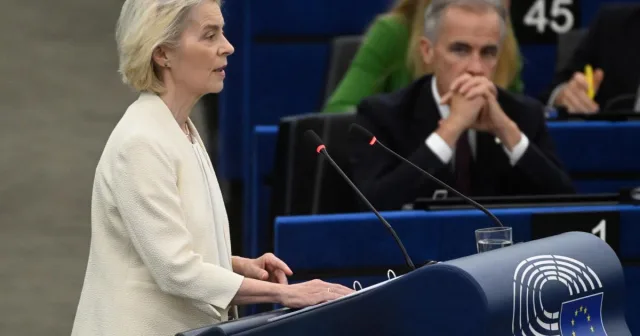
The law has drawn both praise and criticism. Supporters, including Ukrainian President Volodymyr Zelenskyy, have praised the measure as a tool to pressure Russia toward ending the war in Ukraine. Zelenskyy thanked Trump for signing the legislation, calling it “critically important” and urging the administration to implement its provisions “fully and swiftly.”
Critics, however, have raised concerns about the potential economic fallout for major energy buyers. Former Treasury Department official Kerri Bitsoff noted that tariffs have proven difficult to enforce against large purchasers like China and India, citing the latter’s 2025 retaliation against US tariffs on rare-earth exports. She emphasized that the effectiveness of the law will depend on the Trump administration’s willingness to enforce existing sanctions, which have seen limited action in recent months.
Others have questioned the law’s long-term impact. Daniel Fried, a former State Department sanctions coordinator, argued that the legislation’s symbolic value outweighs its immediate practical effects, noting that Trump’s lack of a public statement on the signing diminished its diplomatic messaging. Luke Coffey of the Hudson Institute cautioned against expecting “major new sanctions or tariffs to be implemented overnight,” stressing that the bill codifies existing measures rather than introducing new ones.
Russia condemns new sanctions, Ukraine seeks enforcement
The Kremlin has condemned the legislation, with spokesman Dmitry Peskov describing it as “unfriendly actions” that could complicate efforts to reach a peace settlement in Ukraine. Peskov said Moscow is “monitoring the progress of this document” and warned that additional US sanctions would “certainly complicate” negotiations.
Ukraine, however, has framed the law as a critical step in maintaining pressure on Russia. Zelenskyy’s office reiterated that the “best way to honor Lindsey Graham’s memory” is to implement the bill’s provisions “fully and swiftly.” The Ukrainian leader has also called on the Trump administration to use the new powers to target countries that continue purchasing Russian energy or aiding its sanctions evasion efforts.
The law’s implementation will now hinge on the Trump administration’s priorities. While the president retains the authority to impose tariffs, the decision to do so will depend on geopolitical calculations, domestic political pressures, and the broader context of US-Russia relations. For now, the legislation stands as a significant escalation in the US’s economic strategy against Moscow, with far-reaching implications for global energy markets and international diplomacy.
Frequently Asked Questions
Does the bill automatically impose a 100% tariff on India or China?
No. The law grants the president authority to impose up to 100% tariffs on the top five purchasers of Russian oil and gas, but it does not automatically trigger such measures. The administration retains discretion and can waive tariffs under specific conditions, including national interest.
Which countries are targeted by the bill?
The law focuses on the five largest importers of Russian crude oil or natural gas, as well as countries identified as major facilitators of Russian sanctions evasion. India and China are among the primary targets, but the exact scope depends on the administration’s enforcement decisions.
What is the bill’s significance for Ukraine?
The legislation is intended to increase economic pressure on Russia, with the goal of pushing Moscow toward ending the war in Ukraine. Ukrainian officials have welcomed the bill as a tool to sustain sanctions, though they now face the challenge of ensuring its provisions are implemented effectively.
The next critical step will be the Trump administration’s decision on whether to exercise its new tariff powers. With India and China already navigating complex energy dependencies, the coming months will test the law’s effectiveness and its impact on global trade dynamics.
How significant is this wire dispatch?
Cast your anonymous vote to register reader consensus across journalism and intelligence sectors.
Dateline Wire is dedicated to independent, evidence-backed reporting. This briefing was synthesized from primary source reporting, corroborated across independent newsrooms, and verified against our Editorial Standards.