Kennedy Center board votes to close as judge bars adding Trump's name
A federal judge ruled that adding President Donald Trump's name to the Kennedy Center requires congressional approval. Following the ruling, the board voted to close the venue for two years, citing safety concerns and financial instability.
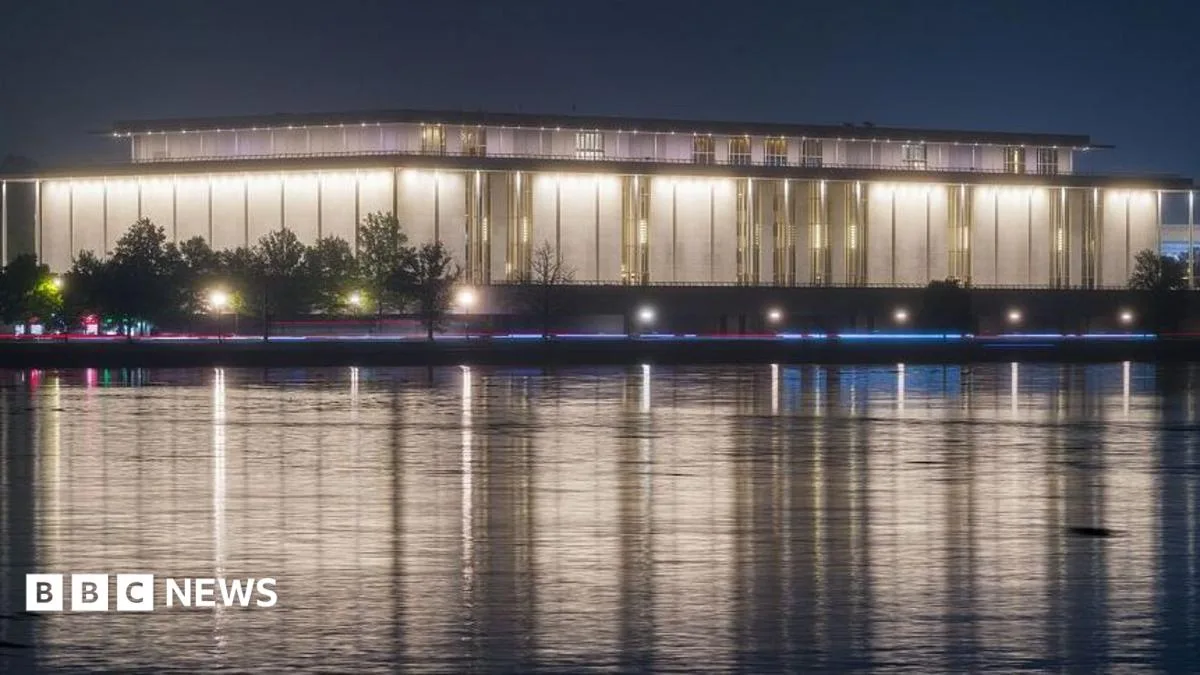
The Kennedy Center board voted to close the Washington, D.C.-based performing arts venue for two years, just hours after a federal judge ruled that President Donald Trump's name could not be added to the building or its grounds. The decision, issued by U.S. District Judge Christopher Cooper, marked the latest escalation in a months-long legal and political battle over the institution’s identity and financial future.
Judge bars Trump name additions, citing legal mandates
In a 22-page ruling, Judge Cooper emphasized that the Kennedy Center, a living memorial to President John F. Kennedy, cannot have its name or grounds altered without congressional approval. The judge reiterated a May 2026 order that barred the board from installing Trump’s name on the venue, stating, “Defendants cannot install memorials for President Trump or anyone or anything else at the Kennedy Center without Congress’s blessing.”
The board had previously voted in August to inscribe the words “Renovated and Restored by President Donald J. Trump” on the building’s facade, alongside plans to rename the plaza as “President Donald J. Trump Plaza.” These moves, which the board framed as recognition of Trump’s role in fundraising for renovations, were challenged by Rep. Joyce Beatty, an Ohio Democrat and ex-officio board member. She argued that the changes violated federal law and the original purpose of the Kennedy Center as a nonpartisan memorial.
Cooper’s ruling came minutes before the board convened to vote on closing the venue, a decision that followed warnings from administrators about the center’s “precarious fiscal position.” The judge also left open the possibility of future naming proposals, but only if they did not conflict with existing statutes.
Board cites financial instability and safety concerns
The Kennedy Center’s board, which includes Trump allies and is chaired by the former president, voted to close the venue “for safety reasons” and to initiate renovations. The decision followed a series of legal and financial crises, including a prior court order that removed Trump’s name from the building’s facade and a reported risk of bankruptcy. Administrators warned that the center could not sustain its operations “within a matter of weeks,” citing unpaid payroll obligations and maintenance contracts.
Trump claimed the closure was necessary due to “dire conditions” in the building, including a ceiling collapse earlier this month. However, some insiders disputed the safety claims, arguing that the closure was driven by the board’s legal and financial challenges rather than structural concerns. The board’s resolution to close the venue also coincided with its ongoing efforts to secure $100 million in private funding for renovations, which it tied to public recognition of Trump’s role.
Legal and political tensions over the venue’s identity
The dispute over the Kennedy Center’s branding has deepened political divisions. The board, which Trump has described as “almost unanimous” in its support, has framed his involvement as essential to the venue’s survival. Commerce Secretary Howard Lutnick, a board member, compared the proposed naming to practices at hospitals and universities, where donors are publicly acknowledged. However, critics, including Beatty, condemned the efforts as an attempt to “hold the Kennedy Center hostage” for personal recognition.
Cooper’s ruling highlighted the board’s “word games” in redefining its proposals to avoid legal scrutiny. The judge noted that the board’s latest plans—such as inscriptions acknowledging Trump’s “support” or the “Trump Kennedy Center Fund”—still violated his earlier order. The court’s decision also underscored the legal limits of private entities in altering federally designated memorials, a principle that has been tested in other high-profile cases.
| Detail | Information |
|---|---|
| Judge’s ruling date | September 15, 2026 |
| Board’s closure decision | Voted to close for two years, citing safety and financial reasons |
| Trump’s fundraising goal | $100 million for renovations, tied to naming proposals |
| Previous court order | May 2026 ruling blocking Trump’s name from the building |
| Financial warnings | Administrators cited risk of bankruptcy within weeks |
Unresolved questions and next steps
The board has vowed to appeal the judge’s decision to the Supreme Court, while Trump’s legal team indicated the U.S. Department of Justice would seek an expedited review. Meanwhile, the closure’s impact on the venue’s staff, artists, and patrons remains unclear. The Kennedy Center, which has faced declining ticket sales and artist cancellations since Trump’s rebranding efforts began, now faces an uncertain future as its leadership navigates legal, financial, and political pressures.
The next major development could come from the Supreme Court, which has yet to weigh in on the case. If the appeal is denied, the board may need to find alternative funding sources or negotiate a compromise with Congress. For now, the Kennedy Center’s fate hangs in limbo, caught between the competing claims of historical preservation, financial survival, and political influence.
Frequently Asked Questions
Why did the judge block Trump’s name from the Kennedy Center?
The judge ruled that the Kennedy Center, a federal memorial to John F. Kennedy, cannot have its name or grounds altered without congressional approval. The court determined that adding Trump’s name violated existing statutes and the institution’s original purpose as a nonpartisan tribute.
What triggered the Kennedy Center’s closure vote?
The board cited financial instability, including a risk of bankruptcy, and safety concerns following a ceiling collapse. However, the closure also followed legal challenges to Trump’s rebranding efforts, which the court had previously blocked.
What happens next in the legal battle?
The board plans to appeal the judge’s decision to the Supreme Court. Meanwhile, the U.S. Department of Justice has indicated it may seek an expedited review. The outcome could determine whether Trump’s name is ever officially added to the venue.
Dateline Wire is dedicated to independent, evidence-backed reporting. This briefing was synthesized from primary source reporting, corroborated across independent newsrooms, and verified against our Editorial Standards.