Trump bans CNN, MSNOW and Politico from White House over fake news
President Donald Trump has banned CNN, MSNOW, and Politico from the White House. The move raises First Amendment concerns and impacted Versant Media's stock.
- Headline: Trump bans CNN, MSNOW and Politico from White House over fake news
- Dispatch Summary: President Donald Trump has banned CNN, MSNOW, and Politico from the White House. The move raises First Amendment concerns and impacted Versant Media's stock.
- Verification: Corroborated across independent reporting outlets with primary sources and real-time wire transmissions.
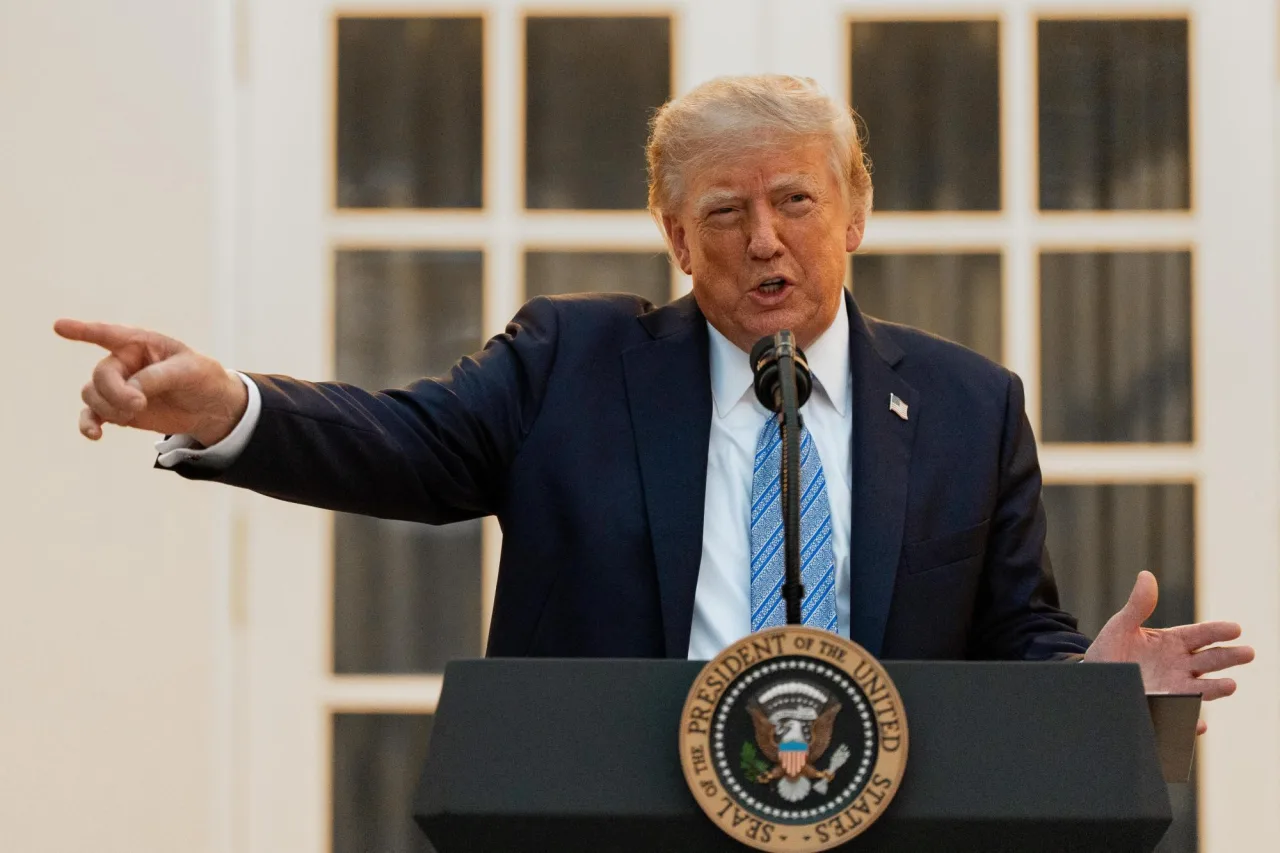
President Donald Trump announced on Friday, September 18, 2026, that he is banning CNN, MSNOW, and Politico from the White House, calling their coverage "FAKE NEWS" and vowing to expand restrictions to other outlets. The decision, made via a Truth Social post, marks the latest escalation in Trump’s long-standing conflict with media organizations he deems hostile to his administration.
Immediate Ban and Rationale
Trump’s announcement, described as "effective immediately," accused the targeted outlets of "constantly write or report FICTION and LIES" about his presidency. The president specifically targeted MSNOW, a network formerly known as MSNBC, which he claimed had "lack of viewership and credibility." He also criticized Politico for receiving an "illegal and ridiculous $8 Million Dollar subscription" from the U.S. government under former President Joe Biden, calling it "corruption."
The move aligns with Trump’s pattern of using social media to announce policy shifts and retaliate against media outlets. In a prior incident in February 2025, he barred Associated Press journalists from White House events after the outlet refused to adopt his proposed name change for the Gulf of Mexico. That dispute led to a legal battle, with an appeals court later siding with the administration.
Legal and Constitutional Implications
The ban raises immediate questions about its legal boundaries. It remains unclear whether the restriction applies to all employees of the affected outlets or only specific journalists. The BBC noted that "it is unclear what exactly a ban would entail," while legal experts predict challenges from the media organizations and press freedom advocates.
Trump’s actions have historically tested First Amendment protections. Since returning to office, he has pursued lawsuits against outlets including The New York Times, The Wall Street Journal, and the BBC. The current ban could trigger new litigation, as it directly impacts access to the White House, a space traditionally open to accredited journalists.
Media Reactions and Financial Impact
The decision was widely reported across global outlets, with headlines emphasizing Trump’s rhetoric against "fake news." The Post Millennial highlighted the ban as part of a broader trend of "cancel culture" targeting media outlets, while Hindustan Times noted the lack of specific examples provided by Trump to justify the restrictions.
Financial markets reacted to the news, particularly for Versant Media, the parent company of MSNOW. Shares fell nearly 5% on Friday, according to in.investing.com, amid concerns over the outlet’s access to White House coverage. The stock drop underscores the potential economic consequences of political disputes involving media conglomerates.
| Detail | Information |
|---|---|
| Outlets Banned | CNN, MSNOW, Politico |
| Effective Date | September 18, 2026 (immediate) |
| Trump’s Claims | Accusations of "FAKE NEWS," "FICTION," and "LIES" in coverage |
| MSNOW Context | Previously known as MSNBC; Trump cited "lack of viewership and credibility" |
| Politico Allegation | Claimed to have received $8 million in government funding under Biden |
| Stock Impact | Versant Media shares fell 5% on September 18, 2026 |
Prior Conflicts and Future Outlook
Trump’s history of restricting media access includes a 2025 dispute with the Associated Press, which led to a protracted legal battle. The current ban could further strain relations between the administration and outlets that have consistently covered his policies. The Post Millennial noted that Trump’s move "will likely result in more legal challenges," echoing concerns from press freedom groups.
The White House did not immediately respond to requests for comment on the ban, according to CNBC. Meanwhile, the targeted outlets have not issued public statements, though they are expected to address the issue in the coming days.
Frequently Asked Questions
What exactly does the ban entail?
The specifics of the ban remain unclear. It is unknown whether it applies to all employees of the affected outlets or only certain journalists. The White House has not provided detailed guidelines on enforcement.
Why is this controversial?
The ban tests constitutional First Amendment protections for press access to government institutions. Legal experts anticipate challenges from the media outlets and advocacy groups, who argue that restricting access violates fundamental freedoms.
What are the potential consequences?
The move could lead to lawsuits, further polarizing the relationship between the administration and media. Financial markets have already reacted, with Versant Media’s stock dropping 5% on the day of the announcement.
The next critical development will likely involve legal responses from the banned outlets and broader implications for press access under the Trump administration. As Trump warned, "Other Fake News Media Outlets to follow," the situation remains fluid and subject to rapid updates.
How significant is this wire dispatch?
Cast your anonymous vote to register reader consensus across journalism and intelligence sectors.
Dateline Wire is dedicated to independent, evidence-backed reporting. This briefing was synthesized from primary source reporting, corroborated across independent newsrooms, and verified against our Editorial Standards.