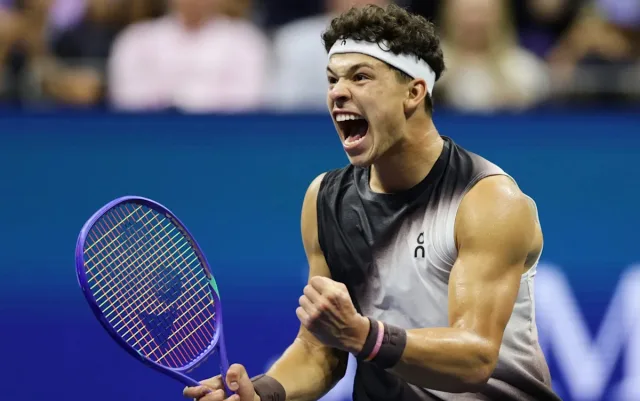
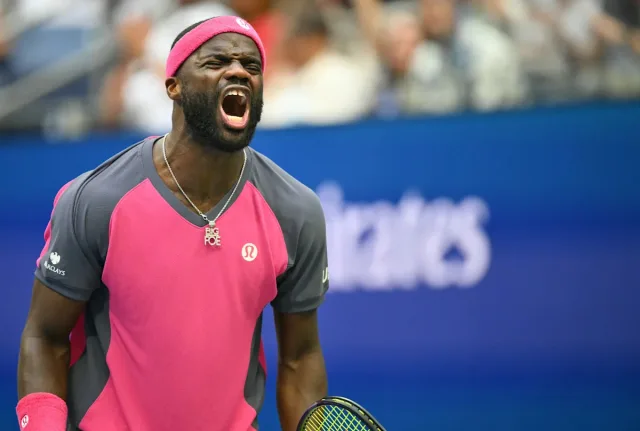
Alexander Zverev beats Ben Shelton to win 2026 US Open title
Alexander Zverev captured his second Grand Slam title of 2026 by overcoming Ben Shelton in four sets. The victory extends the drought for American men while marking a historic final appearance for Shelton.
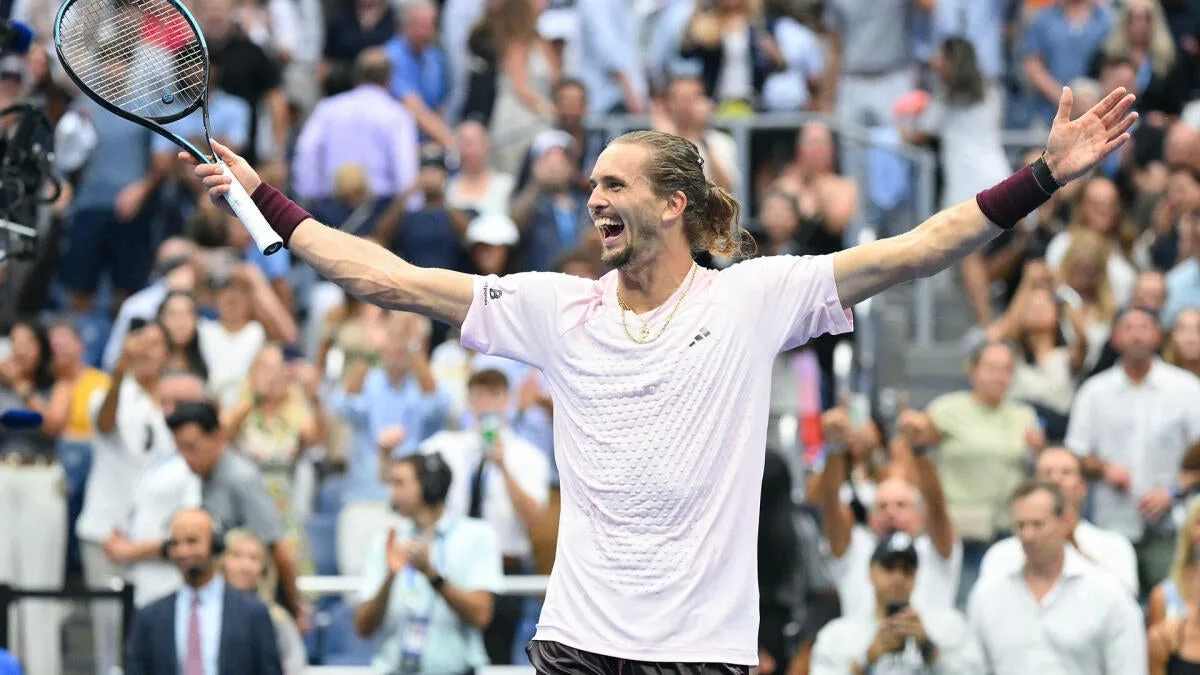
Zverev Overcomes Shelton in Four Sets to Claim Second Grand Slam Title
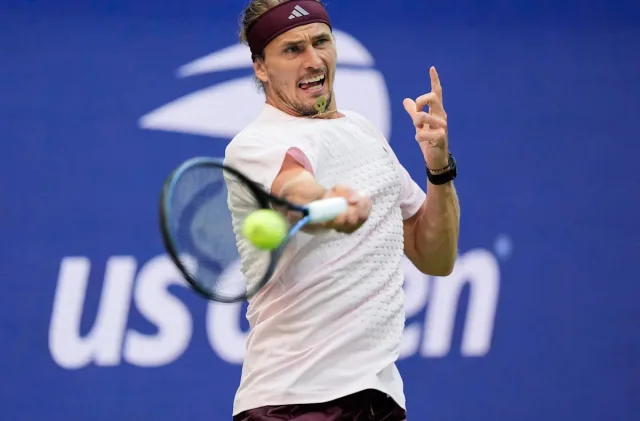
Alexander Zverev secured his second Grand Slam title at the 2026 US Open, defeating American Ben Shelton 6-3, 7-6 (7/2), 5-7, 6-2 in a hard-fought final that extended the 23-year drought for American men in men’s singles. The German, who had previously lost the 2020 final to Dominic Thiem, finally broke through in the majors, ending a decade-long wait for a European champion at Flushing Meadows.
The match, played under the lights of Arthur Ashe Stadium, was a test of endurance and composure. Zverev, the No. 1 seed, capitalized on Shelton’s early nerves, seizing the first set with a combination of powerful serves and precise returns. Shelton, the eighth seed and the first Black American man to reach a US Open final since 1972 (per Chicago Tribune), fought back in the third set, breaking Zverev’s serve for the first time in 67 games and forcing a fourth set.
| Detail | Information |
|---|---|
| Match Score | 6-3, 7-6 (7/2), 5-7, 6-2 |
| Zverev’s Grand Slam Titles | Second (French Open 2026, US Open 2026) |
| American Men’s Grand Slam Drought | 23 years (last winner: Andy Roddick, 2003) |
| Shelton’s Historic Milestone | First Black American man in US Open final since 1972 (Chicago Tribune) and since 1996 (CBS Sports) |
Shelton’s Comeback and Zverev’s Resilience
Shelton, 23, had already made history by defeating defending champion Carlos Alcaraz in a five-set quarterfinal that ended at 3:33 a.m. ET, the latest finish in US Open history. His semi-final victory over compatriot Frances Tiafoe further cemented his status as a rising star. However, Zverev’s experience in high-stakes matches proved decisive. The German, who had previously lost a two-set lead in the 2020 final, maintained his composure after Shelton’s third-set breakthrough.
“I have no idea why [I bounce the ball so much],” Zverev said, referencing his pre-serve ritual that drew complaints from Shelton. “I don’t do it on purpose.” The German’s ball-bouncing, which reportedly reached 12,000 times during the tournament, disrupted Shelton’s rhythm, particularly in the second set. Zverev’s tiebreak mastery in the second set—culminating in a 7-2 victory—sealed his advantage, though Shelton’s third-set surge kept the match alive.
Zverev’s fourth-set dominance was unrelenting. After breaking Shelton’s serve in the opening game, he served to victory with a 139 mph ace, sealing the title with a final serve that Shelton returned long. The German, who had struggled to celebrate his win immediately, only realized he had triumphed after retreating to the baseline, mistaking the final point for a routine return.
Shelton’s Legacy and Zverev’s Legacy
Shelton’s run, though ending in heartbreak, marked a turning point for American tennis. He became the first Black American man to reach a Grand Slam final since 1996 (CBS Sports) and the first to challenge the 23-year drought. His father, Brian Shelton, a former pro, was present to offer support, mirroring Zverev’s own familial connection to the sport.
Zverev, meanwhile, solidified his status as a premier tennis star. The German, who won $5.5 million for his victory, improved to 25-2 in major matches this year and extended his 6-0 record against Shelton. His triumph followed a French Open title and a Wimbledon final appearance, making him a strong contender for ATP Player of the Year.
“We went thirty years without winning a Grand Slam title, and now we’ve won two in a few months,” Zverev said, acknowledging the support of his team and his mother, who had inspired him after his Type 1 diabetes diagnosis at age four.
Shelton’s Reaction and the Crowd’s Support
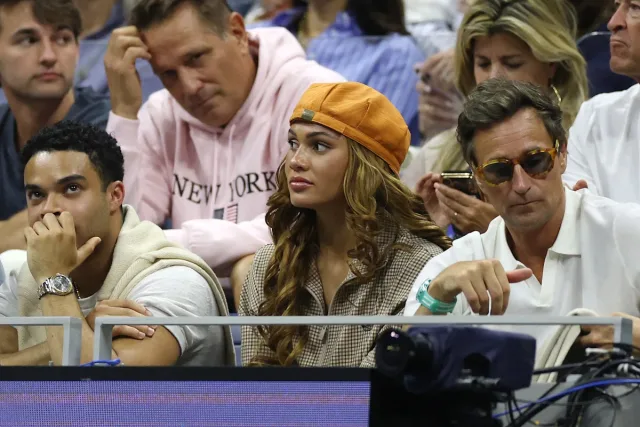
The Arthur Ashe Stadium crowd, which included celebrities like Brad Pitt, Lin-Manuel Miranda, and tennis legends Stan Smith and Martina Navratilova, rallied behind Shelton throughout the match. Despite the German’s dominance, the American’s resilience in the third set briefly reignited hopes of a historic upset.
Shelton, who had previously called the US Open “my happy place,” expressed gratitude to his “squad,” including his girlfriend, Trinity Rodman, and his coach, Brian Shelton. “This is my happy place, and I wish this tournament never ended,” he said, before offering condolences to his father and congratulations to Zverev.
Zverev, who had previously lamented his 2020 final loss, finally exorcised his demons in 2026. His victory not only ended a personal drought but also underscored his evolution into one of the sport’s most consistent contenders.
Frequently Asked Questions
How long had American men gone without a Grand Slam title before Zverev’s win?
The 23-year drought for American men in men’s singles ended with Zverev’s 2026 US Open victory. The last American man to win a Grand Slam title was Andy Roddick in 2003.
What was significant about Ben Shelton’s run in the 2026 US Open?
Shelton became the first Black American man to reach a US Open final since 1972 (Chicago Tribune) and the first since 1996 (CBS Sports). He also defeated defending champion Carlos Alcaraz in a five-set quarterfinal, the latest finish in US Open history.
How many Grand Slam titles does Alexander Zverev now have?
Zverev won his second Grand Slam title in 2026, following his French Open victory earlier that year. He has now won two majors in the same calendar year for the first time in his career.
The 2026 US Open final will be remembered as a clash of generations, with Zverev’s experience prevailing over Shelton’s youthful promise. As the tennis world turns its attention to the next season, the question remains: Can Shelton build on this historic run, or will Zverev continue to dominate the majors? The answer, like the match itself, may come down to who can handle the pressure when it matters most.
Dateline Wire is dedicated to independent, evidence-backed reporting. This briefing was synthesized from primary source reporting, corroborated across independent newsrooms, and verified against our Editorial Standards.