US Open: Elena Rybakina dethrones Aryna Sabalenka, again, to win third G…
Elena Rybakina has claimed her third Grand Slam title and the top WTA ranking after a thrilling three-set victory over Aryna Sabalenka at the US Open.
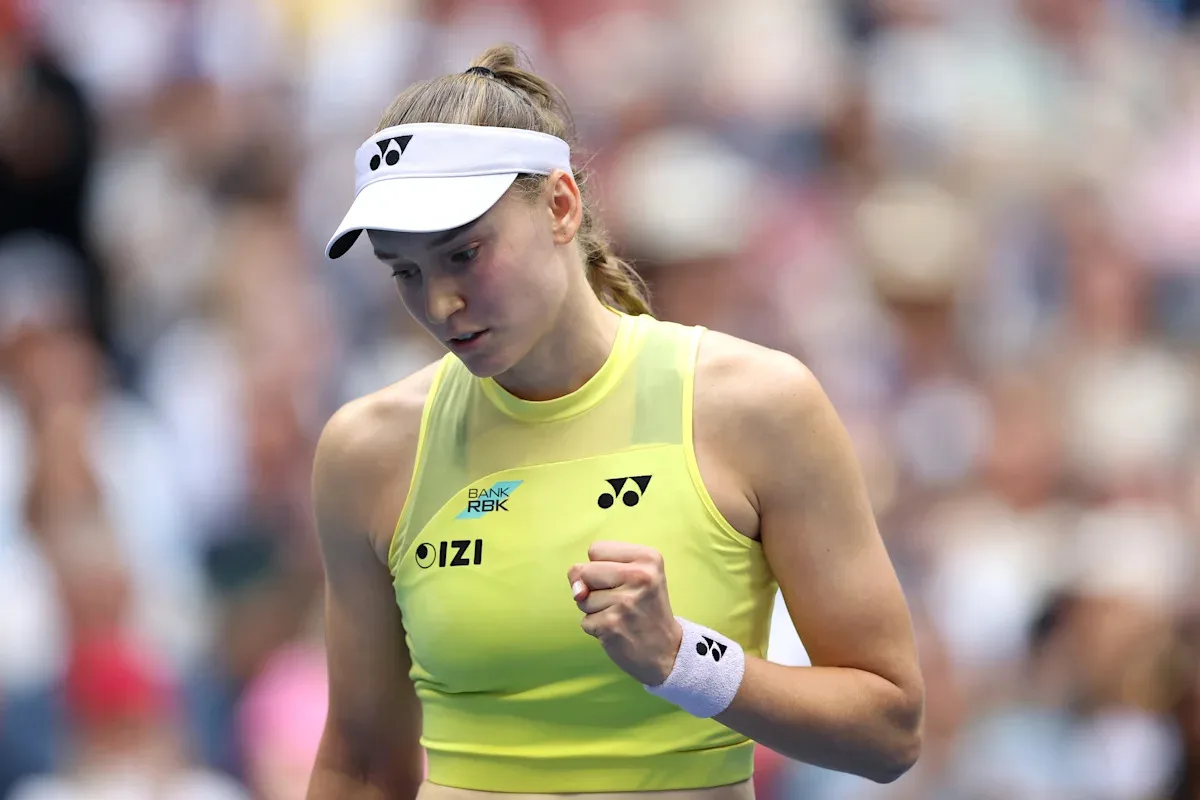
Rybakina’s Resilience and Sabalenka’s Heartbreak in US Open Final
Elena Rybakina etched her name into tennis history on September 12, 2026, as she dethroned Aryna Sabalenka in a thrilling US Open final, securing her third Grand Slam title and the world No. 1 ranking. The Kazakhstani star, who entered the tournament with a lingering foot injury, overcame a challenging match against the two-time defending champion, who aimed to become the first woman since Serena Williams to achieve a three-peat at Flushing Meadows. The 6-4, 5-7, 6-2 victory not only marked Rybakina’s first US Open title but also solidified her status as the sport’s new top player.| Detail | Information |
|---|---|
| Match Score | 6-4, 5-7, 6-2 |
| Prize Money | Rybakina: $5.5 million; Sabalenka: $2.8 million |
| Rankings | Rybakina: New world No. 1; Sabalenka: 99-week reigning No. 1 |
| Aces | Rybakina: 12; Sabalenka: 5 |
Historic Context and Career Milestones
Rybakina’s victory is a landmark achievement, not only for her career but for the broader narrative of women’s tennis. The 27-year-old Kazakhstani player now holds three Grand Slam titles, with only the French Open remaining to complete a career Grand Slam. Her triumph also ends Sabalenka’s 19-match winning streak at the US Open, a streak that had included victories over Coco Gauff, Jessica Pegula, and Amanda Anisimova. Sabalenka, who had been the world No. 1 for 99 consecutive weeks, expressed her disappointment in the post-match interview, stating, “This is the last thing I wanted to do today, a speech.” Despite the loss, she praised Rybakina’s performance, acknowledging the difficulty of competing against her. “It’s so difficult to play against you,” Sabalenka said, adding, “I wish I could perform a little better, but maybe next year.” Rybakina, meanwhile, credited her team and the support of the New York crowd for her success. “I’m falling in love with New York more and more,” she said, reflecting on her first US Open title. The win also is a notable shift in the WTA rankings, with Rybakina set to overtake Sabalenka as the new No. 1 on Monday, September 14, 2026.Match Highlights and Tactical Breakdown
The final was a masterclass in tactical adjustments. Rybakina’s ability to neutralize Sabalenka’s strengths, particularly her second serve, was pivotal. Sabalenka, who had dominated opponents by targeting weak returns, found herself on the back foot as Rybakina’s return game disrupted her rhythm. In the first set, Rybakina’s 27% first-serve accuracy contrasted sharply with Sabalenka’s 68% return win rate, but the Kazakhstani player’s precision on second serves and her ability to keep the ball in play ultimately tilted the momentum. The second set saw Sabalenka regain control, leveraging her aggressive play to take the set 7-5. However, Rybakina’s resilience shone through as she broke Sabalenka’s serve in the third set, capitalizing on the Belarusian’s unforced errors. Sabalenka, who committed 15 unforced errors in the final set compared to Rybakina’s five, appeared increasingly frustrated, smashing her racket in the eighth game after a missed forehand. Rybakina’s 12 aces in the match, including the decisive second match point, highlighted her serve’s importance. Despite her injury, she maintained a high level of performance, showcasing her ability to adapt under pressure. The match also underscored the evolving dynamics between the two players, with Rybakina now holding a 8-7 career edge over Sabalenka, including a 5-2 record in tournament finals.Frequently Asked Questions
Frequently Asked Questions
Why was this win significant for Rybakina?
Rybakina’s victory marked her third Grand Slam title and her first US Open crown, cementing her status as the new world No. 1. It also completed her set of hard-court majors, with wins at the Australian Open and Wimbledon, and brought her one step closer to a career Grand Slam.
What was the prize money for the winners?
Rybakina earned $5.5 million for her victory, while Sabalenka received $2.8 million. This was the largest prize in Grand Slam history at the time.
How did Rybakina manage her injury during the match?
Rybakina entered the tournament with a foot injury but credited her team and preparation for helping her overcome the challenges. She stated, “Everything aligned” during the match, suggesting a combination of physical resilience and strategic adjustments.
Dateline Wire is dedicated to independent, evidence-backed reporting. This briefing was synthesized from primary source reporting, corroborated across independent newsrooms, and verified against our Editorial Standards.