Jordan carries out deadly strike in Syria in retaliation for church attack
Jordanian air force jets struck targets in Syria in retaliation for a mass shooting at a church in Karak that killed nine people.
- Headline: Jordan carries out deadly strike in Syria in retaliation for church attack
- Dispatch Summary: Jordanian air force jets struck targets in Syria in retaliation for a mass shooting at a church in Karak that killed nine people.
- Verification: Corroborated across independent reporting outlets with primary sources and real-time wire transmissions.
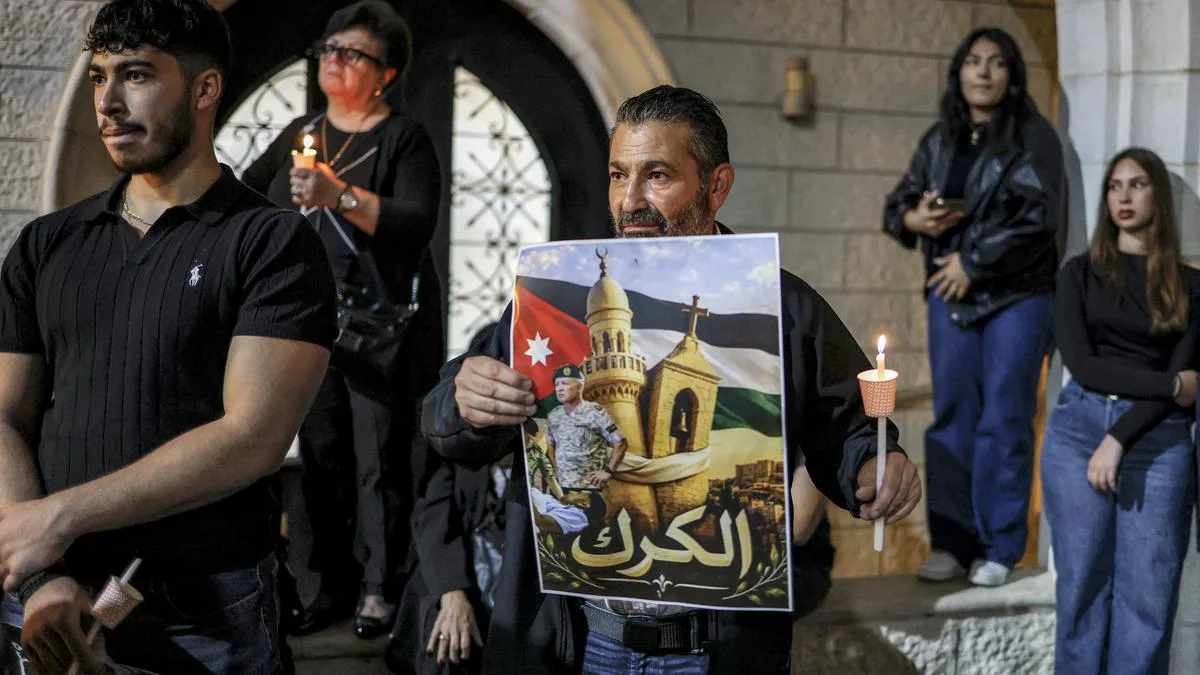
Jordanian air force jets struck targets in neighboring Syria on Monday, October 26, 2026, destroying several militant positions and vehicles in retaliation for a mass shooting at a Christian funeral last week. The military operation came just hours after security forces arrested three local suspects accused of carrying out the attack on the Greek Orthodox St. George’s Church in the southern Jordanian city of Karak on Friday, October 23, 2026, which left nine people dead and more than two dozen wounded. Syrian authorities reported civilian casualties from the retaliatory raids, with health officials in Daraa province stating that five people, including women, children, and an elderly man, were killed. Syria’s civil defence agency put the total death toll at seven across Daraa and neighboring Sweida provinces, adding that an 80-year-old man and a 60-year-old man died in separate strikes.
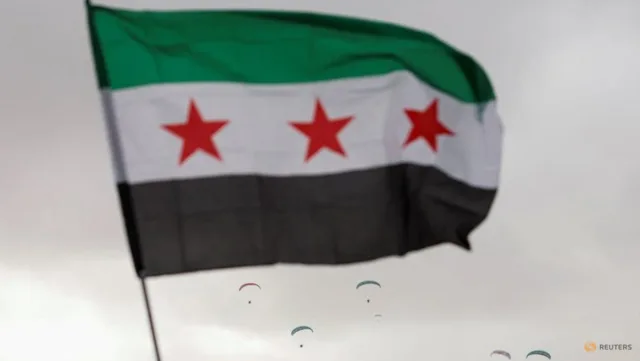
That immediate cross-border escalation plunges Amman and Damascus into a sudden diplomatic crisis over military coordination. While the Jordanian armed forces stated that the operation was conducted in coordination with Damascus, the Syrian government issued a contradictory account, saying it had not been notified of Monday's attack and had launched an investigation. In response to the strikes, Syria announced the complete suspension of passenger and commercial traffic at the Nassib border crossing, closing the sole land link between the two countries to ensure traveler safety. This leaves regional transit severed while Syrian officials maintain they have opened direct communication channels with Amman to establish the circumstances of the raids.
Suspects Cornered and Arrested in Karak
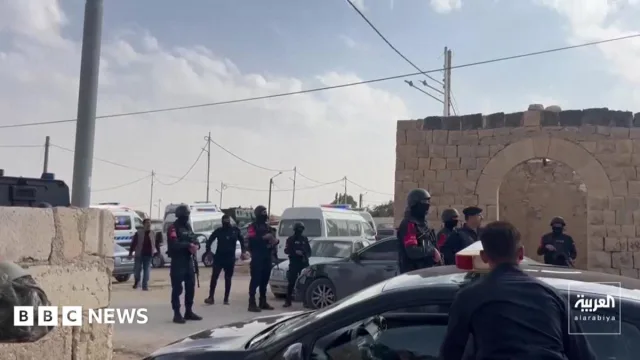
Hours before the airstrikes, Jordanian authorities cornered the three suspected attackers in an abandoned house in Karak where they had barricaded themselves. Major General Abdullah al-Maaytah, Jordan’s director of public security, identified the detainees during a Monday press conference as brothers Hazza Zaidan Mohammed and Meshal Zaidan Mohammed, along with their brother-in-law Ahmad Sami Hussein. All three are Jordanian nationals who opened fire on security forces before being wounded in the dawn shootout and taken to the hospital for treatment. Interior Minister Mazen al-Faraya told state-affiliated television that the attackers had been holed up in a building in one of the villages near the site of the attack
and confirmed there was no indication of external contacts or foreign collaboration. Under Jordanian law, murder is punishable by death by hanging, and security forces seized a large cache of weapons and ammunition from the hideout.
The domestic profile of the suspects points to a domestic extremist threat rather than an international conspiracy, yet it lays bare the vulnerability of Jordan's religious minorities. Major General Obaidallah Abd Rabbo Al-Maayta described the gunmen as takfiri
—a term for Sunni militants who brand others apostates—while emphasizing that they were not tied to any organized group and only represent themselves.
Interior Minister al-Faraya warned that the shooting stemmed from extremist thinking that must be resolved to prevent future incidents. That leaves the government facing the challenge of containing isolated radicalization within a country where Christians comprise between two and three percent of the population and houses of worship are rarely targeted.
Mourning and National Outcry
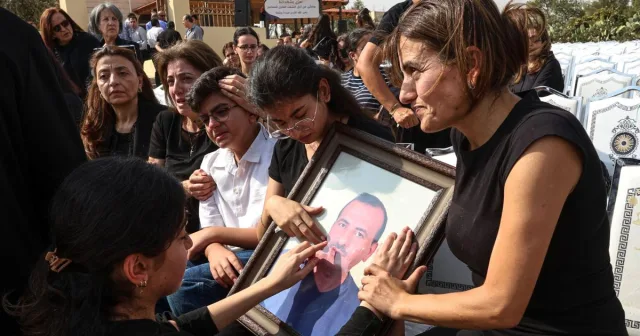
The church attack devastated the community in Karak, located about 55 miles, or 90 kilometers, south of the capital, Amman. Prime Minister Jafar Hassan ordered a three-day period of national mourning with flags flown at half-mast, while eight of the nine victims were laid to rest on Sunday, October 25, 2026, in a large funeral drawing huge crowds and heavy security. The ninth victim, Mohammed al-Qasous, was buried in south Amman on Monday, October 26, 2026. King Abdullah II visited wounded survivors in the hospital while dressed in military fatigues and carrying a pistol, writing in a post on X that security forces chased them to the very end
and vowing that no proponent of dark ideologies that divide Jordanians will be tolerated.
Government Communications Minister Mohammad al-Momani reinforced that stance, stating that authorities stand ready and will strike with an iron fist, without mercy or leniency, against anyone who attempts to undermine Jordan’s security.
For grieving families, the swift arrests offered a measure of solace amid profound trauma. Despite the profound and immense tragedy, what happened today has eased our grief, and the grief of the Jordanian people – not just for us, the families of the martyrs,
Khaled al-Borqan, a survivor and relative of three victims, told Al-Mamlaka. Fares Halaseh, an uncle of one of the victims and another survivor, added, Despite the sadness and pain, the news brought us joy,
while noting that the agony would remain for years to come.