Hours after Navi Pillay wins Nobel Peace prize, Trump hits ICC with swee…
The Trump administration imposed sweeping sanctions on the International Criminal Court, sparking a diplomatic crisis hours after former judge Navi Pillay won the Nobel Peace Prize.
- Headline: Hours after Navi Pillay wins Nobel Peace prize, Trump hits ICC with swee…
- Dispatch Summary: The Trump administration imposed sweeping sanctions on the International Criminal Court, sparking a diplomatic crisis hours after former judge Navi Pillay won the Nobel Peace Prize.
- Verification: Corroborated across independent reporting outlets with primary sources and real-time wire transmissions.
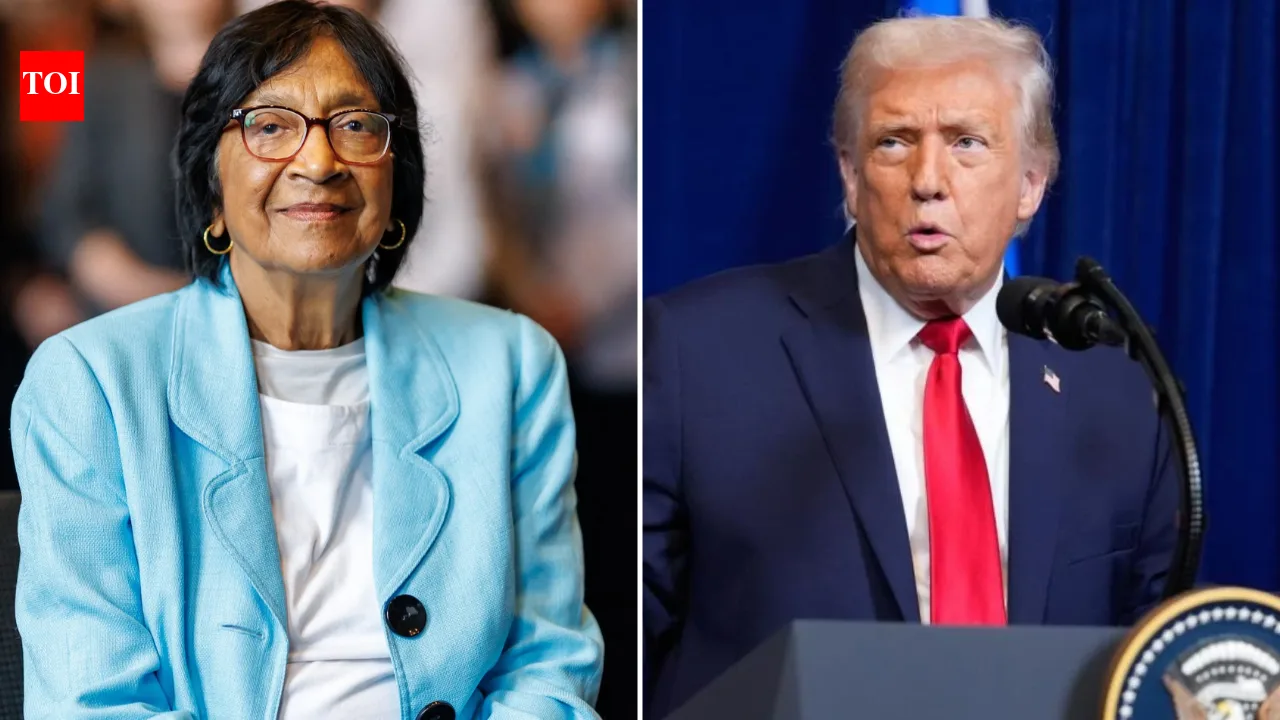
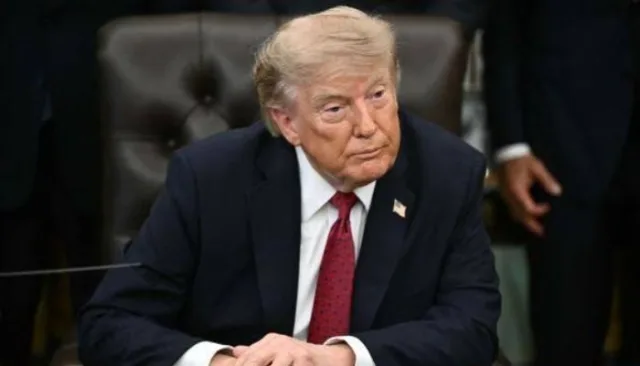
The Donald Trump administration imposed sweeping sanctions on the International Criminal Court on Friday, creating a direct collision with international justice institutions just hours after former court judge Navi Pillay was awarded the Nobel Peace Prize. US Secretary of State Marco Rubio announced the measures in a video posted on X, stating that Washington is barring all transactions with the Hague-based tribunal to cut off its resources and cripple its operations. The action marks an unprecedented escalation in Washington's campaign against the court, moving past previous penalties aimed at individual judges and prosecutors to target the institution itself.
That escalation leaves the 125-member tribunal, its European allies, and international legal advocates scrambling to defend the global legal order against an American administration determined to dismantle it. While US officials argue the court represents a rogue body overstepping its sovereignty by threatening to prosecute American citizens, military members, and allied leaders, court officials warn the financial blockade is an assault on the rule of law. The stark divergence between Washington's pursuit of national power and the court's insistence on universal accountability sets the stage for a profound diplomatic crisis.
Why is Washington targeting the court directly now?
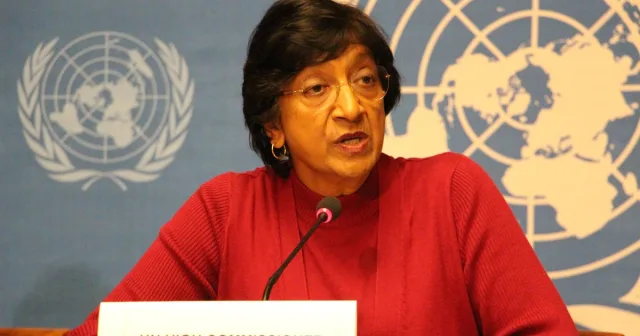
The timing of the sanctions coincided with the Nobel Peace Prize announcement in Oslo, where committee chairman Jørgen Watne Frydnes honored 85-year-old South African jurist Navi Pillay for her efforts to promote international law and ensure war crimes, crimes against humanity, and genocide are prosecuted. Pillay, who served as an ICC appeals judge from 2003 to 2008 and previously headed a UN commission that concluded Israel committed genocide in Gaza, warned from Nuremberg, Germany, that such attacks endanger decades of progress since Nuremberg and risk returning the world to a system where power dictates whose suffering matters.
Washington's grievances extend across years of friction involving both Republican and Democratic administrations refusing to join the 2002 Rome Statute. Tensions spiked sharply when the ICC issued arrest warrants for Israeli Prime Minister Benjamin Netanyahu and former defense minister Yoav Gallant, and when prosecutors previously opened investigations into US troops in Afghanistan. Rubio delivered a speech in Athens, Greece, calling on Western nations to join the US in the unapologetic pursuit of national power over global bureaucratic bodies. Rubio stated in his announcement that the United States had delayed sanctions hoping member states would address American concerns, warning that either the ICC will end its threats, or we will end the ICC
unless allies rein in the court.
How can the tribunal survive a total financial blockade?
Standard US sanctions bar all American-based companies from conducting any work with a designated organization, a mechanism that forces banks to shut accounts, insurers to cancel coverage, and software providers to halt cooperation. To counter this threat, court officials have spent months preparing for potential institutional sanctions. The registrar, Osvaldo Zavala Giler, called for the European Union to activate a blocking mechanism designed to shield European entities from extraterritorial sanctions, while court staff shifted office computers away from Microsoft software toward open-source alternatives and rearranged banking and health insurance agreements.
| Official / Institution | Role / Affiliation | Position on US Sanctions |
|---|---|---|
| Marco Rubio | US Secretary of State | Barring all transactions to cripple the court and protect US citizens and allies. |
| Nazhat Shameem Khan | ICC Deputy Prosecutor | Condemning the measures as an attempt to undermine international law and disrupt operations. |
| Osvaldo Zavala Giler | ICC Registrar | Preparing defensive measures and urging EU blocking mechanisms to protect operations. |
Despite these administrative preparations, the tribunal faces severe operational strain as major service providers cut ties. The court's leadership remains defiant, however, insisting that its investigations across all situations will proceed without interruption.
What does this mean for international allies and legal observers?
The sanctions place European allies in an acute diplomatic bind. All European Union members and most NATO countries belong to the ICC, yet many of those same nations rely heavily on American service members for their defense. Rubio made that dependence explicit, stating that Washington expects European allies to rein in the court or face continued US efforts to dismantle the tribunal piece by piece. The court itself accused Washington of attempting to obstruct the course of justice, issuing a statement declaring that history will judge this moment.
Meanwhile, the US Treasury plans to issue temporary licenses to protect American interests, though full details of these exemptions remain unannounced. Whether European capitals choose to deploy blocking legislation or quietly pressure the tribunal to limit its scope will determine whether the court can withstand the financial pressure.
What steps should observers and institutions watch next?
As the conflict develops, affected institutions, legal professionals, and international observers should monitor several specific milestones:
- Watch for the formal release of US Treasury licenses detailing temporary exemptions for specific transactions.
- Monitor whether the European Union implements its blocking mechanism to protect European banking and software providers from US penalties.
- Track responses from the 125 member states party to the Rome Statute regarding whether they will negotiate a solution acceptable to Washington.
- Observe ongoing ICC proceedings and investigations to see if prosecutors are able to maintain case timelines despite frozen resources.
The immediate burden now rests on European capitals to decide whether to shelter the Hague-based tribunal or yield to American demands for its dismantlement.