Swiss voters reject stricter neutrality rules that would curb NATO coope…
Over 70% of Swiss voters rejected a right-wing initiative to enshrine stricter neutrality rules, preserving the country's current sanctions and NATO cooperation policies.
- Headline: Swiss voters reject stricter neutrality rules that would curb NATO coope…
- Dispatch Summary: Over 70% of Swiss voters rejected a right-wing initiative to enshrine stricter neutrality rules, preserving the country's current sanctions and NATO cooperation policies.
- Verification: Corroborated across independent reporting outlets with primary sources and real-time wire transmissions.
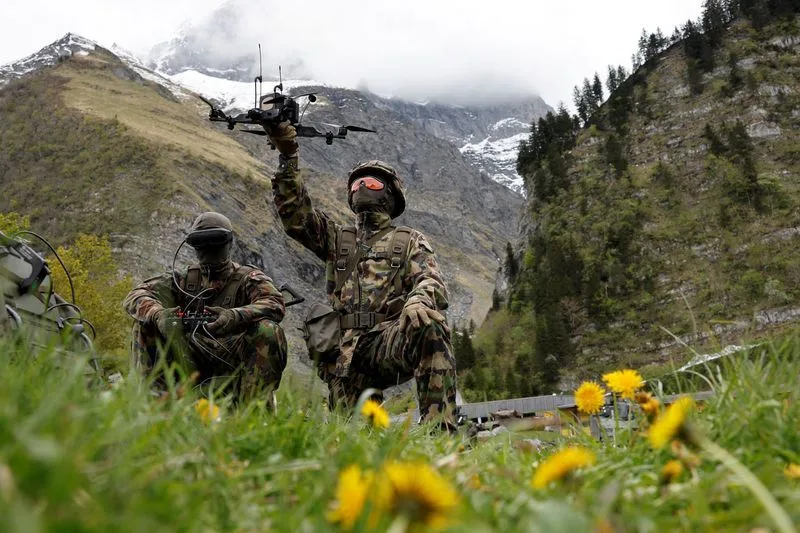
Swiss voters on Sunday decisively rejected a proposal to adopt a more restrictive form of neutrality that would have curbed their country’s ability to impose economic sanctions or cooperate with NATO, according to multiple news outlets. The initiative, promoted by the right-wing Swiss People’s Party (SVP) and backed by billionaire Christoph Blocher, sought to define neutrality as “perpetual and armed,” requiring Switzerland to avoid joining military alliances or sanctioning warring states unless approved by the United Nations.
Referendum Outcome: Overwhelming Rejection of Stricter Neutrality
Final projections from state broadcaster SRF and the Federal Statistical Office indicated that over two-thirds of voters opposed the initiative, with about 70% rejecting the proposal. The measure failed to secure the required support from the majority of Switzerland’s cantonal constituencies, effectively ending its chances of passage. Al Jazeera reported that 71% of voters cast ballots against the initiative, while The Guardian cited 70% as the margin of defeat. Thestar.com.my and CNBC both noted “more than two-thirds” voting no, aligning with the broader consensus across outlets.
The campaign, which featured posters urging voters to “No war, yes to neutrality,” emphasized the SVP’s argument that Switzerland’s traditional neutrality had been eroded by sanctions against Russia following its invasion of Ukraine in 2022. Proponents claimed the move would reaffirm Switzerland’s historical role as a neutral mediator, citing its 200-year streak of peace and its ability to “offer its good offices” in conflicts. However, opponents argued that the proposal would isolate Switzerland and weaken its security posture.
| Detail | Information |
|---|---|
| Percentage against initiative | 70% (The Guardian), 71% (Al Jazeera), over two-thirds (Thestar.com.my, CNBC) |
| Initiative goal | Define neutrality as “perpetual and armed,” restricting sanctions and NATO cooperation |
| Supporters | Swiss People’s Party (SVP), billionaire Christoph Blocher |
| Opponents | Swiss government, most political parties, Foreign Minister Ignazio Cassis |
SVP’s Campaign: A Fight for Traditional Neutrality
The SVP, Switzerland’s largest party, framed the initiative as a defense of the country’s centuries-old neutrality, which has been recognized since the end of the Napoleonic Wars in 1815. The party’s lawmakers, including SVP representative Lukas Reimann, argued that the government’s adoption of EU sanctions against Russia had undermined Switzerland’s neutral status. Reimann stated that the SVP would “judge the opponents of the initiative by that commitment” and remain vigilant if future policies deviated from strict neutrality.
Christoph Blocher, a billionaire businessman and SVP backer, warned that Switzerland’s current approach risked making it a “party to the conflict” in the eyes of Russia. He cited the country’s 200-year history of peace as a rationale for stricter rules, claiming that neutrality had “been followed less and less in recent years.” However, his campaign faced criticism for appearing to align with Russian interests, particularly after Moscow praised the initiative as a step toward restoring “true neutrality.”
Opposition Concerns: Security Risks and International Isolation
The Swiss government and nearly all major political parties opposed the initiative, warning that it would weaken the country’s security and diplomatic standing. Foreign Minister Ignazio Cassis argued that the proposal would “harm national security” by restricting Switzerland’s ability to train with NATO, a partnership that has existed for 30 years despite the country’s non-membership. The Green Party’s Sibel Arslan condemned the SVP’s vision as an attempt to “isolate Switzerland internationally and shirk its responsibilities when international law is being trampled on.”
Analysts noted that the referendum centered on how Switzerland should balance its neutrality with evolving geopolitical challenges. Fabio Wasserfallen, a professor of European politics at the University of Bern, observed that voters approved of the government’s current implementation of neutrality, including its support for sanctions against Russia. “The people have spoken: they accept that neutrality is an instrument that can evolve,” he said, highlighting the public’s willingness to adapt the principle to contemporary realities.
International Reactions: A Relief for European Unity
The outcome was welcomed across Europe, where tensions over sanctions against Russia have strained EU cohesion. The Guardian noted that Switzerland’s rejection of the initiative would ease concerns about the country’s role in maintaining sanctions against Moscow. According to The Guardian, Russia’s foreign ministry praised the initiative, while criticizing Switzerland’s adoption of EU sanctions and claiming the country was abandoning neutrality.
The vote also underscored the complexity of Switzerland’s neutrality, which has never been formally defined in the constitution. While the country has historically avoided military alliances, it has maintained pragmatic cooperation with NATO on security matters. The SVP’s push for a stricter definition reflected broader debates over whether neutrality should remain a flexible principle or be codified into law.
Frequently Asked Questions
What did the rejected initiative aim to achieve?
The proposal sought to enshrine “perpetual and armed neutrality” in the Swiss constitution, requiring the country to avoid joining military alliances or imposing sanctions on warring states unless approved by the United Nations.
Why did the SVP support the initiative?
The SVP argued that Switzerland’s traditional neutrality had been eroded by sanctions against Russia and cooperation with NATO. They claimed the measure would reaffirm the country’s historical role as a neutral mediator and prevent it from being perceived as taking sides in conflicts.
What are the implications of the vote for Switzerland’s foreign policy?
The rejection preserves the government’s current flexibility to impose sanctions and cooperate with NATO, while maintaining Switzerland’s non-aligned status. It reflects public support for a pragmatic approach to neutrality that adapts to geopolitical challenges.
The SVP has stated it has no immediate plans for further action, but the party’s leaders have indicated they will monitor future government decisions on neutrality. With the next major political test likely to come in the 2027 federal elections, the debate over Switzerland’s role in international affairs is far from over. For now, the referendum outcome signals a preference for maintaining the status quo, even as global tensions continue to test the limits of the country’s storied neutrality.
How significant is this wire dispatch?
Cast your anonymous vote to register reader consensus across journalism and intelligence sectors.
Dateline Wire is dedicated to independent, evidence-backed reporting. This briefing was synthesized from primary source reporting, corroborated across independent newsrooms, and verified against our Editorial Standards.