Reserve Bank of Australia raises cash rate to 4.6 per cent in September
The RBA has delivered its fourth rate hike of 2026 to combat persistent inflation and global energy shocks. Mortgage holders face higher repayments while savers benefit from higher deposit rates.
- Headline: Reserve Bank of Australia raises cash rate to 4.6 per cent in September
- Dispatch Summary: The RBA has delivered its fourth rate hike of 2026 to combat persistent inflation and global energy shocks. Mortgage holders face higher repayments while savers benefit from higher deposit rates.
- Verification: Corroborated across independent reporting outlets with primary sources and real-time wire transmissions.
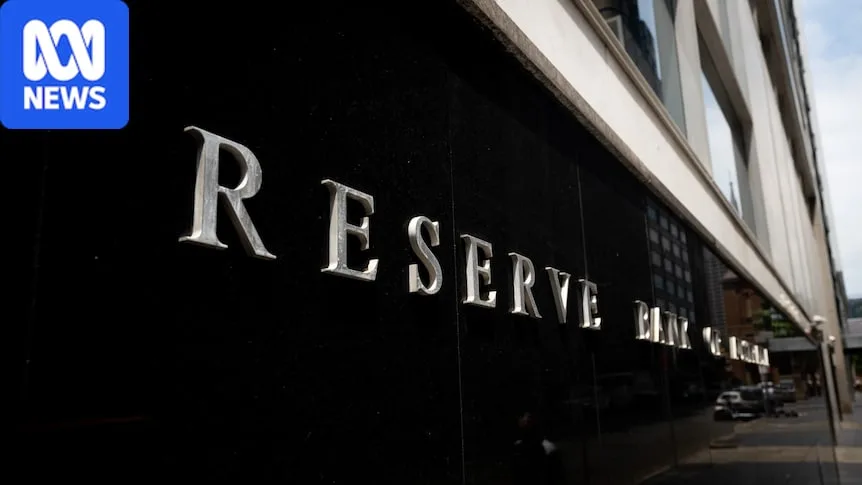
RBA Unanimously Raises Cash Rate to 4.6%
The Reserve Bank of Australia (RBA) delivered its fourth interest rate hike of 2026, raising the cash rate by 25 basis points to 4.60%, the highest level since October 2011. The decision, announced on Tuesday, marked the first increase since June and was unanimously supported by the Monetary Policy Board. The move aims to curb inflation, which remains above the central bank’s 2-3% target, and addresses rising global energy prices exacerbated by the Middle East conflict.
The RBA’s statement emphasized that inflation “is still too high” and that “a further tightening in financial conditions is warranted.” The central bank cited stronger-than-expected domestic economic growth and inflation, alongside elevated global energy costs, as factors necessitating the hike. This follows three previous increases in 2026, bringing cumulative tightening to 100 basis points.
Banks Pass on Hike, Savers Benefit
Australia’s major banks swiftly implemented the rate increase, with Macquarie Bank announcing immediate adjustments to variable home loan and savings rates. Effective October 15, transaction account rates rose from 2.75% to 3%, while savings accounts with balances under $250,000 saw rates climb to 5.25%. The RBA’s decision triggered a wave of responses from lenders, though the big four banks had not yet confirmed their actions as of the report.
The hike directly impacts mortgage holders, with a typical $600,000 loan facing an additional $100 monthly in repayments. For borrowers with existing rates above 6%, the increase could push some to “breaking point,” according to home loans expert Richard Whitten of Finder. Meanwhile, savers saw immediate benefits, as higher deposit rates began accruing on existing accounts.
| Detail | Information |
|---|---|
| Cash Rate | 4.60% (up 25 basis points) |
| Number of Hikes in 2026 | 4 |
| Impact on $600,000 Mortgage | ~$100/month increase |
| Comparison to 2011 | 4.60% is the highest since October 2011 |
Economic Pressures and Future Outlook
RBA Governor Michele Bullock acknowledged the “pain” inflicted on households but stressed the necessity of the hike to stabilize inflation. “We have to do it,” she said, adding that the central bank’s focus remains on returning inflation to its 2.5% target. The decision came as the Australian economy showed signs of slowing, with unemployment rising to a five-year high of 4.6% and housing markets under pressure.
Economists remain divided on the path forward. While 90% of surveyed experts expect another hike by year-end, concerns about a potential 50 basis point increase—described as a “band-aid rip” by Housing Industry Association’s Tim Reardon—persist. The RBA’s next move will depend on inflation data, with the September quarter CPI release due soon. Analysts warn that further hikes could deepen the housing market downturn, which has already seen prices fall 6% this year.
The RBA’s focus on inflation has also drawn criticism from housing advocates, who argue that the central bank’s hawkish stance risks exacerbating affordability crises. “We’re less than halfway through the housing downturn,” said AMP’s Shane Oliver, noting that prices could fall further before stabilizing. Meanwhile, the federal government faces pressure to address cost-of-living challenges, with Treasurer Jim Chalmers attributing inflation to global factors like the Middle East conflict and rising oil prices.
Frequently Asked Questions
What is the significance of the 4.6% cash rate?
The 4.6% cash rate is the highest level in 15 years, marking the fourth increase of 2026. It reflects the RBA’s determination to curb inflation, which remains above its target range, and addresses global energy price shocks linked to the Middle East conflict.
How will this rate hike affect mortgage holders?
Mortgage holders face higher repayments, with a typical $600,000 loan costing an additional $100 monthly. Borrowers with existing rates above 6% are particularly vulnerable, as the hike could push some to financial distress.
Is another rate hike likely?
Yes. 48% of experts surveyed by Finder anticipate another hike before year-end, with some predicting a 50 basis point increase. The RBA’s decision to tighten financial conditions suggests further action is possible if inflation remains elevated.
The RBA’s next policy decision will be closely watched, with markets awaiting the September quarter CPI data and signs of economic resilience. For now, households and businesses face a prolonged period of high interest rates, as the central bank balances inflation control against the risk of a deeper economic slowdown. The path forward remains uncertain, with the outcome of the upcoming inflation report and global energy markets set to shape the next chapter of Australia’s monetary policy.
How significant is this wire dispatch?
Cast your anonymous vote to register reader consensus across journalism and intelligence sectors.
Dateline Wire is dedicated to independent, evidence-backed reporting. This briefing was synthesized from primary source reporting, corroborated across independent newsrooms, and verified against our Editorial Standards.