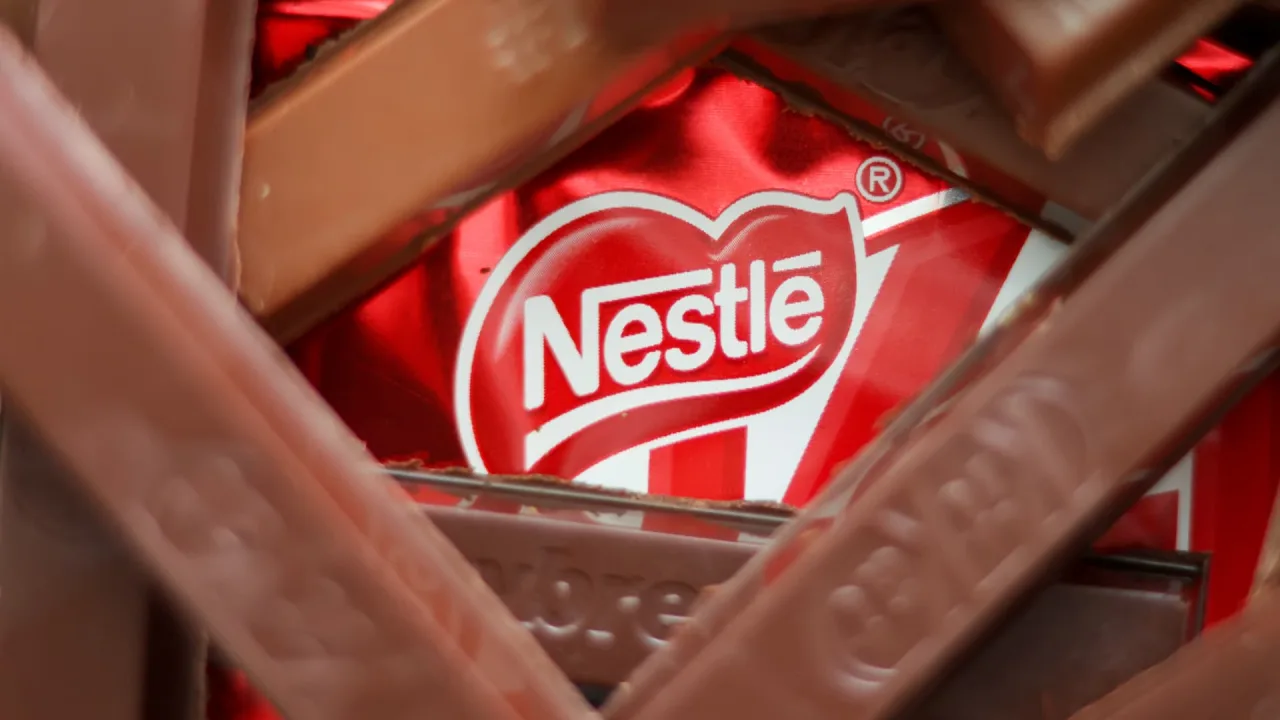
Nestle Weighs Options as Russia Places Local Assets Under State Control
Nestlé is assessing its options after a Russian presidential decree placed majority stakes in its Russian subsidiaries under state-linked administration. The move is part of Moscow's broader crackdown on Western corporate assets.
- Headline: Nestle Weighs Options as Russia Places Local Assets Under State Control
- Dispatch Summary: Nestlé is assessing its options after a Russian presidential decree placed majority stakes in its Russian subsidiaries under state-linked administration. The move is part of Moscow's broader crackdown on Western corporate assets.
- Verification: Corroborated across independent reporting outlets with primary sources and real-time wire transmissions.
Russian President Vladimir Putin's recent decree placing Nestlé's operations in the country under temporary administration has forced the Swiss food giant to evaluate its next steps, as Moscow intensifies its efforts to consolidate control over Western assets. The move, announced on 17 September 2026, marks the latest escalation in Russia's response to sanctions and geopolitical tensions, following a pattern of seizing stakes in foreign companies since the full-scale invasion of Ukraine in 2022.
Russian Decree Targets Nestlé Assets, Assigns Management to State-Linked Entity
The decree, signed by Putin on 17 September, transfers management of 84.082% of Nestlé Russia and 67.44% of Nestlé Kuban to L.E.V. Management, a Russian joint-stock company. The assets, owned by Société des Produits Nestlé and Nestlé Deutschland, are now under temporary external administration, a process that has historically preceded the sale or transfer of Western-owned businesses to Russian entities. A separate provision of the decree also places French retail group Auchan’s Russian subsidiary under similar control, alongside other Western-linked firms.
Nestlé stated it is "assessing the situation and its options" while reaffirming its commitment to protecting "the interests of all stakeholders, particularly its employees." The company emphasized its continued compliance with local regulations and fulfillment of obligations, despite the administrative shift. The decree also affects 15.918% of Nestlé Russia and 32.56% of Nestlé Kuban, held by Nestlé Deutschland, as well as 67.44% of Nestlé Kuban owned by Société des Produits Nestlé.
Broader Context of Kremlin Crackdown on Western Firms
The action against Nestlé aligns with a broader strategy by Moscow to tighten control over foreign businesses operating in Russia. Since 2023, the Kremlin has placed assets of companies like Danone, Carlsberg, and Finnish utility Fortum under temporary administration, often following requests from Russian entities. In 2024, Danone sold its Russian operations at a €1.2bn loss after its assets were seized, while Carlsberg’s stake in Baltika Breweries was similarly taken over.
French retailer Auchan and Lemano Pro, the rebranded former Leroy Merlin unit, were also targeted in the latest decree. Auchan’s Russian subsidiary, which employs 30,000 people across 230 stores, has not yet commented on the move, while Lemano Pro, operating 112 stores, stated it continues normal operations. The decree also affects two FM Logistic entities, though no public response was available from the company at the time of publication.
| Detail | Information |
|---|---|
| Ownership of Nestlé Russia | 84.082% held by Société des Produits Nestlé; 15.918% by Nestlé Deutschland |
| Ownership of Nestlé Kuban | 67.44% held by Société des Produits Nestlé; 32.56% by Nestlé Deutschland |
| Nestlé’s Russian Workforce | Approximately 7,000 employees |
| Revenue Contribution | ~1% of Nestlé’s total group sales (down from 2% pre-war) |
Impact on Operations and Employee Security
Nestlé has maintained that it continues to operate its offices and factories in Russia, supplying essential products while suspending non-essential activities such as advertising, imports, and capital investments. The company’s 2025 annual report noted six factories in Russia producing powdered drinks, dairy, confectionery, prepared dishes, and pet food. However, the temporary administration of its assets raises concerns about long-term operational stability and employee livelihoods.
Russian lawyers cited by business newspaper Kommersant clarified that the decree does not formally confiscate assets but may precede their transfer to Russian buyers. L.E.V. Management, the entity now overseeing Nestlé’s stakes, was registered in Moscow in October 2024 with undisclosed shareholders. Its general director, Andrei Krayushkin, was appointed just days before the decree, though his ties to the Russian interior ministry remain unverified.
Swiss Neutrality Under Scrutiny
The move against Nestlé also highlights tensions between Russia and Switzerland, which has adopted EU sanctions against Moscow since 2022. Switzerland’s neutrality, a cornerstone of its international standing, has come under pressure as the country continues to provide humanitarian aid to Ukraine. A proposed initiative to stricter interpret neutrality is set for a vote later this month, reflecting growing domestic debate over the nation’s role in the conflict.
Frequently Asked Questions
What percentage of Nestlé’s Russian assets are affected by the decree?
The decree places 84.082% of Nestlé Russia and 67.44% of Nestlé Kuban under temporary administration, with the remaining stakes held by Nestlé Deutschland.
How does this affect Nestlé’s operations in Russia?
Nestlé continues to operate its factories and offices, fulfilling regulatory obligations and supplying essential products. Non-essential activities, including advertising and capital investment, have been suspended.
What is the role of L.E.V. Management in this context?
L.E.V. Management, a Russian company with undisclosed shareholders, was appointed to oversee the temporary administration of Nestlé’s Russian assets. Previous instances of temporary administration have often led to the sale or transfer of Western-owned businesses to Russian entities.
The next critical development will likely involve Nestlé’s formal response to the decree and the potential legal or financial implications for its Russian operations. Meanwhile, the Swiss neutrality vote in late September could further shape the geopolitical landscape, influencing how Western companies navigate Russia’s evolving regulatory environment.
How significant is this wire dispatch?
Cast your anonymous vote to register reader consensus across journalism and intelligence sectors.
Dateline Wire is dedicated to independent, evidence-backed reporting. This briefing was synthesized from primary source reporting, corroborated across independent newsrooms, and verified against our Editorial Standards.