Nvidia employees cheer Huang's return as CEO, Musk reacts to reinstatement
Jensen Huang has returned as Nvidia's CEO just days after resigning, sparking a stock market rally while drawing sharp bipartisan pushback from lawmakers.
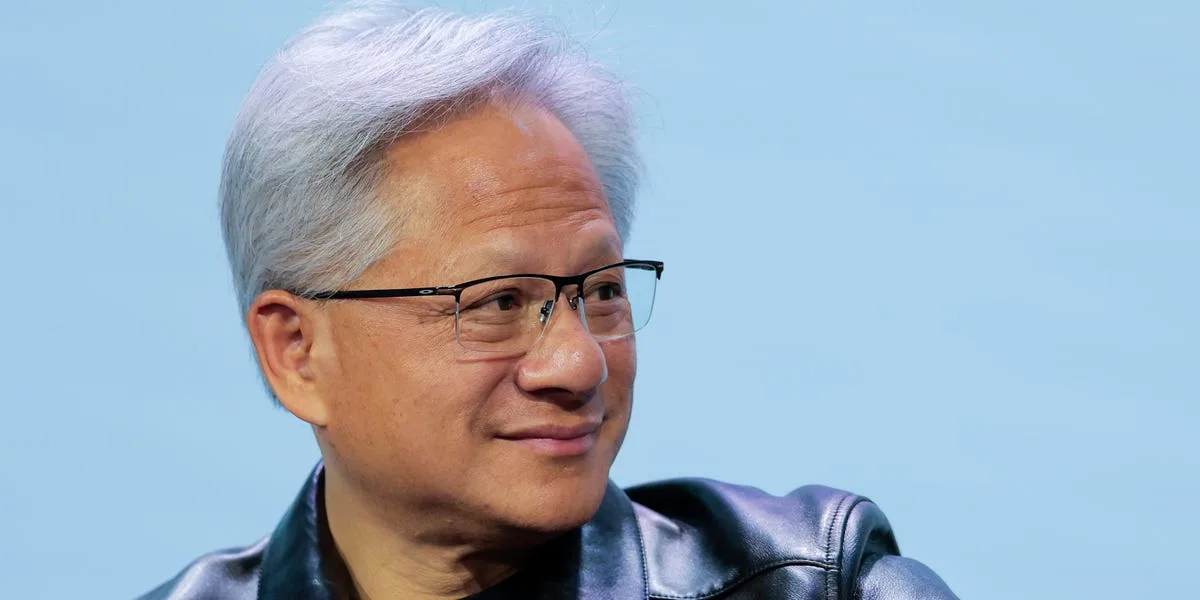
How Did Jensen Huang Return to Nvidia Amid Political Storms?
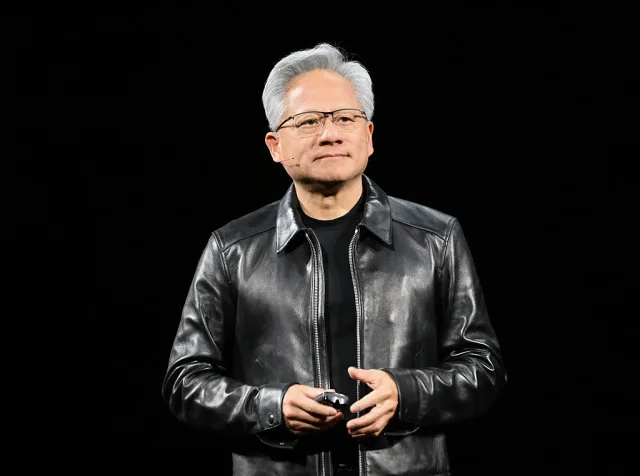
The swift reinstatement of Jensen Huang as President, Chief Executive Officer, and member of the Board of Directors of Nvidia has ended a brief leadership vacuum but opened a fierce Washington battle. Just 11 days after resigning amid investigations including one involving a woman suspected by US intelligence of spying for China, Huang walked back into the company headquarters in California to the sound of cheering employees. Tesla CEO Elon Musk reacted to the development on X by writing, Everyone I know at Nvidia wanted Jensen back, and it shows.
Musk also declared, The mistake has been corrected.
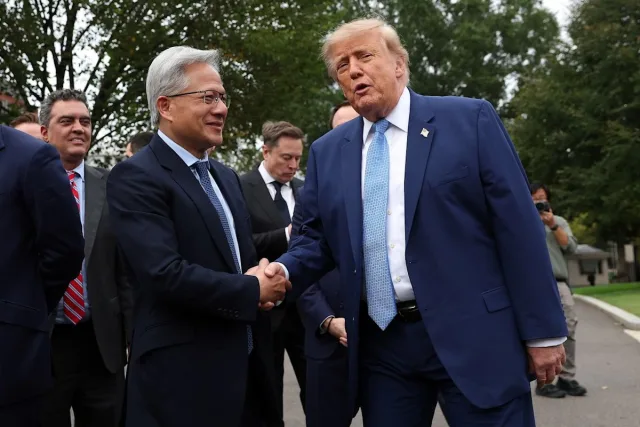
US President Donald Trump endorsed the move on Truth Social as an absolutely GREAT decision
and told CNBC that he provided the company board with enough assurance that Huang was fine and would not face prosecution. Yet that presidential intervention has triggered an immediate backlash from lawmakers demanding answers and stricter export curbs.
That clash exposes a deep fracture between the White House and Capitol Hill over the intersection of corporate power and national security. While the Trump administration welcomed back a chief executive whose return immediately ignited a massive technology stock rally across Wall Street and Asia, congressional leaders from both parties are warning that the leadership change glosses over unresolved risks. Nvidia announced that its board voted unanimously in favor of Huang's reinstatement following a series of discussions and meetings with him where they were satisfied with his candour and ability to lead. But that corporate resolution has only accelerated legislative efforts to regulate the flow of advanced microchips to foreign adversaries, setting up a high-stakes confrontation between the trillion-dollar chipmaker and federal investigators.
What Do Investors and Overseas Markets Gain From the Reinstatement?
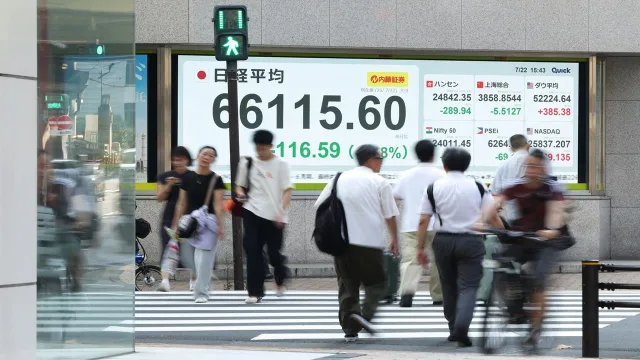
For global markets, Huang's return removed the single largest element of uncertainty hanging over the artificial intelligence trade. Asian stock markets roared back on Tuesday following the announcement, recovering from heavy losses that saw Taiwan's benchmark index plunge about 18% the previous week. South Korea's Kospi jumped as much as 8% in early trading, powered by a 9% climb for Samsung Electronics and an 11% surge for SK Hynix. Japan's Nikkei 225 climbed 5%, with Kioxia rising 11%, Advantest gaining 16%, Tokyo Electron rising 13%, and SoftBank Group advancing 8%. In Taiwan, the Taiex index surged 9%, and TSMC jumped nearly 10%.
The regional rebound mirrored a dramatic Monday surge on Wall Street, where Nvidia shares soared 31.5% and helped lift the Nasdaq Composite 6.5%. Market analysts noted that the comeback stabilized confidence across the entire AI hardware supply chain. Charu Chanana, chief investment strategist at Saxo, wrote in a Tuesday note that Jensen’s return takes away one of the biggest unknowns hanging over the AI trade
and noted that he is not just Nvidia’s CEO; he is arguably the biggest salesman for the entire AI ecosystem. Vishnu Varathan, head of macro strategy for Asia Pacific at Mizuho, added that the reinstatement eased fears that disruptions to Nvidia-backed financing deals might cause financial distress among smaller AI cloud providers. Even so, Chanana cautioned that the leadership fix does not automatically repair the underlying economics of massive AI infrastructure spending.
Why Are US Lawmakers Uniting Against the Decision?
Lawmakers on Capitol Hill are pushing back hard against both the reinstatement and the political maneuvering behind it, arguing that national security cannot be sidelined for market gains. Speaker-designate Hakeem Jeffries criticized the board's decision as indefensible, irresponsible and incomprehensible
and vowed a wide-ranging congressional investigation into business malfeasance by Nvidia alongside what he termed the corrupt abuse of power by Howard Lutnick and the Department of Commerce. Jeffries also alleged that the Trump administration was allowing American national security interests to be compromised for personal financial gain, calling for ironclad export control legislation in the National Defence Authorisation Act to block the Chinese Communist Party from exploiting advanced AI technology.
Senate Intelligence Committee Chairman Tom Cotton, a Republican, called on Congress to pass the Chip Security Act to track legally exported advanced chips and notify the government if they reach prohibited users. Democratic US Senator Elizabeth Warren, set to chair the Banking Committee in January, called Huang's return reckless
and argued that the board still owes answers regarding export control compliance. Republican Senator Pete Ricketts is simultaneously pushing the Match Act to pressure allies like the Netherlands' ASML and Japan's Tokyo Electron to restrict sales and maintenance of chipmaking equipment destined for China. Meanwhile, Republican Senator John Curtis of the Senate Foreign Relations Committee questioned the abrupt reversal, noting that last week the board said it didn't intend to reinstate him, and demanded to know what changed.
Who Faces the Direct Impact of the Congressional Push?
- Nvidia employees, who welcomed Huang back at headquarters but now face heightened scrutiny over corporate governance.
- Global chipmakers and tool manufacturers, including TSMC, SK Hynix, Samsung, ASML, and Tokyo Electron, which face potential new compliance costs and export restrictions.
- Data center operators and cloud providers relying on uninterrupted access to advanced processors and financing deals.
- US legislators and committee investigators preparing to question executive leadership on Capitol Hill.
The political fallout directly involves key corporate executives and federal officials, creating an unpredictable environment for firms operating at the center of the semiconductor supply chain.
What Should Concerned Observers Track Next?
If you are following the implications of this leadership change for technology markets, supply chains, or regulatory compliance, keep watch on these upcoming dates and hearings:
- December 1, 2026: Jensen Huang is expected to appear for a closed-door interview with three US House panels.
- December 3, 2026: Huang is scheduled to testify in a public hearing before the US Senate Banking Committee, led by Republican Chair Tim Scott, to address allegations regarding ties to a woman accused of being a Chinese spy.
Observers should monitor those testimonies for details on export compliance, alongside congressional debates over attaching the Chip Security Act and export restrictions to the annual defense authorization bill.