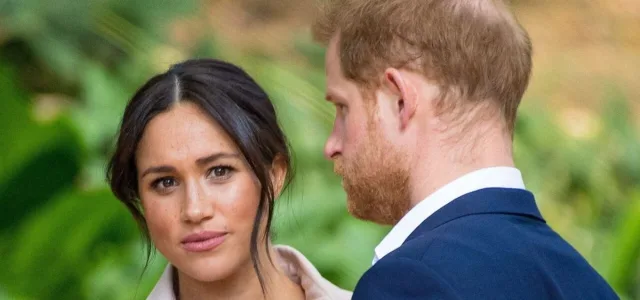
Earl Spencer claims King Charles was elated after Princess Diana's death
Earl Spencer's upcoming memoir alleges that King Charles was giddily elated after Princess Diana's death, sparking a sharp response from Buckingham Palace.
- Headline: Earl Spencer claims King Charles was elated after Princess Diana's death
- Dispatch Summary: Earl Spencer's upcoming memoir alleges that King Charles was giddily elated after Princess Diana's death, sparking a sharp response from Buckingham Palace.
- Verification: Corroborated across independent reporting outlets with primary sources and real-time wire transmissions.
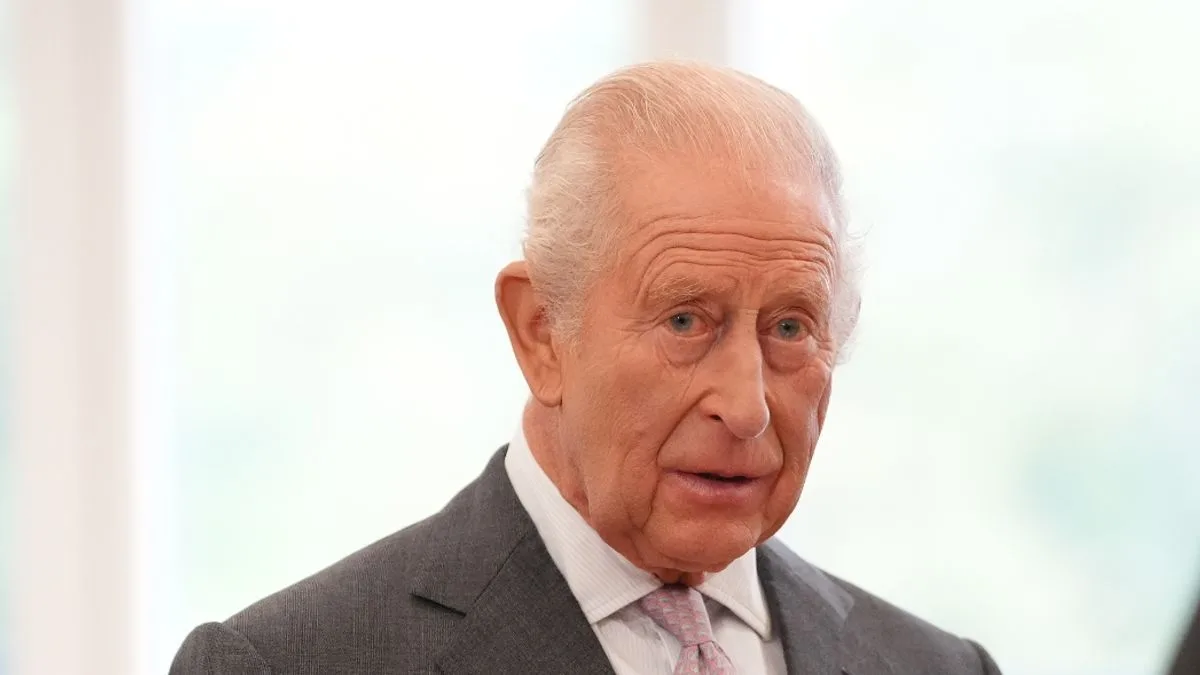
Earl Spencer’s upcoming memoir, *Swan Song: Diana, My Sister*, has reignited scrutiny of King Charles’s emotional response to Princess Diana’s death in 1997, with the royal brother alleging the monarch sounded “giddily elated” and “like a lottery winner” during a phone call shortly after her fatal car crash in Paris. The claims, drawn from excerpts published in the *Daily Mail*, have sparked a sharp rebuke from Buckingham Palace and intensified long-standing tensions within the royal family.
Earl Spencer’s Claims About Charles’s Reaction
In excerpts from his memoir, Spencer describes a phone call with then-Prince Charles on the night of Diana’s death, during which he claims the royal “sounded giddily elated” and “strangely matter-of-fact” given the “enormity of the disaster.” Spencer wrote that Charles informed his sons, William and Harry, of their mother’s death early the next morning, a detail he framed as evidence of the prince’s lack of emotional engagement. “Looking back now, I suspect the prince’s first reaction must have been to think more of how this event might free him to marry the woman he loved, rather than appreciating the loss of one he did not,” Spencer wrote.
The memoir also includes a controversial assertion that Charles told Spencer, “Rest assured, we’ll forget her soon enough,” a statement the Palace has not directly addressed but which Spencer claims reflects the monarch’s “pent-up contempt” for Diana. Buckingham Palace’s response to the allegations emphasized the “pain of fraternal grief” as a potential distortion of memory, stating, “His Majesty is mindful that the pain of fraternal grief can cloud reason, affect judgment and colour memory in ways others do not recognise, even many years after such a loss.”
Spencer’s account of Charles’s reaction aligns with broader allegations in the book that the then-prince viewed Diana’s death as an opportunity to pursue a relationship with Camilla Parker Bowles, whom he married in 2005. The memoir also claims Diana confided in Spencer that Charles had told her he was “not actually in love with her” before their 1997 wedding, a revelation that Spencer suggests contributed to her emotional turmoil.
Context of Diana’s Mental Health and Royal Dynamics
Spencer’s memoir digs into Diana’s mental health struggles, including her alleged diagnosis of ADHD and Rejection Sensitive Dysphoria, which he claims exacerbated her vulnerability. The book details how Diana, in her later years, drove to Beachy Head, a cliff known for suicides, “more than once” but was deterred by her love for her sons. “Her love for her sons stopped her from going further,” Spencer wrote.
The memoir also revisits the couple’s tumultuous marriage, with Spencer alleging that Charles’s criticism of Diana’s weight—specifically, that he “squeezed her waist” and remarked, “Oh, a bit chubby here, aren’t we?”—contributed to her eating disorder. Diana’s 1996 divorce from Charles, which she described as a “crowded” marriage due to his relationship with Camilla, is framed in the book as a pivotal moment that left her emotionally fragile.
Spencer further claims that Charles was “adamant” about having William and Harry walk behind Diana’s coffin during her funeral, a decision he believes was motivated by a desire to shield the prince from public scrutiny. “Some in Buckingham Palace were ‘relieved – indeed pleased’ at her death,” Spencer wrote, though the Palace has not commented on this assertion.
Buckingham Palace’s Response and Family Reactions
Buckingham Palace has maintained a cautious stance, declining to engage directly with the allegations while emphasizing the “pain of grief” as a potential factor in memory. A spokesperson reiterated the Palace’s policy of not commenting on books, stating, “While we do not comment on books as a matter of principle, His Majesty is mindful that the pain of fraternal grief can cloud reason, affect judgment and colour memory in ways others do not recognise, even many years after such a loss.”
The claims have also drawn scrutiny from former royal aides. Julian Payne, Charles’s former communications secretary, disputed Spencer’s portrayal of the king, stating that Charles “never to be any criticism or pushback on the narratives that were usually highly critical of him.” Payne, who worked with Charles during the 20th anniversary of Diana’s death, said he did not recognize the “language” used in the book, calling it “odd” for a grieving father to express such sentiments.
Meanwhile, Prince Harry has made public appearances in the wake of the controversy, attending the Invictus Spirit Awards in London and speaking at a charity event focused on children wounded in conflict. His return to the UK after six years in California has drawn attention, though he has not addressed the allegations directly. The royal family’s internal rifts, exacerbated by Harry’s memoir *Spare*, appear to be further complicated by Spencer’s revelations.
| Detail | Information |
|---|---|
| Book Title | Swan Song: Diana, My Sister |
| Key Claim About Charles | “Giddily elated” and “like a lottery winner” after Diana’s death; possible focus on remarrying Camilla. |
| Palace Response | Refused to comment on book, citing principle, but stated grief could distort memory. |
| Diana’s Mental Health | Alleged ADHD and Rejection Sensitive Dysphoria; suicidal ideation at Beachy Head. |
| Charles’s Alleged Actions | Criticized Diana’s weight; insisted William and Harry walk behind her coffin. |
Frequently Asked Questions
What evidence supports Earl Spencer’s claims about Charles’s reaction?
Spencer’s memoir includes his account of a phone call with Charles immediately after Diana’s death, in which he describes the prince as “giddily elated” and “strangely matter-of-fact.” The claims are based on Spencer’s personal recollections, as detailed in excerpts from his upcoming book.
How has Buckingham Palace responded to the allegations?
Buckingham Palace has not directly addressed the claims but issued a statement emphasizing that grief can distort memory and judgment. A spokesperson stated, “His Majesty is mindful that the pain of fraternal grief can cloud reason, affect judgment and colour memory in ways others do not recognise, even many years after such a loss.”
What other allegations does the memoir include?
The memoir alleges Diana struggled with mental health, including suicidal ideation, and that Charles may have contributed to her eating disorder by criticizing her weight. It also claims Charles was “adamant” about having William and Harry walk behind Diana’s coffin and that he expressed a belief the public would “forget her soon enough.”
The full release of *Swan Song: Diana, My Sister* is expected to deepen the scrutiny of Charles’s legacy and the royal family’s handling of Diana’s death. As the book’s contents continue to unfold, the tension between personal recollections and institutional narratives will likely shape public discourse, with the Palace’s next steps and Harry’s potential response remaining key areas to watch.
How significant is this wire dispatch?
Cast your anonymous vote to register reader consensus across journalism and intelligence sectors.
Dateline Wire is dedicated to independent, evidence-backed reporting. This briefing was synthesized from primary source reporting, corroborated across independent newsrooms, and verified against our Editorial Standards.