Russia and Ukraine resume energy strikes despite Trump warnings
Washington's energy ceasefire has collapsed as Russian drone strikes hit Ukrainian power grids and Ukraine retaliates against a major Russian oil processing facility in Ryazan.
- Headline: Russia and Ukraine resume energy strikes despite Trump warnings
- Dispatch Summary: Washington's energy ceasefire has collapsed as Russian drone strikes hit Ukrainian power grids and Ukraine retaliates against a major Russian oil processing facility in Ryazan.
- Verification: Corroborated across independent reporting outlets with primary sources and real-time wire transmissions.
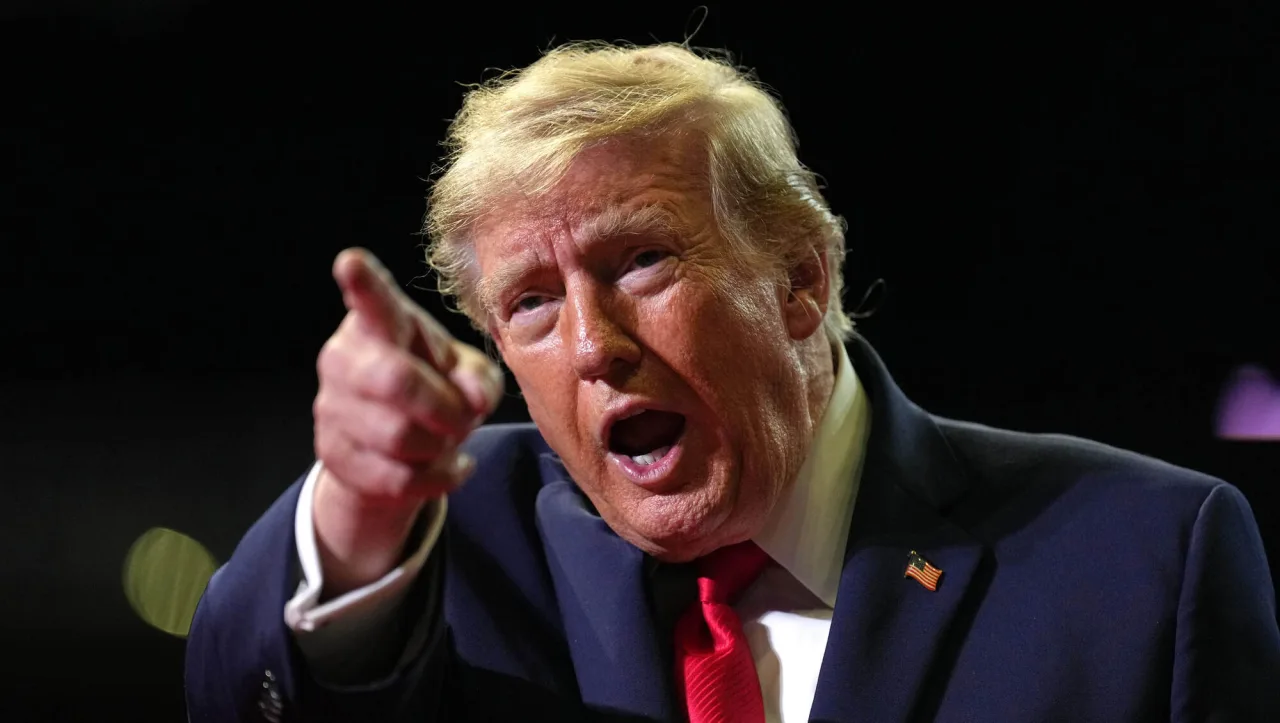
The collapse of Washington’s unilateral energy diplomacy has arrived with the sound of incoming missiles and burning industrial plant. Just days after US President Donald Trump announced an immediate energy ceasefire on TruthSocial, claiming both parties had agreed, the arrangement has shattered completely amid mutual escalation. The immediate trigger is a pair of compounding military actions: a massive wave of Russian drone strikes hitting civilian power grids and central regions, and a renewed Ukrainian drone and missile attack on a key Russian oil processing facility in Ryazan. Ukrainian President Volodymyr Zelenskyy confirmed the breakdown on Thursday in an interview with the Financial Times, declaring The block [on attacking refineries] is out. We’re done.
That leaves the White House’s attempt to lower global diesel prices through a hastily brokered deal with Moscow in tatters, while exposing Kyiv to severe American pressure tactics including intelligence blackouts and communication curbs.
This confrontation is happening now because the Trump administration has tied its foreign policy directly to domestic economic pressures, specifically the soaring cost of diesel fuel following the US-Israeli war with Iran that began in February. Trump blamed Ukrainian refinery strikes for driving up global fuel prices and struck a surprise diesel supply deal with Russia, aiming to offer relief ahead of the upcoming US midterm elections. Yet this strategy rests on a fundamental miscalculation: that Kyiv would passively accept a one-sided cessation of energy attacks while Moscow continued to pulverize Ukrainian infrastructure. The Kremlin has paid no heed to Trump’s demands, instead escalating its bombardment. When Russian missile and drone barrages cut power to 600,000 citizens and targeted a Naftogaz gas-extraction facility in the central Poltava region, Ukraine’s temporary restraint became politically unsustainable for Zelenskyy.
The White House attempted to enforce compliance by squeezing Kyiv through critical technological and intelligence bottlenecks. Ukrainian officials reported receiving no advance warning from Washington regarding incoming Russian missile strikes for several days this week, stripping cities of vital early-warning protection. Concurrently, soldiers on the front lines found their military satellite terminals throttled, scuppering drone operations against Russian positions. Zelenskyy dismissed American claims of technical glitches as a matter of political will, noting that the restrictions were imposed just as the US threatened to cut arms delivery programmes. Elon Musk, the head of SpaceX, stated on X that Starshield is owned and controlled by the US government, which dictates any speed limits. Musk nevertheless weighed in against the Ukrainian leadership, writing And so the slaughter continues … Time for Zelensky to go,
echoing Trump's public assertion that Ukraine should get a new president.
Weighing the Strategic Fallout and the Price of Defiance
The strongest counter-view to Ukraine’s renewed offensive comes from Moscow and its defenders, who argue that Kyiv’s refusal to honor the American-backed pause actively sabotages any path toward a negotiated settlement. Kremlin spokesman Dmitry Peskov praised vigorous US efforts to initiate peace talks and claimed that by resuming strikes, Ukraine is coming into direct conflict with Washington's peace initiatives. From this perspective, Trump’s deal represents a pragmatic attempt to stabilize global commodity markets and open a diplomatic channel, making Kyiv’s insistence on striking Russian infrastructure an unwelcome obstacle to broader de-escalation. European reactions highlight similar anxieties, with Italian Prime Minister Giorgia Meloni calling the US agreement to purchase Russian diesel a very risky decision that ultimately extends a financial lifeline to Russian President Vladimir Putin rather than ending the war.
The sheer scale of the overnight violence underscores how little the diplomatic initiative restrained either military. Russia attacked Ukraine with more than 850 Shahed drones over the course of the week, while 580 drones targeted the country in a single night, according to Ukraine's air force. The central Kirovohrad region absorbed the heaviest assault of its kind during the war, as more than 360 drones struck transport enterprises, logistics facilities, and residential homes, killing three people and wounding six, regional governor Andriy Raikovych reported. Meanwhile, Russian regional officials stated that the targeted Ryazan refinery, which accounts for almost five per cent of Russia's total oil refining throughput and is owned by Rosneft, had been hit by 69 drones and four Flamingo cruise missiles, sparking a large fire. Ukraine's military also claimed it damaged six Su-34M fighter-bombers in an overnight strike on the Borisoglebsk airfield in Russia's Voronezh region.
For investors, European leaders, and Ukrainian civilians, this collapse signals a dangerous new phase in which Washington actively punishes its own ally to force economic concessions. Zelenskyy told the Financial Times that he would be willing to halt energy infrastructure attacks again only if the US supplies Patriot interceptors to defend against incoming ballistic missiles, calling that equipment the minimum acceptable return. Asked by Piers Morgan whether he felt betrayed by Washington, Zelenskyy answered yes, adding, It’s a pity that we are losing, we are losing a strong partner.