Pakistan sends troops to Saudi Arabia to boost defences against Houthis
Pakistan is deploying military forces to Saudi Arabia under the Mecca Joint Defense Agreement in response to attacks by Yemen's Houthi rebels.
Pakistan sends troops to Saudi Arabia to boost defences against Houthis
Pakistan’s military media wing, the Inter-Services Public Relations (ISPR), announced on Sunday that troops were sent to Saudi Arabia following a send-off ceremony on Saturday. The deployment comes under the Makkah Defence Alliance to bolster the kingdom against relentless attacks by Yemen's Iran-backed Houthi rebels.
The military movement marks a major escalation in a conflict that has expanded far beyond Yemen's borders since the Iran war erupted in February following U.S. and Israeli strikes on the Islamic Republic. Riyadh has turned to regional partners including Turkey, Pakistan, Egypt, and Syria to bolster its defenses against persistent Houthi strikes that have closed pipelines, struck energy infrastructure, and threatened shipping. That leaves the kingdom leaning heavily on collective defense pacts, even as critics warn the alliances risk deepening a regional conflagration.
The Makkah Defense Pact and Trilateral Strategy
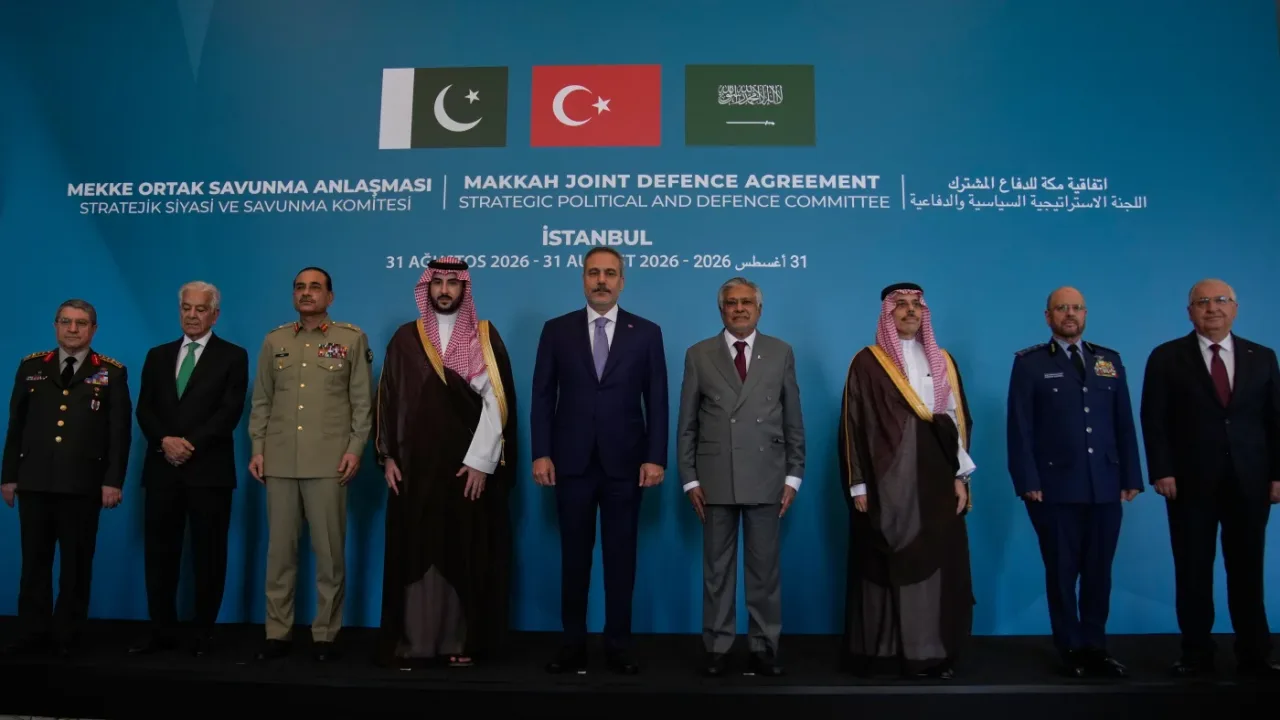
The formal legal architecture behind the deployment is the Makkah Joint Defense Agreement, which involves Turkiye, Pakistan, and Saudi Arabia, and dictates that an armed attack on any single member is considered an attack against all three. Just two days before Sunday's announcement, senior defense and military officials from the three nations met in Islamabad to reaffirm their collective defense commitments and implement rapid deployment arrangements. According to a report by Dawn News, Pakistani, Saudi and Turkish leaders condemned what they described as persistent and heinous
Houthi attacks on Saudi Arabia during the meeting.
Islamabad and Riyadh have also signed the Strategic Mutual Defence Agreement (SMDA), which formalises their bilateral defence partnership. The ISPR stated in a Sunday statement quoted by Dawn News:
The military deployment reflects Pakistan’s unwavering commitment to the security, sovereignty and territorial integrity of the Kingdom of Saudi Arabia, rooted in the longstanding strategic partnership and fraternal bonds between the two brotherly countries.
Inter-Services Public Relations (ISPR), via Dawn News
The military's media wing added that Pakistani troops will discharge their assigned responsibilities within Saudi territory, under agreed commitments and the established framework of defence cooperation,
and that the deployment would contribute to further strengthening Saudi Arabia’s defensive capabilities amid emerging security concerns. The ISPR statement also noted that the ceremony underscored the enduring bonds of brotherhood, mutual trust and strategic cooperation between Pakistan and Saudi Arabia, as well as Pakistan’s steadfast resolve to stand by the Kingdom in safeguarding its sovereignty and territorial integrity.
Islamabad has maintained that the trilateral agreement is strictly defensive and not directed against any neighboring state, including Iran. The agreement builds upon decades of military ties in which Pakistani personnel have been stationed in Saudi Arabia since the early 1980s to train and advise local forces.
Houthi Retaliation and Energy Infrastructure Strikes
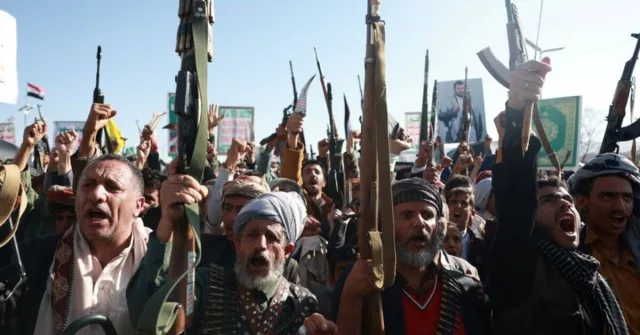
The troop deployment arrives as Houthi forces step up their campaign against Saudi energy, transport, and defense facilities. The latest strikes highlight the expanding reach of the Houthi campaign, with the Iran-backed group increasingly targeting Saudi airports and energy infrastructure since Yemen’s previously frozen civil war reignited in July 2026 amid the wider US-Iran conflict. Saudi Arabia became directly involved in Yemen’s civil war in 2015, leading a coalition of Arab countries seeking to restore the internationally recognised government after the Houthis seized the capital, Sanaa, and large parts of the country. The Saudi-led intervention triggered years of intense fighting, eventually resulting in a prolonged military stalemate. A ceasefire reached in 2022 largely brought major hostilities to a halt, but fighting resumed in the summer of 2026, raising fears of another prolonged confrontation.
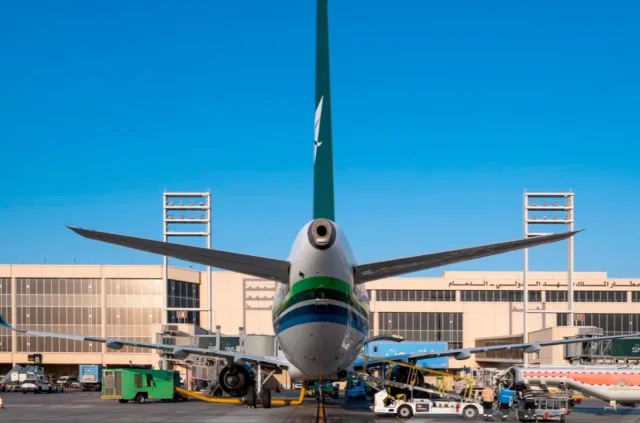
Over a 48-hour window concluding on Sunday, Houthi military spokesperson Yahya Saree stated that the group carried out five military operations against targets in Saudi Arabia. Saree claimed a direct hit on King Khalid International Airport in Riyadh, the disabling of two radar installations in Abha and Khamis Mushait, large fires at the Lizan refinery, fires at the Hawiyah gas plant in the Eastern Province, and significant damage to the Shuqaiq and Jizan power stations.
Locals posted social media videos showing smoke and fire near energy targets, while Saudi authorities confirmed that a Nepalese worker was killed and several others injured when Saudi Aramco’s Jazan refinery was struck on Thursday. In response, the Saudi-led coalition conducted military operations targeting vital assets used by the Houthis, including an attack on Yemen's Ras Isa port. In retaliation for the Ras Isa strike, Houthi forces warned on Sunday that Jeddah port and all other Saudi Red Sea ports are targets, urging shipping companies and workers to evacuate immediately.
Regional Reactions and the Shadow of Past Coalitions
The expanding military coalition has drawn sharp rebukes from Sanaa. Mohamed Ali al-Houthi, a member of the Houthi Supreme Political Council, lashed out at Pakistan and Turkey, accusing them of ignoring what he termed the (Saudi) aggression, the blockade, the killings, and the ongoing crimes in Yemen. Just as the previous coalition against our country … ended in failure, any future coalition will likewise fail,
he said via a statement late Saturday. Houthi acting Information Minister Omar al-Bukhaiti also asserted earlier in November that Pakistani fighter jets participated in strikes on rebel-held areas on Nov. 6.
At the same time, analysts note that the Houthi offensive aims to pressure Riyadh into surrendering to rebel demands and ending its operations in Yemen. While Pakistan and Turkey insist their troops will operate exclusively within Saudi territory to protect the kingdom and the holy sites of Mecca and Medina, Islamabad is simultaneously pursuing parallel diplomatic channels. Pakistani officials are collaborating with Qatar to mediate between Washington and Tehran, having previously brokered an interim agreement in June.
What the Deployment Means for Regional Stability
The arrival of Pakistani troops signals that the war is entering a more entrenched, multinational phase. While the official stance from Islamabad emphasizes territorial defense and the protection of Islam's holiest mosques, the presence of foreign forces on Saudi soil guarantees that any future Houthi missile barrage will carry higher geopolitical stakes. That dynamic transforms regional security from a bilateral Saudi-Yemeni conflict into a test of a wider trilateral alliance.
The immediate fallout is visible in disrupted energy operations, rising global fuel prices, and tit-for-tat port bombardments along the Red Sea. With Egypt also pledging air defense support and aircraft without deploying ground troops, Saudi Arabia has successfully internationalized its defense network. Yet by drawing in outside powers like Pakistan and Turkey while provoking furious denunciations from Sanaa, Riyadh risks hardening Houthi resolve rather than dampening the missile fire.
Updated 2 times since publication; last update 29 November 2026, 15:04.