NSE and BSE Closed for Trading on Dussehra with MCX Evening Session Open
Indian stock exchanges NSE and BSE are closed for trading on Dussehra, while the MCX commodity platform operates its evening session.
- Headline: NSE and BSE Closed for Trading on Dussehra with MCX Evening Session Open
- Dispatch Summary: Indian stock exchanges NSE and BSE are closed for trading on Dussehra, while the MCX commodity platform operates its evening session.
- Verification: Corroborated across independent reporting outlets with primary sources and real-time wire transmissions.
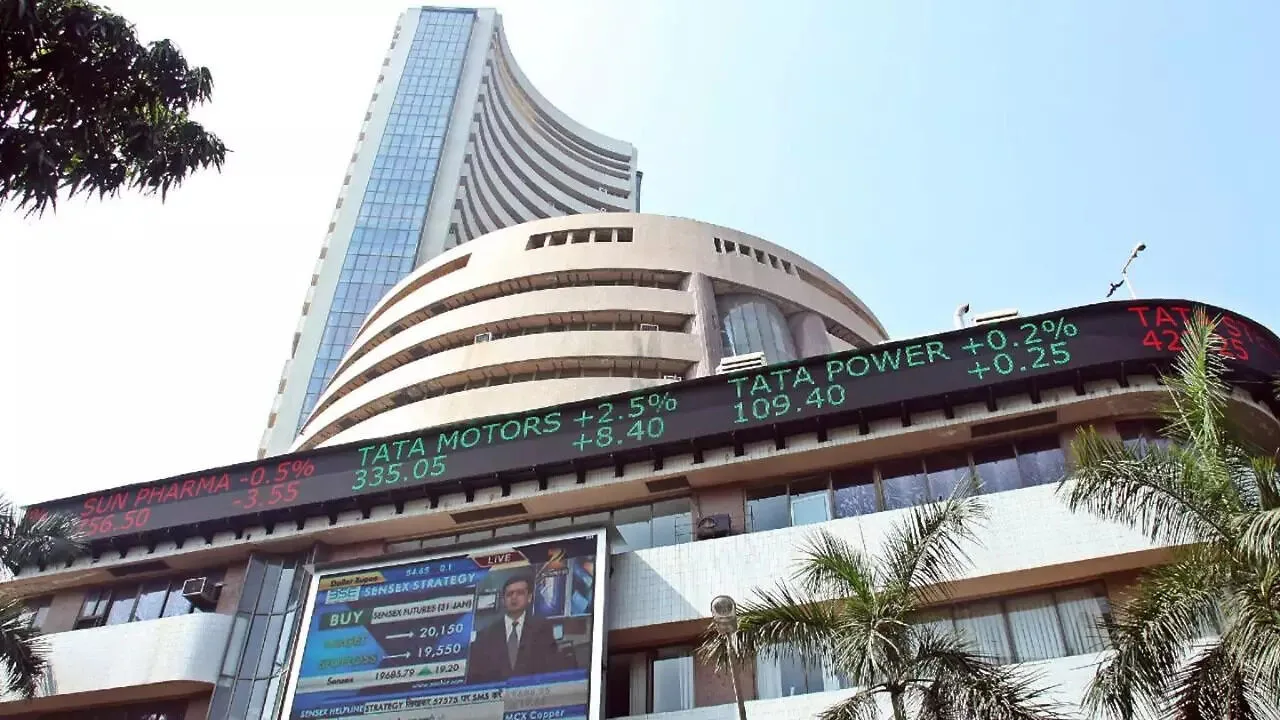
Indian financial markets are observing a scheduled pause on Tuesday, October 20, 2026, as the National Stock Exchange (NSE) and the Bombay Stock Exchange (BSE) remain closed for trading in observance of Dussehra, marking the end of the Navratri festival. The closure halts all trading activity across equities, equity derivatives, the securities lending and borrowing segment, bonds, and foreign currencies, following the official holiday calendars issued by both bourses.
For investors and traders, the holiday arrives in the middle of a shifting earnings and macroeconomic landscape. Yesterday, the BSE Sensex closed at 73,852.90, down by 876.37 points or 1.17, while the Nifty 50 plunged by 257.20 points or 1.11% to close at 22,888.95, according to data from Goodreturns.in. Livemint reported a different early session trajectory for Monday, noting that the 30-share BSE Sensex fell 470.50 points to 74,318 in early trading while the 50-share NSE Nifty declined 147.10 points to 22,999.05 before both indices pared most of their losses. Ajit Mishra, SVP - Research, Religare Broking, noted that global and domestic macroeconomic concerns continue to weigh on sentiment, with Brent crude remaining elevated around $107-108 per barrel
amid geopolitical tensions and supply-side uncertainties.
Equities and Derivatives Stand Still While MCX Opens for Evening Trade
The total suspension on the BSE and NSE means no market participant can buy or sell index instruments such as Nifty 50, Sensex, BSE Bankex, Large-Cap, Midcap, Small-Cap, and Nifty Bank on Tuesday. Bank branches across many states are also closed for Vijaya Dashami or Dussehra, as noted by The Daily Jagran. However, commodity trading follows a divergent path. The Multi Commodity Exchange of India (MCX) is closed for its morning session running from 9:00 AM to 5:00 PM, but it will resume trading in the evening session at 5:00 PM, continuing until 11:45/11:55 PM.
That split schedule exists because the evening session at MCX handles internationally linked non-agricultural commodities like gold, silver, and crude oil, which are heavily influenced by global prices. By keeping the evening session active while the morning session is shut, MCX allows traders to react to international price movements even when Indian stock markets are closed. Meanwhile, the National Commodity and Derivatives Exchange is closed for both sessions, suspending trading activities for both sessions--morning and evening.
Corporate Earnings Continue Despite the Exchange Shutdown
Even with equities resting, corporate disclosures move forward. A host of companies are scheduled to declare their Q2 results for FY27 on October 20, 2026, including Aptus Pharma Ltd, Pioneer Agro Extracts Ltd, Shardul Securities Ltd, and Shree Ram Twistex Ltd. Following the resumption of trading on October 21, 2026, a total of 40 companies will release their Q2 results, featuring mega firms such as Adani Green Energy Ltd, Eternal Ltd, Indian Hotels Company Ltd, Mahindra & Mahindra Financial Services Ltd, and PC Jeweller Ltd.
Dividend actions are also on the horizon for market participants. Three stocks will be in focus for their interim dividends. Elecon Engineering Company will turn the ex-dividend for dividend payout of Rs 0.50 per share, ICICI Prudential Asset Management Company will turn ex-dividend for the interim dividend of Rs 30 per share, and Mangalore Refinery and Petrochemicals stock will turn ex-date for an interim dividend payout of Rs 3 per share.
Analyst Caution Amid Global Headwinds and Technical Levels
The broader debate among market analysts centers on whether recent market dips represent a routine consolidation or the start of deeper underperformance. Ajit Mishra points out that the continued underperformance of banking stocks is weighing on overall market sentiment, while other sectors are contributing to market movements on a rotational basis. From a technical perspective, Mishra notes that the Nifty has slipped towards the immediate support zone of short term moving average i.e. 20 DEMA around 22,900, with the next key support placed in the 22,550-22,750 range. On the upside, any recovery is likely to encounter resistance around 23,200-23,300. Given elevated crude prices, mixed earnings cues and persistent geopolitical uncertainties, we recommend maintaining a cautious stance, with an emphasis on selective stock picking and prudent position sizing.
Countering this cautious outlook, domestic benchmarks on Monday demonstrated resilience as benchmark indices Sensex and Nifty recovered most of their initial losses, supported by buying in State Bank of India and Reliance Industries, along with fresh foreign fund inflows, though losses in Axis Bank and HDFC Bank limited the recovery. Looking past the Dussehra closure, the NSE calendar shows the Dussehra market holiday on 20 October is followed by three more scheduled stock market holidays in 2026. The NSE and BSE will remain closed on Tuesday, November 10, for Diwali-Balipratipada, followed by another holiday on Tuesday, November 24, for Guru Nanak Jayanti. The final scheduled stock market holiday of the year will be on Friday, December 25, on account of Christmas. Additionally, exchanges have scheduled a special Muhurat Trading session for Diwali Laxmi Pujan on Sunday, November 8, 2026, with the exact timings to be announced separately.
With global crude prices hovering near $107-108 per barrel and domestic corporate earnings set to release en masse once bourses reopen on October 21, 2026, investors must decide whether to heed warnings of imported inflation or buy into the sector rotation supporting the Nifty.