Colombia Illegal Gold Mine Collapse Kills 14 and Injures Seven
Fourteen people died and seven were injured when an illegal open-pit gold mine collapsed in southwestern Colombia, leaving additional workers unaccounted for.
- Headline: Colombia Illegal Gold Mine Collapse Kills 14 and Injures Seven
- Dispatch Summary: Fourteen people died and seven were injured when an illegal open-pit gold mine collapsed in southwestern Colombia, leaving additional workers unaccounted for.
- Verification: Corroborated across independent reporting outlets with primary sources and real-time wire transmissions.
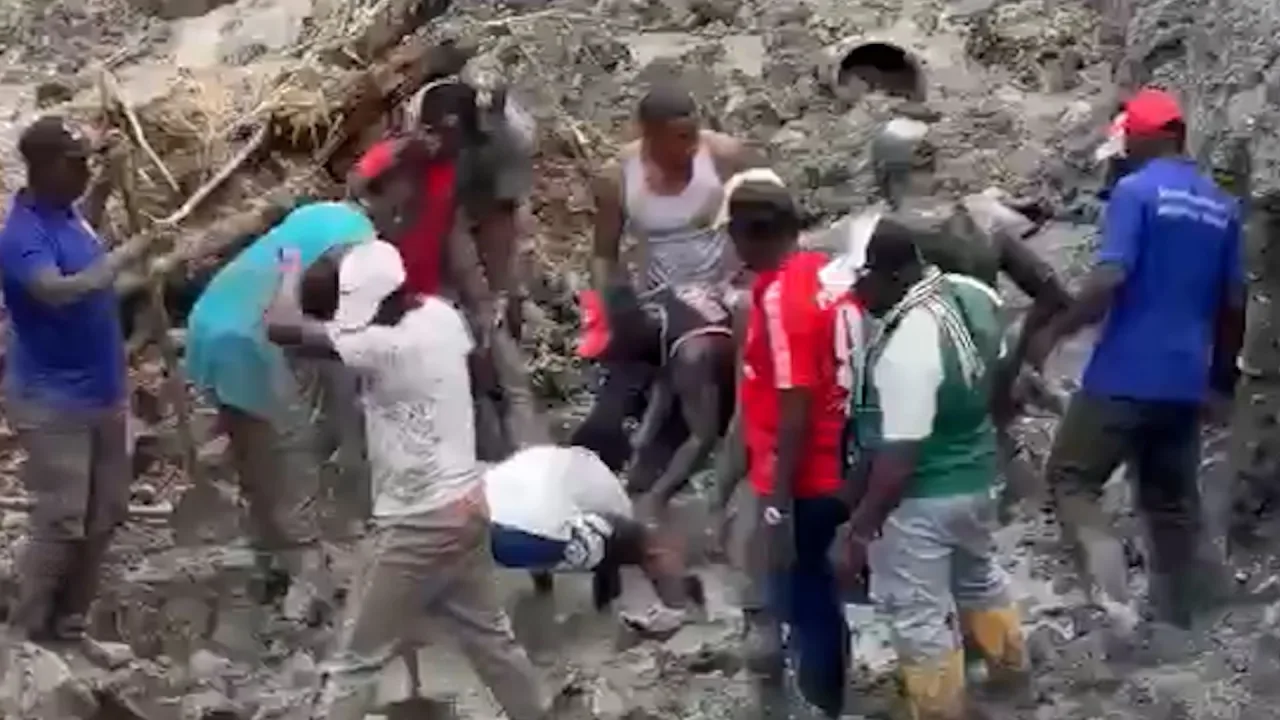
Fourteen people died and seven were injured when an illegal open-pit gold mine collapsed in southwestern Colombia, burying workers in a landslide on Monday. Despite the official confirmation that search operations have ended, disaster response officials warn that additional miners remain unaccounted for in the remote disaster zone.
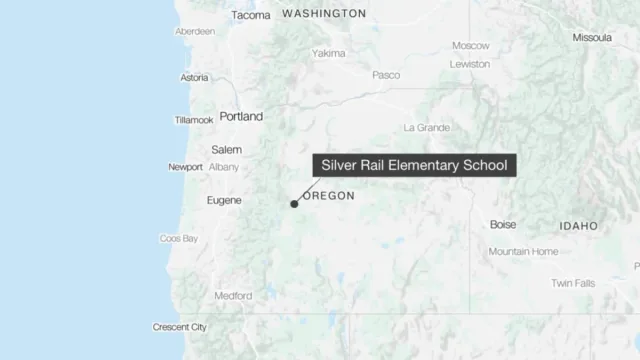
The tragedy struck in the rural area of Cembero, also referred to as the Chambero sector, located within the municipality of Santa Bárbara de Iscuánde in the Nariño department. A landslide buried the miners who were extracting gold at the site. Authorities initially reported nine deaths, but the toll rose to 14 as rescue efforts concluded.
Who is affected and how did officials respond?
The remote nature of Santa Bárbara de Iscuánde compounded the emergency response, as the municipality is surrounded by dense rainforest and reachable only by boat or small aircraft. Municipal authorities handled the initial response, though communication proved difficult.
Nariño Governor Luis Alfonso Escobar confirmed that search and rescue operations have concluded. In a message posted on X, Escobar wrote, At this moment our priority is to save lives, accompany families and guarantee an opportune response to this painful tragedy.
Jorge Tovar Castillo, a disaster response official in Nariño, said that an additional 12 to 15 miners have been reported as missing following the accident. Meanwhile, Alex Gonzalez, secretary for peace and human rights in Nariño, told the Caracol television channel, At this point, we know of 14 deaths. There are also seven injuries. Search operations have already ended.
Details of the condition of the seven injured survivors were not provided in the initial reports.
That leaves families facing a painful information gap regarding the missing workers, while local authorities manage a disaster zone that is extraordinarily difficult to access.
Why are informal mines collapsing across Nariño?
Informal and unregulated mining is common in rural parts of Colombia, where operations frequently lack adequate safety infrastructure. Unsafe extraction practices often undermine mine structures, causing slopes to collapse. Gas build-ups can also lead to explosions, which serve as another reported cause of fatal mining accidents.
Beyond basic safety failures, illegal mines in regions such as Nariño are often operated by criminal groups to help finance their activities, according to a report by Deutsche Welle published in August. Governor Escobar has urged the national government, the National Mining Agency, and the Ministry of Mines and Energy to accelerate the formalisation of illegal and small-scale mining operations to improve working conditions and safety standards.
This structural vulnerability means that whenever commodity prices rise or oversight lapses in isolated jungles, workers absorb the fatal cost of unregulated extraction.
What is the wider pattern of mining disasters in Colombia?
The disaster in Santa Bárbara de Iscuánde follows a grim sequence of recent accidents across Colombia's mining sector. In August, 13 people died in a similar mining accident in the municipality of Policarpa, also in Nariño. A government source told AFP at that time that improper ore extraction had undermined the mine base, triggering the collapse.
Other recent accidents underline the broader risks in the country:
- Nineteen people were injured in an incident at a gold mine in Marmato, in the Caldas department, earlier in August.
- Nine workers were killed in a coal mine explosion in Sutatausa, about 70 kilometres north of Bogota, in May.
That persistent frequency shows that safety reforms have failed to penetrate the rural regions where informal extraction drives local economies.
Readers following developments should watch for updates from Nariño officials regarding the search status of the 12 to 15 miners reported missing by disaster response teams, as well as any formal policy responses from the Ministry of Mines and Energy.