Deadly Nor'easter weakens after causing flooding and power outages
A powerful nor'easter has weakened after battering the Northeast, leaving power outages, travel disruptions, and severe coastal flooding from New Jersey to New England.
- Headline: Deadly Nor'easter weakens after causing flooding and power outages
- Dispatch Summary: A powerful nor'easter has weakened after battering the Northeast, leaving power outages, travel disruptions, and severe coastal flooding from New Jersey to New England.
- Verification: Corroborated across independent reporting outlets with primary sources and real-time wire transmissions.
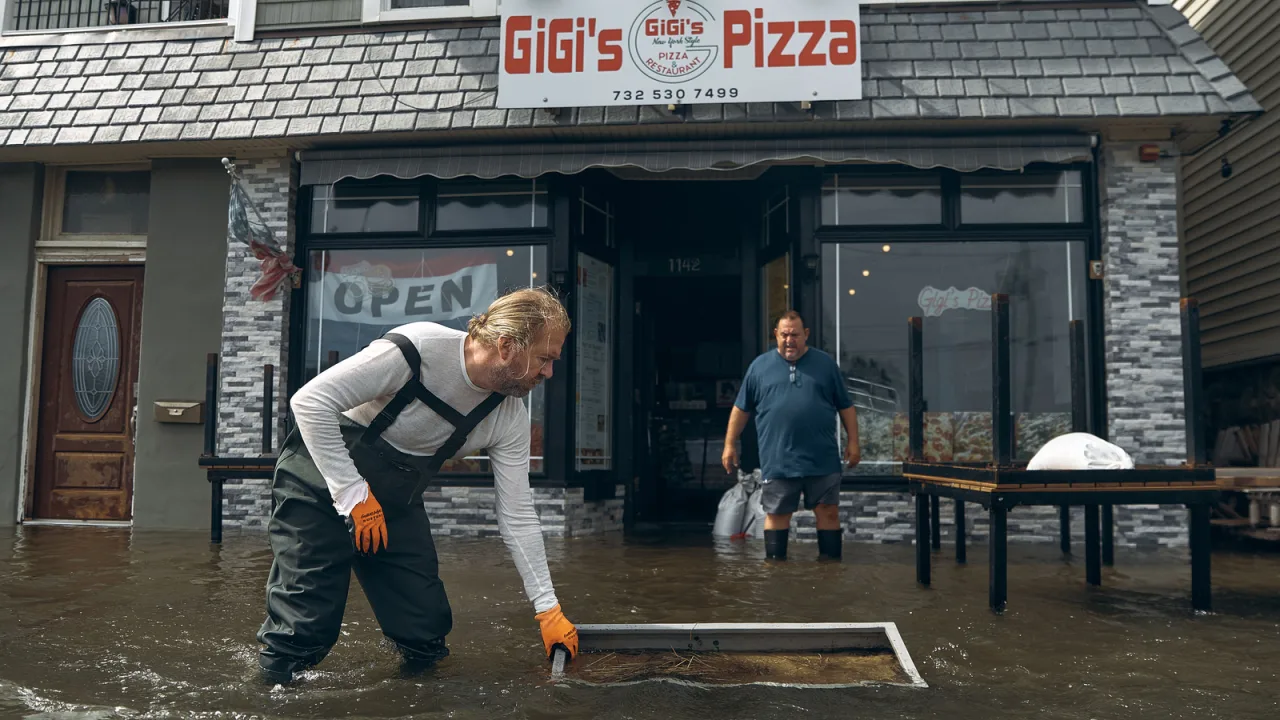
Storm Weakens After Devastating Northeast Coast
A nor’easter that battered the U.S. East Coast with flooding, wind, and power outages has begun to weaken, but its lingering effects continue to challenge communities from New Jersey to New England. The storm, which claimed at least one life and left tens of thousands without electricity, has prompted officials to issue flood warnings and urge caution as high tides and saturated soils persist.
The worst of the storm passed by Monday, with light rain and reduced wind gusts replacing the earlier destructive conditions. However, coastal flood alerts remained in place through Monday and Tuesday, particularly in areas from the Delmarva Peninsula to Massachusetts. High tides, exacerbated by the storm’s slow movement and the natural "king tides" of the full moon, continued to threaten low-lying neighborhoods.
The storm’s deadly toll was marked by the death of a 56-year-old New York City Housing Authority worker, Leighton Brown, who was struck by a falling tree in Brooklyn on Saturday. Mayor Zohran Mamdani identified Brown, who had worked for the agency for over a decade, and described the loss as a "tragic reminder of the storm’s destructive force." At least four others were injured in the storm, including children, as strong winds toppled trees and damaged property across Long Island and New Jersey.
Power Outages and Travel Disruptions
The nor’easter caused widespread power outages, with over 100,000 customers losing electricity at its peak. New Jersey reported 50,000 outages, while Connecticut saw 25,000, and Long Island faced significant disruptions. By Monday, the number of affected customers had dropped to around 55,000, though some areas remained without power as crews worked to repair damaged infrastructure.
Travel was also heavily impacted. Airports from Boston to New York faced delays and cancellations, with over 425 flights canceled nationwide. Boston’s Logan International Airport saw delays of more than four hours, while New York’s major airports experienced 30 to 90 minutes of delays. Coastal roads and highways were closed due to flooding, and emergency ferry services were established in North Carolina after a section of Highway 12 was washed out.
| Region | Power Outages (peak) | Flooded Areas |
|---|---|---|
| New Jersey | 50,000 | Sea Bright, Atlantic City, coastal neighborhoods |
| Connecticut | 25,000 | Urban centers, coastal towns |
| New York | Varies by borough | Brooklyn, Long Island, Queens |
Coastal Flooding and Climate Concerns
The storm’s impact on coastal areas was severe, with flooding reaching levels not seen in years. In New Jersey, neighborhoods along the Jersey Shore saw water levels comparable to those during Superstorm Sandy in 2012. Residents described the flooding as relentless, with high tides repeatedly inundating homes and streets. In Sea Bright, New Jersey, one resident noted, “It’s not like a one-time occurrence. It’s getting wet again and again.”
Officials attributed the storm’s intensity to a combination of factors, including the timing of the full moon, which created higher-than-normal tides, and the slow movement of the storm system. Meteorologists warned that the storm’s lingering effects, including saturated soils and ongoing rainfall, could lead to additional flooding. “The compounding effect of multiple high tide cycles is a major concern,” said Brian Hurley, a meteorologist with the National Weather Service.
The storm also raised questions about the long-term resilience of coastal infrastructure. In areas like New York’s Howard Beach, streets were flooded with just a few inches of water, while businesses in New Jersey faced significant damage. Some residents, like Bernard Dowd of Sea Bright, credited new building codes implemented after Superstorm Sandy for mitigating the worst damage, though many expressed frustration over the lack of preparedness in their communities.
State of Emergency and Emergency Response
Officials in New Jersey, New York, and other affected states declared states of emergency ahead of the storm, mobilizing emergency response teams and coordinating with the Federal Emergency Management Agency (FEMA). The Weather Channel and local authorities issued repeated warnings about the risks of high surf, strong winds, and coastal flooding, urging residents to avoid affected areas.
Despite these efforts, the storm’s unpredictable nature posed challenges. In North Carolina, emergency ferry services were launched to evacuate residents from the Outer Banks after highway damage cut off access to the mainland. Meanwhile, in Massachusetts, flood watches were issued for eastern regions, with forecasts of up to 1.5 inches of additional rain. “We’re not out of the woods yet,” said a local official in Boston. “The risk of urban flooding remains high.”
Frequently Asked Questions
How many people were affected by power outages?
Over 100,000 customers experienced power outages at the storm’s peak, with New Jersey reporting 50,000 outages, Connecticut 25,000, and New York seeing widespread disruptions.
What caused the storm’s extreme flooding?
The storm’s flooding was driven by a combination of high tides, heavy rainfall, and strong winds that pushed ocean water inland. The timing of the full moon, which created "king tides," further exacerbated the risk of coastal flooding.
Will the storm’s effects continue beyond Monday?
While the storm is weakening, high tides and residual rainfall could lead to additional flooding through Tuesday. Officials have warned that saturated soils and lingering weather patterns may prolong recovery efforts.
The nor’easter’s aftermath has left communities grappling with the dual challenges of immediate recovery and long-term preparedness. As officials assess damage and restore services, the storm serves as a stark reminder of the increasing frequency and intensity of extreme weather events, prompting renewed calls for climate resilience measures along the East Coast.
How significant is this wire dispatch?
Cast your anonymous vote to register reader consensus across journalism and intelligence sectors.
Dateline Wire is dedicated to independent, evidence-backed reporting. This briefing was synthesized from primary source reporting, corroborated across independent newsrooms, and verified against our Editorial Standards.