Netanyahu faces criticism over report UAE warned him of Oct. 7 attack
A report by Haaretz alleges the UAE warned Prime Minister Netanyahu of a Hamas operation 10 days before Oct 7, sparking denials and political turmoil.
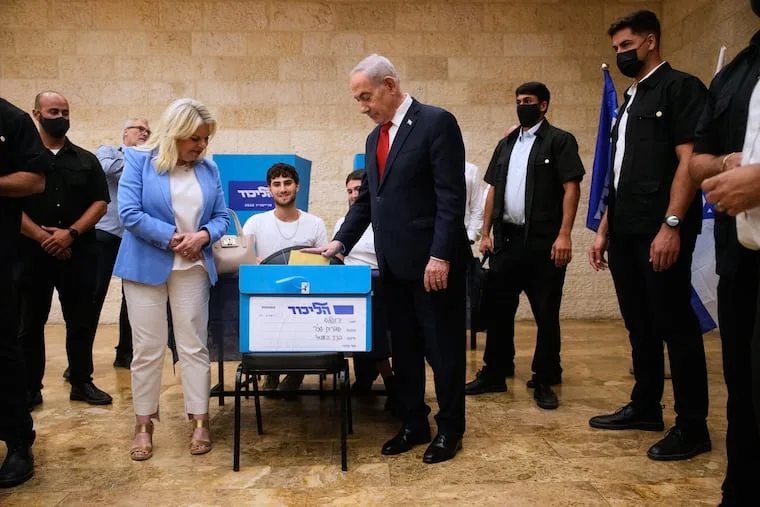
Israeli Prime Minister Benjamin Netanyahu faces mounting political pressure after a report alleged that UAE President Mohammed bin Zayed warned him of an impending Hamas attack days before the Oct. 7, 2023 assault. The claim, detailed in a report by the left-leaning Israeli newspaper Haaretz, has intensified scrutiny of Netanyahu’s leadership and his handling of national security ahead of the October 27 elections.
UAE Warning and Netanyahu’s Denial
According to Haaretz, UAE President Mohammed bin Zayed Al Nahyan contacted Netanyahu 10 days before the Oct. 7 attack, warning that Hamas leader Yahya Sinwar was planning a “major operation.” The report, based on a forthcoming book by journalists Shlomi Eldar and Ruth Yuval, claimed bin Zayed expressed concerns about the potential for regional destabilization and damage to the Abraham Accords, the 2020 normalization agreements between Israel and several Arab states.
Netanyahu’s office categorically denied the report, calling it an “absolute lie” and stating that the prime minister “received no warning from the UAE.” The UAE’s foreign ministry similarly declined to comment on “speculation regarding conversations between government leaders,” though it reiterated that “open and direct lines of communication” had existed between the two nations since their diplomatic ties were established.
Haaretz’s account described Netanyahu responding to the warning with “relative calm,” assuring bin Zayed that Israel was prepared for potential threats and that a Hamas attack was more likely to originate from the West Bank. The newspaper also cited anonymous sources suggesting that Netanyahu’s office had previously dismissed intelligence about Hamas’s plans, including warnings from Egyptian officials.
Opposition Leaders Condemn Netanyahu
The allegations have triggered sharp criticism from Netanyahu’s political rivals. Gadi Eisenkot, a former military commander and leading opposition figure, accused the prime minister of “evading responsibility” for security failures, stating, “Netanyahu received dozens of warnings for October 7 and ignored them all. He is unfit.” Naftali Bennett, a former prime minister and election contender, declared, “Netanyahu bears personal and direct responsibility for the failure that led to the deaths of thousands of Israelis on his watch.”
Yair Golan, leader of the centre-left Democrats Party, criticized Netanyahu for “endangering Israel,” adding, “You knew, you ignored, you failed, you are to blame.” These statements reflect broader opposition demands for an independent commission to investigate the intelligence and security lapses that preceded the attack.
Netanyahu has consistently rejected calls for an official inquiry, instead announcing a government-led probe. His office emphasized that any intelligence exchanges between Israel and the UAE would occur through formal channels, though it did not confirm or deny whether warnings were shared.
Election Context and Political Fallout
The controversy has become a central issue in Israel’s upcoming national elections, with Netanyahu’s rivals framing the allegations as proof of his incompetence. The prime minister’s office has sought to downplay the report, but the timing—just weeks before the vote—has amplified its political impact. Opposition parties have pledged to establish an independent inquiry if they win, a move Netanyahu has dismissed as “pathetic” and “irresponsible.”
The Oct. 7 attack, which killed 1,200 Israelis and took 251 hostages, remains one of the deadliest in the country’s history. The subsequent Israeli military campaign in Gaza has resulted in the deaths of over 73,650 Palestinians, according to the Hamas-run Gaza Health Ministry. The United Nations has deemed the ministry’s figures reliable, though Israel has not independently verified the numbers.
Historical Ties and Strategic Considerations
The UAE-Israel relationship, a cornerstone of the Abraham Accords, has been a focal point of Netanyahu’s foreign policy. Despite global criticism of Israel’s actions in Gaza, the UAE has maintained robust diplomatic and economic ties with the country. The reported warning from bin Zayed underscores the complex interplay between regional alliances and security concerns.
Former Israeli government spokesperson Eylon Levy, commenting on the allegations, called the Oct. 7 attack a “strategic failure” rooted in Netanyahu’s belief that Hamas was deterred. “If this report is true, it’s hard to say why he wouldn’t pass that on, other than that he didn’t think it was credible,” Levy said.
| Detail | Information |
|---|---|
| UAE warning claim | Haaretz reported UAE President Mohammed bin Zayed warned Netanyahu 10 days before Oct. 7, 2023, about Hamas’s planned operation. |
| Netanyahu’s response | His office denied the report, calling it an “absolute lie” and stating no warning was received from the UAE. |
| Opposition reactions | Leaders like Gadi Eisenkot and Naftali Bennett accused Netanyahu of ignoring warnings and failing to prevent the attack. |
| Election date | Israeli national elections are scheduled for October 27, 2026. |
Frequently Asked Questions
Did the UAE actually warn Netanyahu about the Oct. 7 attack?
The claim originates from a Haaretz report citing anonymous sources, but Netanyahu’s office and the UAE have both denied the allegations. The report is based on a forthcoming book, and no independent verification has been provided.
How is this controversy affecting Netanyahu’s re-election bid?
The allegations have intensified scrutiny of Netanyahu’s leadership, with opposition leaders accusing him of negligence. The issue is central to the October 27 election campaign, as voters weigh his handling of the Oct. 7 attack and national security.
What is the status of the UAE-Israel relationship?
The two nations maintain “open and direct lines of communication” since normalizing ties under the 2020 Abraham Accords. The UAE has not commented on the specific allegations but reiterated its commitment to intelligence sharing.
The controversy surrounding Netanyahu’s alleged knowledge of the Oct. 7 attack remains unresolved, with both sides offering conflicting accounts. As the election approaches, the debate over accountability and security strategy is likely to dominate Israeli political discourse. The next critical development will be whether an independent inquiry into the attack’s intelligence failures gains traction, potentially reshaping the country’s political landscape.
Dateline Wire is dedicated to independent, evidence-backed reporting. This briefing was synthesized from primary source reporting, corroborated across independent newsrooms, and verified against our Editorial Standards.