Dozens at an Ebola treatment center in Congo strike over unpaid salaries
Health workers in Ituri have shut down a critical Ebola facility to protest months of missing wages, complicating the fight against the Bundibugyo virus.
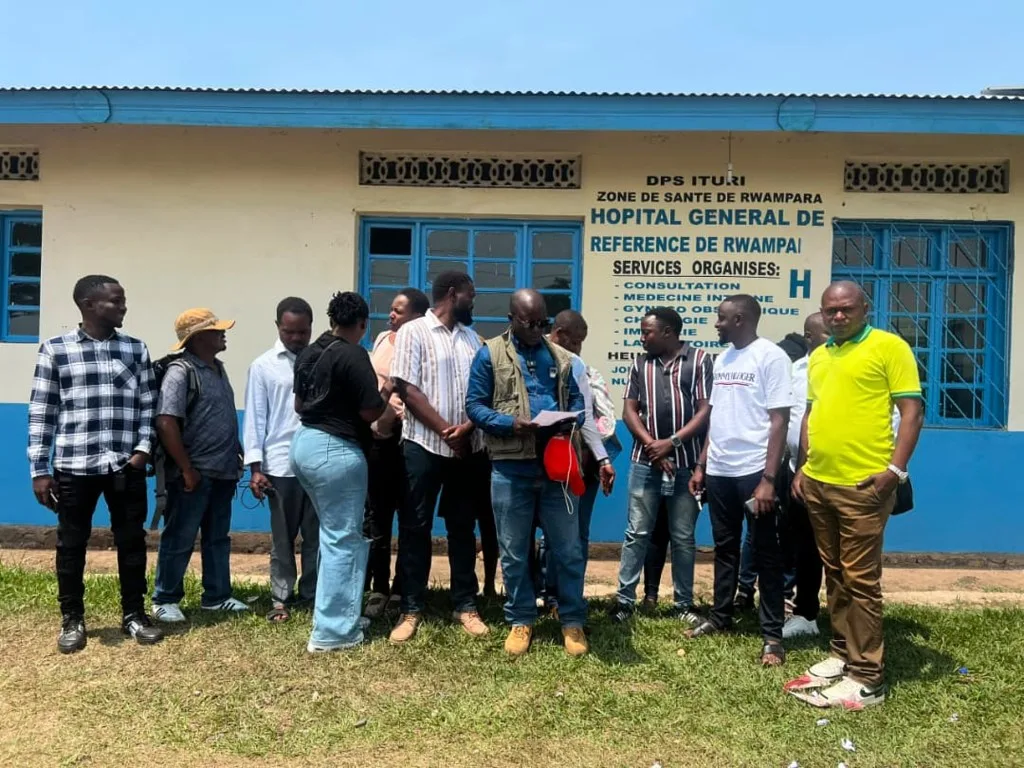
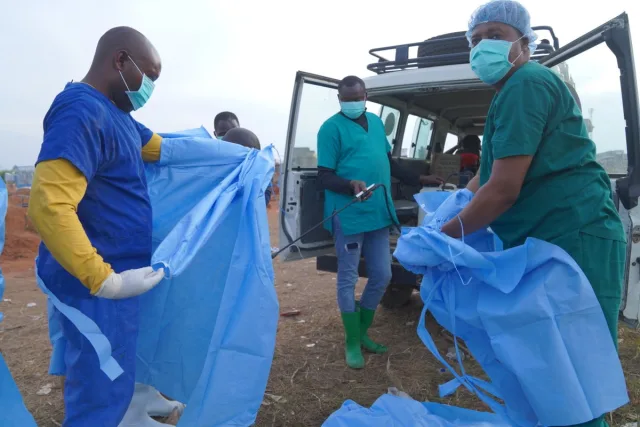
Dozens of workers at an Ebola treatment center in northeastern Congo have gone on strike over unpaid salaries and bonuses, disrupting efforts to contain the continent’s fastest-growing Ebola outbreak. The protest, which began on Monday, July 13, 2026, at Rwampara General Hospital in Ituri province, has intensified concerns about the stability of the region’s public health response as the virus continues to spread.
The striking staff, including epidemiologists, case investigators, drivers, and gravediggers, accused Congolese authorities of failing to pay them for two months. They shut down the hospital and blocked the road leading to it, burning a tire outside as a symbol of their frustration. “We don’t know how it is possible to not have been paid for two months,” said Bahati Claude, a health worker at the facility, according to the Associated Press. “We don’t want to give up the job.”
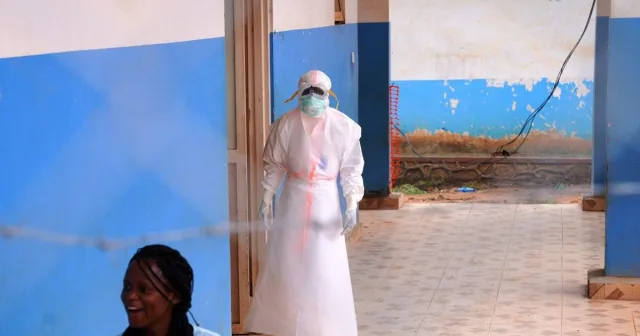
The outbreak, declared by Congolese authorities on May 15, is caused by the rare Bundibugyo virus, which has no approved treatment or vaccine. The World Health Organization (WHO) noted that the delay in confirming the outbreak stemmed in part from initial tests targeting a more common Ebola strain. As of the latest reports, there are 1,926 confirmed cases and 702 deaths in the country, with the virus now spreading to two additional provinces, according to Congolese Health Minister Roger Kamba.
Kamba acknowledged challenges in verifying payroll lists, citing “unrelated names” added to the records, which have led to disputes over payments. “We must ensure that these payments reach the right people,” he said during a recent visit to Ituri. “We have the means to sort this out.” However, the strike has underscored the growing tension between frontline workers and the government, with staff demanding immediate resolution to avoid further disruptions in the response effort.
The protest comes as the Ebola crisis faces additional hurdles. A separate study of two potential treatments for the Bundibugyo virus began earlier this month in Ituri, but the strike at Rwampara General Hospital risks undermining coordination between research and care facilities. The hospital, which serves as a critical hub for outbreak management, has also been a focal point for community engagement and case tracking.
International attention has also turned to the broader implications of the strike. WHO Director-General Tedros Adhanom Ghebreyesus highlighted the case of a second U.S. citizen, a humanitarian worker in eastern Congo, who was transferred to Germany after contracting Ebola. The first American to test positive for the virus was a doctor working in the region during the early weeks of the outbreak. These developments have raised questions about the global risks of the epidemic, even as local workers grapple with their own financial struggles.
The strike has not only disrupted medical operations but also highlighted payroll and payment issues in Congo’s public health infrastructure. Workers at Rwampara General Hospital, many of whom have been on the frontlines of the outbreak since its onset, argue that their unpaid labor has been essential to containing the virus. Their actions have drawn support from local communities, who fear that the strike could exacerbate the crisis by slowing down response efforts.
Congolese officials have emphasized their commitment to resolving the payroll disputes, but the situation remains volatile. With the Ebola outbreak continuing to evolve, the strike underscores the delicate balance between financial accountability and the urgent need for sustained public health interventions. As the government works to address the grievances of workers, the focus remains on ensuring the response remains effective amid these challenges.
Dateline Wire is dedicated to independent, evidence-backed reporting. This briefing was synthesized from primary source reporting, corroborated across independent newsrooms, and verified against our Editorial Standards.