Poundland collapses into administration, putting 12,000 jobs at risk
Poundland has collapsed into administration following the failure of rescue talks, putting jobs and hundreds of stores at risk ahead of Christmas.
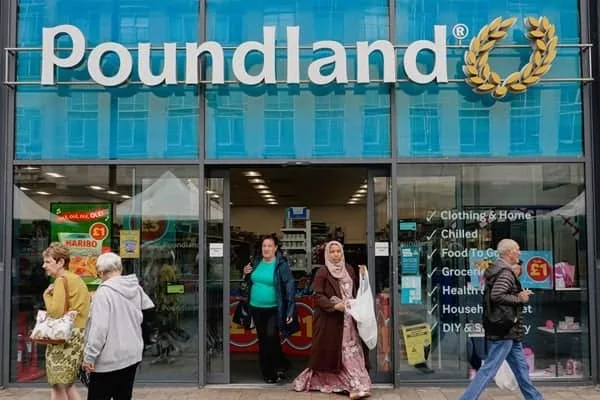
Poundland has collapsed into administration, leaving the future of around 600 stores and approximately 11,000 employees in jeopardy just weeks before the Christmas trading season. The move follows months of escalating tension between the discount retailer’s board and its American owner, Gordon Brothers, which bought the chain from Pepco Group for just €1 in June 2025.
The appointment of administrators at AlixPartners marks a critical failure to secure a solvent takeover. While management at the high street retailer engaged with potential buyers, including the Northern Ireland-based Martin Property Group, London-based Xyra Group Holdings, and German firm Zachert Private Equity, no agreement was reached before a key deadline late on Wednesday, November 25, 2026. This collapse leaves around 11,000 jobs at risk, a figure cited by the BBC and Manchester Evening News, while londonlovesbusiness.com reports the total at 12,000.
What happened to the rescue negotiations?
The central point of friction in the failed rescue was a £30 million shareholder loan, consisting of £22.5 million owed to Gordon Brothers and £7.5 million owed to the previous owner, Pepco. According to reports from the BBC and londonlovesbusiness.com, Martin Property Group submitted two fully financed offers during the last six weeks, including a proposal to pay £5 million upfront with the remainder deferred until 2030. These were rejected by the owners.
Poundland managing director Barry Williams and finance chief Shaun Wills had initially supported these takeover bids. However, the path to a deal was blocked when Gordon Brothers reportedly refused to restore the retailer’s working capital to previous levels. Poundland boss Barry Williams stated in a note to staff that the board had "no alternative" after Gordon Brothers removed access to borrowing facilities and bank accounts on October 27, 2026, and failed to release adequate funds to keep the business solvent.
Who is being held accountable for the collapse?
Gordon Brothers has come under intense scrutiny for its management of the retailer. Reports indicate the firm has taken £18.3 million in fees and charges since acquiring the chain last year. MPs on the Business and Trade Select Committee are now seeking to recall Mark Newton-Jones, the firm’s head of European operations, to give evidence regarding the company's conduct. Committee chairman Liam Byrne noted that Poundland directors had previously provided the committee with a dossier of evidence concerning the management of the firm.
The investment firm has defended its position, stating it invested £85 million in Poundland over the past year to prevent an earlier insolvency. Regarding the administration, a spokesperson for Gordon Brothers said the firm had explored every avenue to secure a sale of the whole company
but noted that the retailer had faced years of instability and remained vulnerable to inflationary pressures. Meanwhile, Prime Minister Andy Burnham described the situation as "deeply concerning" for workers and their families, asserting that the retailer remains part of the fabric of the high street.
What happens to the stores and employees now?
AlixPartners has confirmed that Poundland will continue to trade in the near term while they pursue a sale of the business and its assets. The administrators have indicated they will look at all options, which may include selling the business in whole or in parts. However, analysts suggest that a rescue as a going concern is unlikely. Instead, the business faces a potential breakup, with established rivals such as B&M, Tesco, and Lidl expected to compete for individual store locations.
For customers, the immediate impact includes a change in return policies. As of November 26, 2026, the company no longer offers refunds or exchanges for items purchased in-store if a customer simply changes their mind. For employees, the situation remains highly volatile. The administrators have encouraged retail operators with open employment opportunities to contact them, as the prospect of the company being carved up suggests that many of the 600 stores may not survive the administration process.
The collapse reveals a stark disconnect between an owner’s financial management and the operational requirements of a major retailer during its most vital season. With creditors enforcing their rights and the business effectively stripped of its capital buffers, the window for a orderly rescue has passed, leaving the taxpayer to potentially shoulder a redundancy bill of up to £35 million.