Sheikh Hasina's Voluntary Return To Bangladesh Separate From Extradition…
India's MEA separated Sheikh Hasina's potential voluntary return on a travel document from Bangladesh's formal extradition request ahead of Victory Day.
Fast Actions
Audio Dispatch
Citation
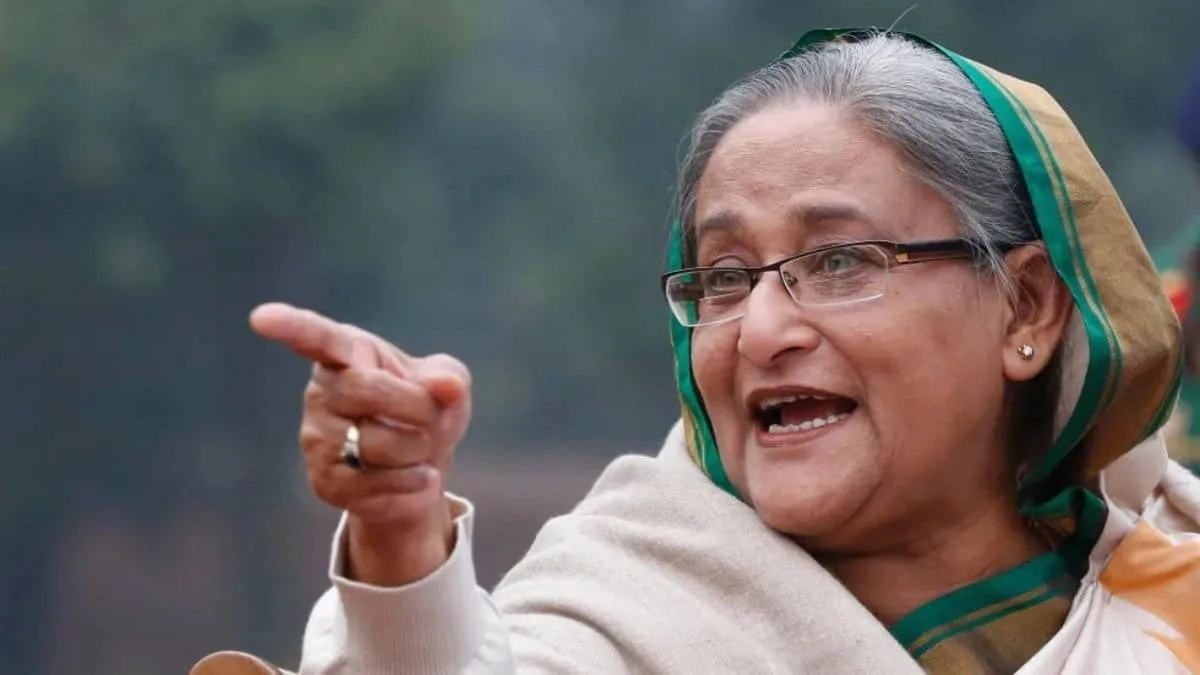
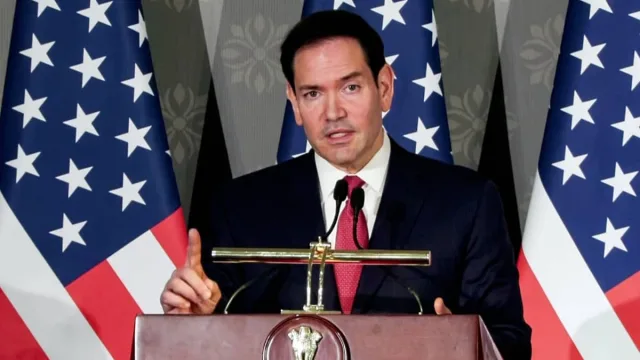
India’s Ministry of External Affairs drew a sharp line on Wednesday between two paths back to Bangladesh for Sheikh Hasina: a voluntary return on a travel document, and the formal extradition request that Dhaka has lodged. The distinction matters because Hasina has said she wants to be home by December 16, Bangladesh’s Victory Day, while Bangladesh’s government insists she can only come back in custody. India has not ruled out Hasina’s voluntary return while it continues to examine Bangladesh’s extradition request under established legal processes. ### What did India actually say about Hasina’s return? Responding to questions at a media briefing in New Delhi, MEA spokesperson Randhir Jaiswal said the extradition request from Bangladesh is being examined in line with established processes. He then separated that from any voluntary return."The extradition request, as I've said this before, is being examined in line with our established processes. The case of a citizen willing to return voluntarily to her country on a travel document is a matter separate from the extradition request."
Randhir Jaiswal, MEA spokesperson, via Republic World
The case of a citizen willing to return voluntarily to her country on a travel document is a matter separate from the extradition request,Jaiswal said. The remarks follow reports that Hasina intends to return to Bangladesh on December 16, coinciding with Victory Day celebrations. Her spokesperson, Syed Mozammel Ali, reportedly said earlier that she had sought arrangements from the Dhaka administration to travel from Delhi to Dhaka aboard Biman Bangladesh Airlines, the national flag carrier.
Since Sheikh Hasina was flown to India on a Bangladesh aircraft on August 5, 2024, she now calls upon the government to arrange for her air transport from Delhi back to Dhaka,Ali said, according to Reuters. India’s position leaves both doors technically open, but it does not resolve the central problem: Hasina needs a valid travel document to leave India, and Bangladesh must agree to admit her. ### What is Bangladesh saying? Bangladesh’s State Minister for Foreign Affairs, Humayun Kobir, dismissed the reported plan on Tuesday. He said Hasina would only be allowed to return through extradition and under custody.
The reality is that a terrorist will never be allowed to return except through extradition… She is not a regular commercial passenger. She can only be brought back in handcuffs and under strict surveillance,The Business Standard quoted Kobir as saying. Kobir also reportedly described Hasina’s request as delusional. The chief prosecutor of Bangladesh’s International Crimes Tribunal termed her appeal for a state aircraft to bring her back as “nothing but madness.” The two governments are therefore talking past each other on the mechanics of her return. New Delhi treats a voluntary journey on a travel document as one issue; Dhaka treats any return as an extradition issue. ### What does the law say about voluntary return versus extradition? The legal question at the heart of the dispute is whether a willing returnee can bypass extradition. News18’s legal analysis points to the 2013 India-Bangladesh Extradition Treaty. Under Article 10, an extradition request must go through diplomatic channels and include information about the person, the alleged offence and the relevant laws. If the person has already been convicted and sentenced, the requesting country must also provide the certificate of conviction and sentence. Article 16 covers the actual surrender: if extradition is granted, the person is sent by the authorities of the requested country to a point of departure indicated by the requesting country. India’s Extradition Act, 1962, supplies the domestic framework. Sections 4 to 8 allow a foreign government’s requisition to lead to a magisterial inquiry, examination of evidence and a decision on surrender. The treaty does not spell out an automatic route for voluntary return that bypasses extradition. Nor does it say that someone who consents to return must go through every stage of a contested inquiry. The legal implications of Hasina’s consent would have to be assessed by Indian authorities. There are also grounds for refusal. Article 6 contains a political offence exception, though it excludes murder, manslaughter, culpable homicide, certain assaults, kidnapping and specified terrorism-related offences from being treated as political offences. Article 8 allows refusal if extradition would be unjust or oppressive, including where the accusation was not made in good faith in the interests of justice. India’s Extradition Act has corresponding safeguards in Sections 29 and 31. ### What is Hasina’s legal situation in Bangladesh? Hasina served as Bangladesh’s Prime Minister from 2009 until 2024. She arrived in India on August 5, 2024, after a student-led uprising over public sector job quotas escalated into nationwide unrest against her government. She was sentenced to death in absentia by Bangladesh’s International Crimes Tribunal in November 2025 for crimes against humanity linked to the suppression of protesters. She has denied wrongdoing and rejected the legitimacy of the proceedings. Her diplomatic passport was cancelled after she fled Bangladesh in August 2024. Her attempts to obtain fresh Bangladeshi travel documents have run into resistance from Dhaka, which maintains she is not eligible for a new passport following her conviction. India’s MEA has said a travel document is necessary for international travel. Asked about Hasina’s passport and extradition, Jaiswal described the matter as a legal one to be dealt with through the appropriate process. ### What happens next? The concrete date to watch is December 16. That is when Hasina says she wants to return to Bangladesh, and it is also Victory Day. Before then, India must decide what legal restrictions, if any, apply to her departure, what travel documentation can be issued or accepted, and whether her proposed journey would be a voluntary departure or a state-facilitated transfer. Bangladesh, for its part, would have to permit her entry. Dhaka has so far said she can only come back through extradition and under custody. If India were to arrange and hand her over to Bangladeshi authorities, that would plainly engage the extradition framework. If she were permitted to travel independently with valid documents and Bangladesh agreed to receive her, the legal character of the journey could be different. The MEA also used Wednesday’s briefing to raise a separate concern. Jaiswal said India is concerned at reports of violence against minorities in Bangladesh, including attacks on Hindus in areas such as Narail and Pabna, and urged the government of Bangladesh to thoroughly investigate and bring the perpetrators to justice. The next step is for New Delhi to complete its examination of the extradition request and to clarify whether a voluntary return on a travel document can proceed while that examination continues. December 16 will show whether the two governments have found a way to reconcile their positions, or whether Hasina remains in India.