Frasers Group acquires Harvey Nichols out of administration
Mike Ashley's retail empire has rescued the luxury department store chain out of administration, promising a significant restructuring.
- Headline: Frasers Group acquires Harvey Nichols out of administration
- Dispatch Summary: Mike Ashley's retail empire has rescued the luxury department store chain out of administration, promising a significant restructuring.
- Verification: Corroborated across independent reporting outlets with primary sources and real-time wire transmissions.
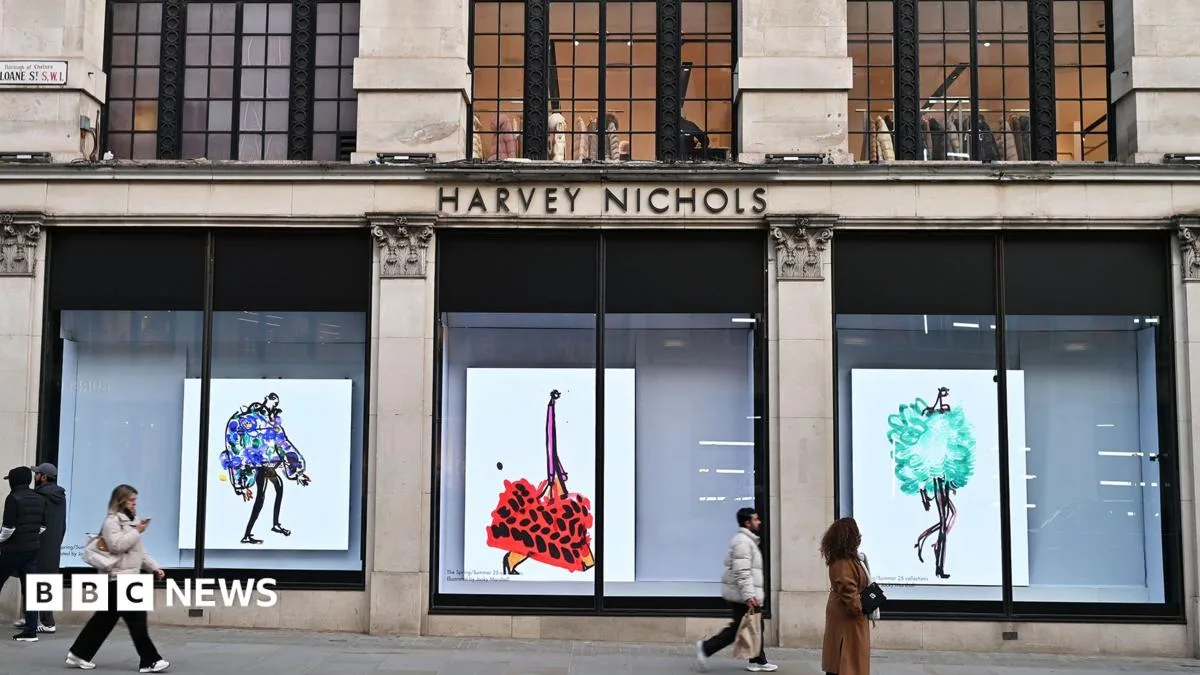
Frasers Group, the retail and property conglomerate owned by billionaire Mike Ashley, has acquired the struggling luxury department store Harvey Nichols out of administration, marking a significant shift in the UK’s retail landscape. The deal, finalized after a protracted auction process, secures the future of the 200-year-old brand while signaling Frasers’ broader ambitions in the luxury market.
Harvey Nichols, famed for its association with the 1990s sitcom *Absolutely Fabulous* and its flagship Knightsbridge location, had faced mounting financial pressures. The chain appointed administrators in June 2026 after posting five consecutive years of losses, with its latest accounts warning of potential collapse within a year without new investment. The firm’s struggles included intense competition from rivals like Harrods and Selfridges, as well as a perceived lack of modernization. Retail expert Catherine Shuttleworth noted that the store’s “look [was] terrible” and “really tired,” citing a lack of investment as a key factor in its decline.
Frasers Group, which also owns Sports Direct, Flannels, and Gieves & Hawkes, emerged as the victorious bidder in a contest against retail rival Next. The acquisition, structured through a pre-pack administration process, includes Harvey Nichols’ six UK stores — located in London, Manchester, Birmingham, Bristol, Leeds, and Edinburgh — as well as its online business and existing inventory. However, the department store’s Oxo Tower restaurant in London was sold separately, highlighting the complexity of the transaction.
Michael Murray, Frasers’ chief executive and Ashley’s son-in-law, emphasized the need for “meaningful change” to ensure Harvey Nichols’ sustainability. “The turnaround will require tough choices and we are prepared to make those decisions, even if that means a smaller business in the near term,” he stated. The group plans a “significant restructuring,” including a review of the store’s portfolio, cost base, and operational model. While the deal secures over 1,000 jobs, industry analysts suggest potential job losses may follow as part of the consolidation.
The acquisition aligns with Frasers’ strategy to expand beyond its discount sportswear roots. The group has previously targeted luxury brands, including a failed bid for Mulberry and a £1.7bn offer for German fashion house Hugo Boss. Ashley, the 48th richest person in the UK with an estimated net worth of £3.44 billion, had previously downplayed the value of Harvey Nichols, predicting it would sell for less than £40 million. However, the final terms of the deal remain undisclosed.
Julia Goddard, Harvey Nichols’ chief executive, described the sale as an “important milestone,” highlighting the brand’s potential for reinvention under Frasers’ ownership. “We have made significant progress in repositioning this iconic business,” she said, citing investments in its flagship store and efforts to strengthen its brand identity. Lindsay Hallam, a senior director at administrator FTI Consulting, praised the deal for providing “continuity” and protecting the legacy of a “200-year-old retailer.”
The transaction also underscores the challenges facing traditional department stores in an era of shifting consumer habits. Shuttleworth noted that “department stores are cash-hungry monsters” requiring constant investment. Frasers’ approach, she suggested, may lean more on the “Flannels-esque” model, emphasizing curated luxury experiences, than the “Sports Direct-esque” discount strategy. This pivot reflects broader industry trends, as retailers seek to balance heritage with modernization to remain competitive.
For Harvey Nichols, the deal represents both a lifeline and a test. While Frasers’ resources could revitalize the brand, the path forward remains uncertain. The group’s history of restructuring, such as its acquisition of the York Designer Outlet in April 2026, suggests a willingness to make difficult decisions. As Murray noted, the goal is to create a “stronger and more sustainable” Harvey Nichols, even if it means operating on a smaller scale in the short term. The coming months will reveal whether this vision translates into long-term success for the iconic but beleaguered retailer.
How significant is this wire dispatch?
Cast your anonymous vote to register reader consensus across journalism and intelligence sectors.
Dateline Wire is dedicated to independent, evidence-backed reporting. This briefing was synthesized from primary source reporting, corroborated across independent newsrooms, and verified against our Editorial Standards.