Zelenskyy says North Korean ballistic missiles used by Russia in deadly …
Ukrainian President Volodymyr Zelenskyy accused Russia of using North Korean ballistic missiles in overnight strikes that killed at least nine civilians.
- Headline: Zelenskyy says North Korean ballistic missiles used by Russia in deadly …
- Dispatch Summary: Ukrainian President Volodymyr Zelenskyy accused Russia of using North Korean ballistic missiles in overnight strikes that killed at least nine civilians.
- Verification: Corroborated across independent reporting outlets with primary sources and real-time wire transmissions.
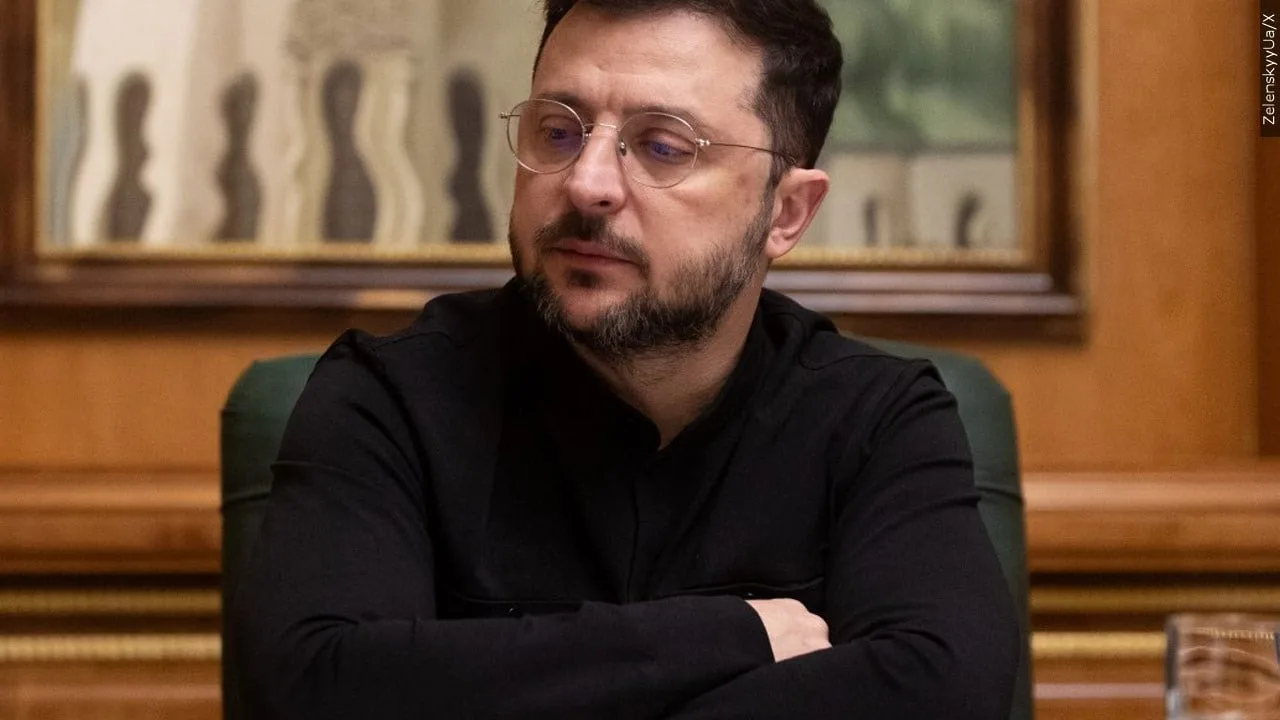
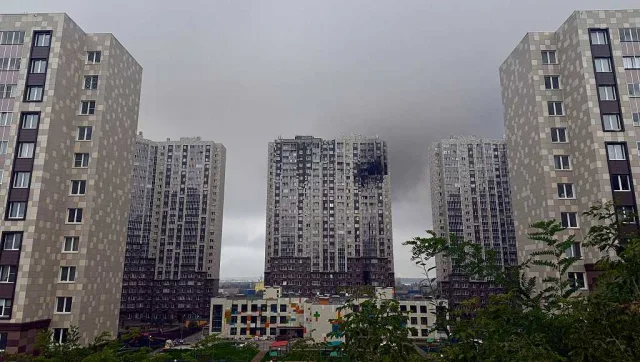
Ukrainian President Volodymyr Zelenskyy accused Russia of using North Korean ballistic missiles in overnight strikes that killed at least nine civilians, according to multiple news outlets. The attacks, described by Zelenskyy as “vicious” and “calculated to inflict maximum damage on civilian infrastructure,” targeted multiple regions, including the southeastern city of Zaporizhzhia, where six people were killed and 19 wounded, and the central Dnipropetrovsk region, where three others died, according to Ukrainian officials. The claims come amid growing concerns over Russia’s expanding military partnership with North Korea, which has already seen Pyongyang send thousands of troops and weapons to support Moscow’s invasion.
Zelenskyy’s assertions were echoed in reports from Ukrainian and international media, which cited unspecified officials and military sources. The president specifically mentioned North Korean ballistic missiles, including Zircon anti-ship missiles and KAB precision-guided bombs, in the Zaporizhzhia attack. However, neither Russia nor North Korea has confirmed the use of North Korean weaponry, and Ukraine has not publicly provided evidence to substantiate the claim. The Russian Defense Ministry attributed the strikes to “ground-based precision weapons,” while emphasizing that its forces targeted “military industrial facilities and transport and logistics centers.”
The attacks occurred as Russia intensified its missile campaign, leveraging its growing stockpile of ballistic weapons to exploit Ukraine’s critical shortage of advanced air defense systems like the U.S.-made Patriot interceptors. Zelenskyy warned that Moscow’s actions signaled a shift toward “escalation,” citing increased missile production and preparations for mobilization. “Every step Russia takes—increasing ballistic missile production, bringing in North Korean equipment, preparing for mobilization—shows that Moscow is preparing not for peace, but for escalation,” he stated on social media.
Russia’s military alliance with North Korea, formalized through a strategic partnership agreement signed in 2024, has deepened since the war began. Pyongyang has supplied Moscow with artillery, missiles, and thousands of troops, including forces deployed to the Kursk region in 2024. Zelenskyy alleged that North Korea is now preparing to deploy “30,000 to 50,000” additional troops to Russia, though he did not provide a timeframe or evidence for the claim. The South Korean government, which has refused to supply lethal weapons to Ukraine, condemned the partnership as a threat to regional security but has not confirmed the troop deployment or engaged in direct diplomatic discussions with Kyiv over military aid.
The strikes also highlighted Ukraine’s increasingly aggressive long-range operations. In response to Russian attacks, Ukrainian forces targeted an oil refinery in Russia’s Orenburg region and a Wildberries logistics facility in Voronezh, disrupting supply chains and economic activity. Russia, meanwhile, claimed to have intercepted nearly 400 Ukrainian drones over 14 regions, including occupied Crimea, as part of its air defense efforts.
International reactions to the escalating conflict remain fragmented. U.S.-led diplomatic efforts to broker a ceasefire have stalled, with Washington prioritizing its focus on the Iran conflict. The Institute for the Study of War, a Washington-based think tank, warned that Ukraine’s Patriot missile shortages would allow Russia to inflict “very serious damage” during the winter, prolonging the war. Meanwhile, South Korea reiterated its stance of non-lethal aid to Ukraine, citing domestic legal constraints, despite calls from Kyiv for greater support to counter the Russia-North Korea alliance.
The latest attacks underscore the war’s spiraling dynamics, with both sides leveraging external alliances and advanced weaponry to gain strategic advantages. As Zelenskyy urged Western allies to increase sanctions and air defense support, the humanitarian toll continued to mount, with strikes damaging hospitals, power grids, and civilian infrastructure. The conflict’s trajectory now hinges on the interplay of military capabilities, geopolitical alliances, and the resilience of Ukraine’s defense efforts amid an increasingly complex and dangerous landscape.
How significant is this wire dispatch?
Cast your anonymous vote to register reader consensus across journalism and intelligence sectors.
Dateline Wire is dedicated to independent, evidence-backed reporting. This briefing was synthesized from primary source reporting, corroborated across independent newsrooms, and verified against our Editorial Standards.