Russian strikes kill 9 in Ukraine as Zelenskyy warns of North Korean mis…
Russian air strikes have killed at least nine civilians across multiple Ukrainian regions, as President Volodymyr Zelenskyy warns of escalating cooperation with North Korea.
- Headline: Russian strikes kill 9 in Ukraine as Zelenskyy warns of North Korean mis…
- Dispatch Summary: Russian air strikes have killed at least nine civilians across multiple Ukrainian regions, as President Volodymyr Zelenskyy warns of escalating cooperation with North Korea.
- Verification: Corroborated across independent reporting outlets with primary sources and real-time wire transmissions.
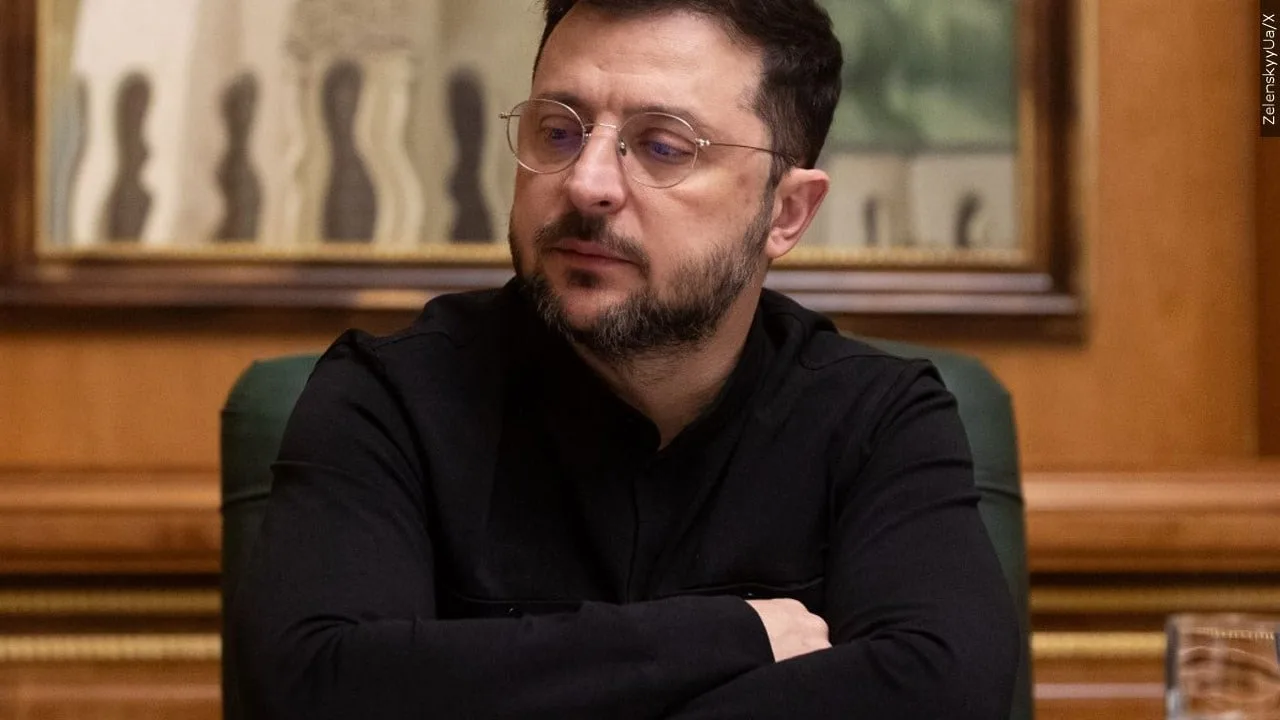
Russian forces launched a series of aerial attacks on Ukrainian cities, killing at least nine civilians and damaging critical infrastructure, as Ukrainian President Volodymyr Zelenskyy accused Moscow of receiving military support from North Korea. The strikes, reported across multiple regions including Zaporizhzhia, Dnipropetrovsk, and Kyiv, marked an escalation in the conflict, with Zelenskyy alleging the use of North Korean ballistic missiles and urging international attention to the growing alliance between Russia and Pyongyang.
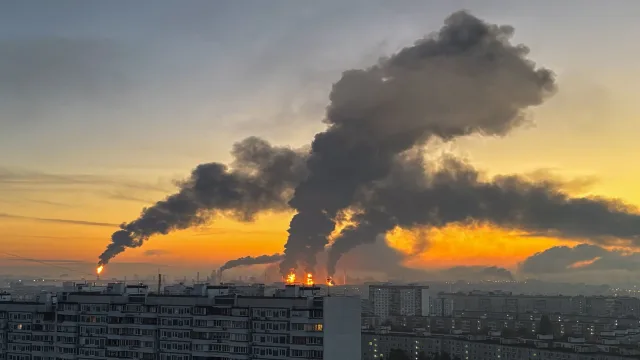
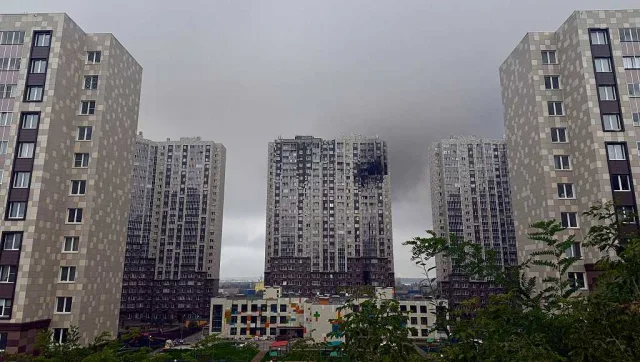
Ukrainian officials reported that overnight attacks killed six people in Zaporizhzhia, where local authorities described the city as targeted by North Korean-supplied ballistic missiles, Zircon anti-ship missiles, and precision-guided aerial bombs. Another three civilians, including a 15-year-old boy, were killed in the Dnipropetrovsk region by drones and artillery, according to regional authorities. The Russian Defense Ministry claimed its forces struck “military industrial facilities and transport and logistics centers” in Kyiv and Zaporizhzhia, while Ukrainian officials reported damage to civilian storage facilities and a metallurgical plant in Zaporizhzhia.
Zelenskyy’s assertions about North Korean involvement came as part of broader claims that Russia is expanding its military cooperation with Pyongyang. The Ukrainian president stated that Moscow is preparing to deploy “30,000 to 50,000” North Korean troops to support its invasion, citing a “comprehensive strategic partnership” agreement signed between Russian President Vladimir Putin and North Korean leader Kim Jong Un in 2024. This pact, which includes mutual aid provisions, has already seen Pyongyang send thousands of troops and vast quantities of weapons to Russia, according to Ukrainian and independent assessments.
Russian forces also targeted Kyiv, with one strike hitting the grounds of a children’s hospital, leaving two craters and shattering windows. While no casualties were reported at the hospital, a separate attack sparked a fire in a warehouse that spread across 1,200 square meters. The Russian Defense Ministry asserted that its air defenses intercepted nearly 400 Ukrainian drones over 14 regions, including Crimea, but Ukrainian officials confirmed the use of Zircon and Iskander missiles, alongside 120 long-range strike drones, in the attacks.
The conflict has intensified amid Ukraine’s ongoing efforts to counter Russian bombardments, which it attributes to Moscow’s exploitation of Kyiv’s shortages of advanced air defense systems like the Patriot. Zelenskyy warned that Russia’s focus on scaling up ballistic missile production and mobilizing additional troops signals a strategy of “escalation” rather than negotiation. “Every step Russia takes — increasing ballistic missile production, bringing in North Korean equipment, preparing for mobilization — shows that Moscow is preparing not for peace, but for escalation,” he stated on social media.
Ukrainian forces have retaliated by striking Russian infrastructure, including an oil refinery in the Orenburg region and logistics facilities belonging to Wildberries, Russia’s largest online retailer. The Ukrainian General Staff reported that the Orsk refinery fire followed a previous strike on Wildberries warehouses in Voronezh, part of a broader strategy to pressure Moscow into negotiations. Meanwhile, Russian authorities claimed a Ukrainian drone attack killed 13 people in Nizhnekamsk, marking one of the deadliest civilian tolls in Russia in months.
The war, now in its fourth year, has seen no resolution despite U.S.-led diplomatic efforts, which have stalled as Washington shifts focus to the Iran conflict. Analysts note that Ukraine’s reliance on Western aid, despite its critical need for more air defense systems and long-range capabilities, has created a “war of attrition,” with Kyiv struggling to counter Russia’s missile campaigns. The Institute for the Study of War, a Washington-based think tank, warned that Ukraine’s Patriot shortages “will contribute to delaying meaningful negotiations and protracting the war.”
Russia’s continued use of Iranian-designed Shahed drones, adapted with jet engines to penetrate deeper into Ukrainian territory, has further complicated Kyiv’s defense efforts. At the same time, North Korea’s growing military engagement with Moscow is seen as a dual threat: enhancing Pyongyang’s capabilities while expanding Russia’s operational reach. Zelenskyy has repeatedly framed the conflict as a broader regional crisis, warning that North Korea’s battlefield experience could embolden it to threaten neighboring countries.
How significant is this wire dispatch?
Cast your anonymous vote to register reader consensus across journalism and intelligence sectors.
Dateline Wire is dedicated to independent, evidence-backed reporting. This briefing was synthesized from primary source reporting, corroborated across independent newsrooms, and verified against our Editorial Standards.