US launches 10th night of strikes on Iran as tanker attacked in Hormuz
Military tensions have escalated as the US targets Iranian military infrastructure, prompting Tehran to strike tankers and U.S. bases in the region.
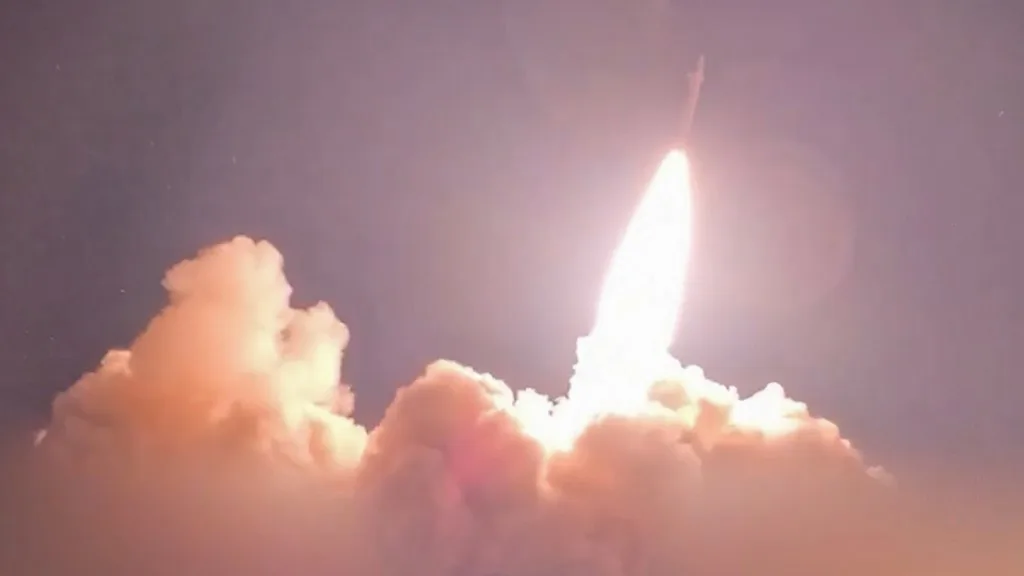
The United States launched its 10th consecutive night of airstrikes on Iran on July 21, 2026, as Tehran retaliated by attacking a tanker in the Strait of Hormuz, escalating tensions in the region. The strikes, which targeted Iranian military command centers, maritime capabilities, missile and drone launch sites, and air defense systems, marked a deepening of the conflict between the two nations. Iran, in turn, claimed responsibility for attacks on U.S. military bases in Bahrain, Kuwait, and Jordan, as well as the sinking of two oil tankers in the strategic waterway.
The U.S. Central Command stated that the strikes were aimed at "further degrading Iranian military capabilities used to attack commercial vessels" in the Strait of Hormuz, a critical route for global oil trade. Despite the relentless bombardment, Iran has maintained its grip on the strait, which handles about a fifth of global crude oil and natural gas shipments. The U.S. has accused Iran of blocking the waterway, while Tehran asserts it is defending its sovereignty and retaliating against what it calls "hostile actions."
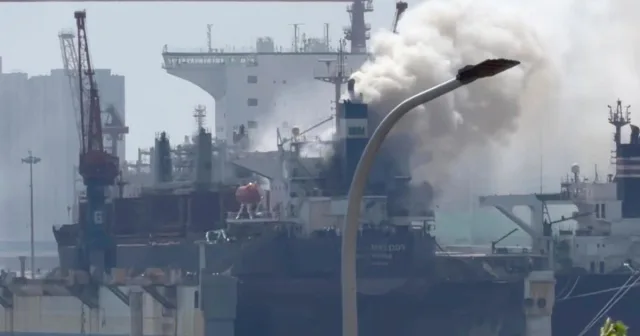
Early Tuesday, a tanker in the Strait of Hormuz was attacked, forcing its crew to abandon the vessel. The British Maritime Trade Operations center reported the incident, though the source of the attack remained unclear. Iran’s paramilitary Revolutionary Guard Corps (IRGC) claimed responsibility for the assault, along with two others on Monday. The IRGC also reported targeting two "non-compliant" tankers attempting to use a southern route near Oman, which it deemed unsafe. Rescue teams were dispatched to evacuate the crews, but the incident highlighted the growing risks for commercial shipping in the region.
Iran’s response to the U.S. strikes extended beyond the strait. The IRGC claimed to have destroyed a U.S. air defense system in Bahrain’s Muharraq area and a Patriot missile system in Al-Riffa. In Kuwait, it targeted radar, telecommunications, and missile defense infrastructure at U.S. airbases, while in Jordan, it struck a U.S. military base, destroying an F-15 fighter jet and radar coverage. The attacks underscored the expanding scope of the conflict, with U.S. allies in the Gulf facing direct threats.
The violence has taken a toll on both sides. U.S. officials confirmed that at least three service members were killed in recent days, including two in Jordan and one in Iraq. Nearly 100 U.S. troops have been injured since July 7, with 96% returning to duty, according to Pentagon spokesman Sean Parnell. Iran, meanwhile, reported 50 deaths and 517 injuries in U.S. strikes since February 28, when the conflict began. The U.S. State Department issued a warning to Americans, urging caution over potential attacks on diplomatic facilities and travel disruptions.
Diplomatic efforts to ease tensions have stalled. Iran’s Interior Minister Eskandar Momeni traveled to Pakistan for talks with Prime Minister Shehbaz Sharif, seeking to revive an interim ceasefire signed in June. However, the agreement collapsed after the U.S. resumed strikes and Israel continued attacks on Lebanon. Pakistan has intensified mediation efforts, but Tehran has warned that the Strait of Hormuz will remain closed "until U.S. hostile actions end."
The conflict has also spilled into other regions. Yemen’s Houthi rebels, backed by Iran, announced a maritime embargo on Saudi Arabia, targeting the Bab el-Mandeb strait. This threatens to further disrupt global trade, as Saudi Arabia relies on a pipeline to the Red Sea for oil exports. Meanwhile, in Lebanon, Israeli forces began withdrawing from three southern villages under a U.S.-brokered "pilot zone" agreement, though Hezbollah has refused to disarm, complicating the peace process.
U.S. President Donald Trump has signaled a hardline stance, vowing to "punish Iran for the deaths of American soldiers." His administration has also explored expanding the war, with reports of discussions to topple Iran’s regime. However, domestic pressure is mounting. Senate Democrats threatened to force a vote to end military operations, citing the risks to U.S. troops. Oil prices surged, with Brent crude exceeding $88 a barrel, as markets braced for further escalation.
The situation remains volatile, with both sides preparing for prolonged conflict. Iran has warned of "more decisive and powerful" attacks, while the U.S. continues its aerial campaign. The Strait of Hormuz, a lifeline for global energy markets, remains a flashpoint, with shipping traffic at a standstill. As diplomatic channels falter and military actions intensify, the prospect of a broader regional war looms large, with far-reaching consequences for global stability.
Dateline Wire is dedicated to independent, evidence-backed reporting. This briefing was synthesized from primary source reporting, corroborated across independent newsrooms, and verified against our Editorial Standards.