French parliament approves social media ban for children under 15
French lawmakers approved a bill requiring social media companies to verify user ages and restrict access for minors. The measure aims to protect young people from the psychological risks of unregulated digital content.
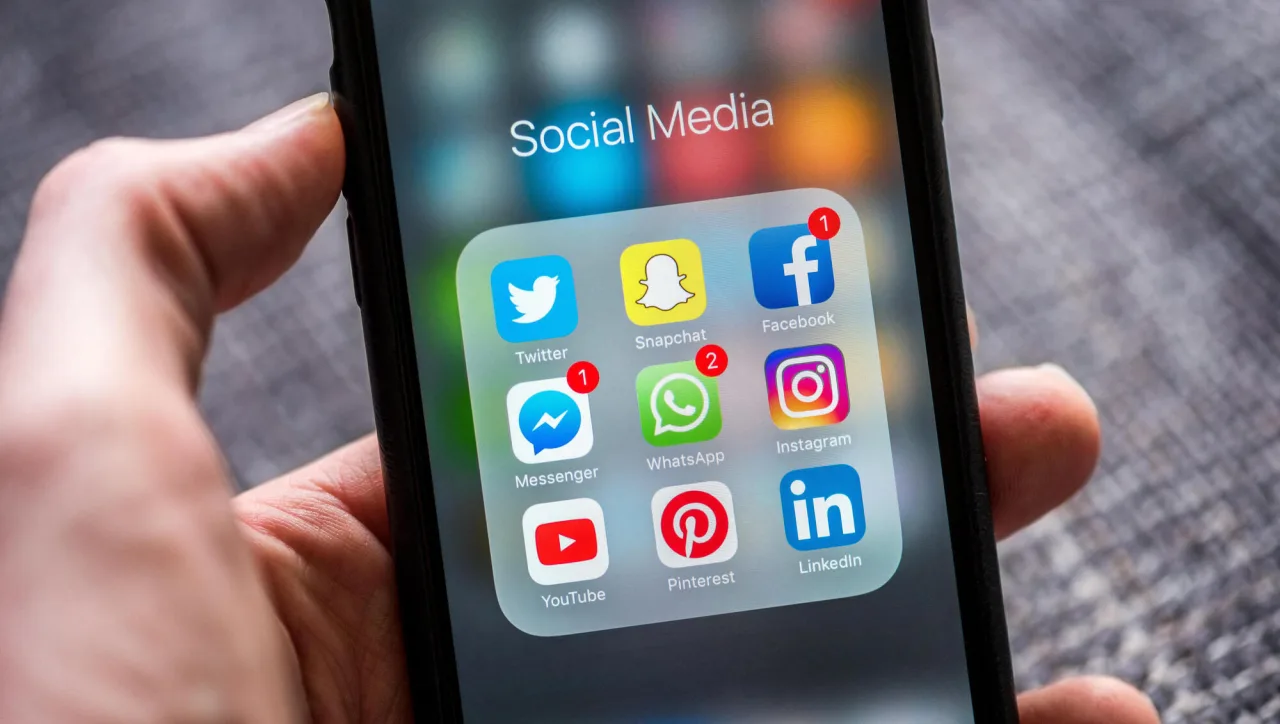
French lawmakers on Tuesday approved a sweeping social media ban for children under 15, making France the first European Union country to enact a blanket restriction on platforms for minors. The legislation, passed by both the Senate and National Assembly, prohibits children under 15 from opening social media accounts starting September 1, 2026, with platforms required to suspend existing accounts within four months. The measure also bans mobile phones in high schools, marking a key initiative of President Emmanuel Macron’s second term.
The law, which faces constitutional review, has drawn both support and criticism. Families in France have sued TikTok over teen suicides linked to harmful content, with advocates praising the ban as a necessary step to counter “tech giants.” Gaëlle Berbonde, a parent from the Paris region, described her daughter’s struggle with self-harm and depression after using TikTok, stating, “The only thing we can do is protect our children, just as we protect our children from drinking alcohol.”
Macron hailed the law as a “lead in Europe in protecting our children and our teenagers,” emphasizing its alignment with global efforts to address digital risks. However, left-wing lawmakers and legal experts raised concerns about its enforceability and constitutional compliance. Ines Legendre of e-Enfance noted challenges in identifying and suspending existing accounts for minors, while Socialist MP Arthur Delaporte criticized the law’s “vagueness.” A constitutional review is expected to determine its validity, potentially delaying implementation.
France’s health watchdog reported that 90% of children aged 12 to 17 use smartphones daily, with 58% accessing social networks. A December report linked excessive use to reduced self-esteem, increased exposure to harmful content, and heightened risks of self-harm and depression. The ban excludes online encyclopedias, educational directories, and scientific resources, though platforms like YouTube and WhatsApp must verify ages in social network sections.
The legislation follows global trends, including Australia’s 2024 ban on social media for under-16s, which imposes fines of up to 50 million Australian dollars for noncompliance. Spain, Denmark, and Greece have proposed similar measures, while the European Commission is reviewing whether France’s law aligns with the EU’s Digital Services Act. Commission President Ursula von der Leyen has called for age-appropriate restrictions, recommending a ban on social media for those under 13 until platforms prove safety.
Technology companies have pledged compliance but raised privacy concerns, with the European Commission introducing a pan-European age verification app in April. Junior Minister for AI Anne Le Hénanff stated, “We French will all have to prove our age for four months. If users are under 15, the account on the platform will be closed.” However, platforms have opposed blanket bans, arguing they already implement age restrictions and safety measures.
The law’s implementation coincides with Macron’s push to reduce youth smartphone use, including a ban on mobile phones in high schools. The measure represents one of his final major policy initiatives ahead of the end of his term. The European Commission is expected to propose a pan-EU framework for minors’ online safety in the near future, reflecting growing global urgency on the issue.
Dateline Wire is dedicated to independent, evidence-backed reporting. This briefing was synthesized from primary source reporting, corroborated across independent newsrooms, and verified against our Editorial Standards.