Trump says US will destroy a bridge or power plant for each Iranian attack
President Trump has threatened to target Iranian bridges and power plants following attacks on vessels in the Strait of Hormuz. The conflict has caused crude oil prices to exceed $93 per barrel and resulted in significant casualties.
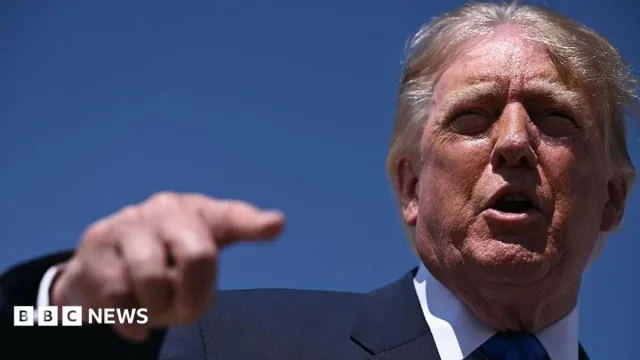
U.S. President Donald Trump has vowed to destroy a bridge or power plant for each Iranian attack on ships in the Strait of Hormuz, escalating tensions in a conflict that has disrupted global energy markets and raised fears of wider regional war.
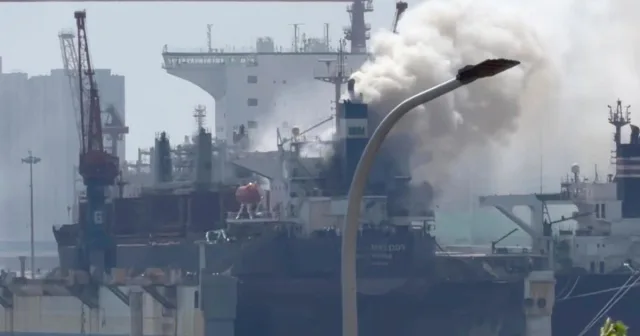
Trump’s threat, announced via social media, came as the U.S. military completed its 11th consecutive night of strikes on Iran, targeting aircraft hangars and drone storage sites in Tehran. The statement followed an Iranian missile attack on Jordan’s Aqaba, a city near Israel’s border, which triggered alerts in Bahrain and Saudi Arabia. Jordan’s military intercepted four Iranian missiles and four drones, while smoke plumes were visible over Eilat, Israel, according to videos shared by local residents.
The U.S. has accused Iran of targeting ships under its protection in the Strait of Hormuz, a vital route for global oil and gas trade. Trump’s warning explicitly linked retaliation to any Iranian use of “Missile, Rocket, Drone, or any other device or weapon” against vessels in the strait. “From this point forward, any time the Islamic Republic of Iran shoots at a ship in the Strait of Hormuz… the United States will bomb and destroy ONE BRIDGE OR POWER PLANT,” he wrote.
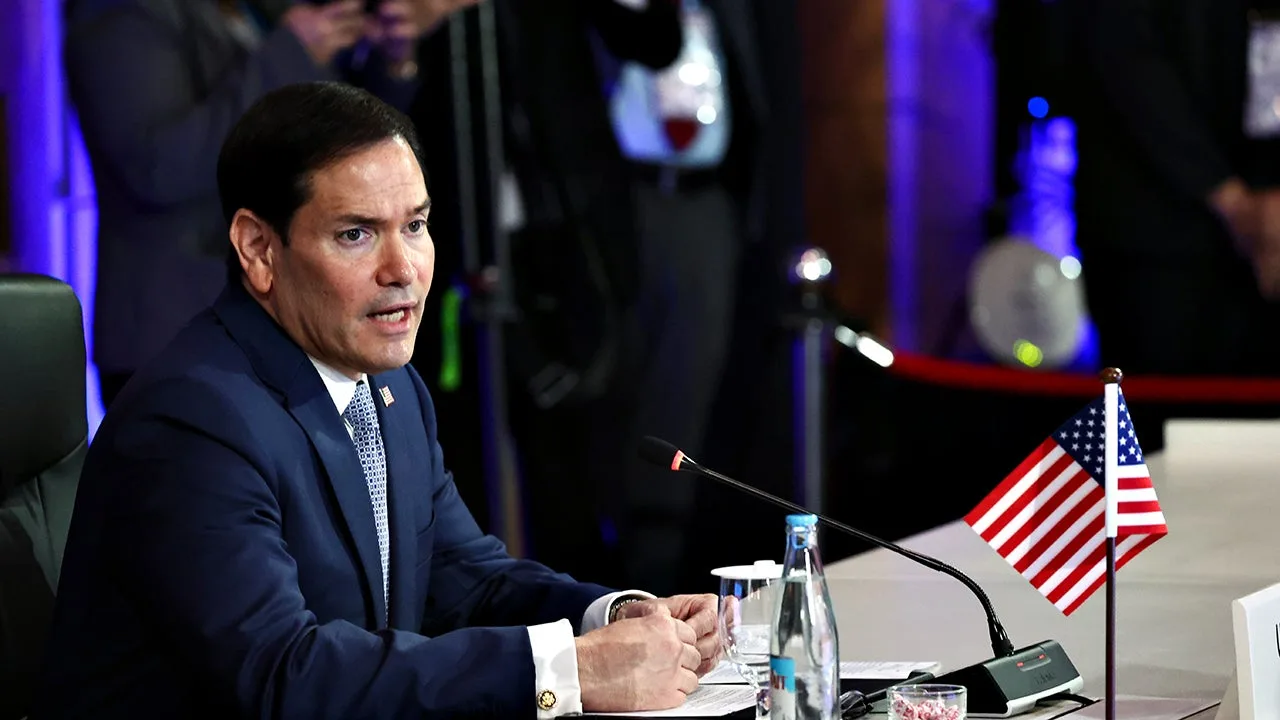
The escalation follows weeks of stalled diplomacy. Iran’s parliament speaker, Mohammad Bagher Qalibaf, dismissed the threat, asserting that “the security of the strait is in the absence of American forces” and vowing that prewar conditions would not return. Meanwhile, U.S. Secretary of State Marco Rubio condemned Iran’s actions at a regional summit in the Philippines, warning that allowing a nation to control an international waterway and demand tolls would set a dangerous precedent.
The conflict has already triggered economic turmoil. Benchmark Brent crude oil surged past $93 a barrel, up from under $72 earlier this month, while U.S. gasoline prices climbed. The strait, which once handled a fifth of global traded oil, remains largely closed due to Iranian attacks, with Iran-backed Houthi rebels in Yemen also threatening to target Saudi shipping in the Red Sea.
Iran has retaliated by striking energy infrastructure and desalination plants in Gulf countries, drawing condemnation from the United Nations. Secretary-General Antonio Guterres called such attacks “unacceptable,” noting that international law prohibits targeting civilian infrastructure unless it serves a military purpose. The U.S. has re-imposed a blockade on Iranian ports, further straining regional stability.
The human toll of the conflict continues to rise. Iran’s Health Ministry reported 53 deaths, including six women and three children, from U.S. strikes over the past 11 days, with nearly 600 wounded. Meanwhile, Trump traveled to Dover Air Force Base on Wednesday to receive the remains of four U.S. service members killed in recent attacks. Sgt. Tyler James Feehan, Pfc. Isabella Gonzales, Sgt. Angel S. Rampersad, and Sgt. Michael Emmanuel Swinton were among 18 U.S. military personnel killed since the war began in February. Trump expressed no interest in further talks with Iran, stating the U.S. would only engage “in a meaningful way.”
The president also signaled plans to strike an under-construction Iranian nuclear site, Pickaxe Mountain, near the Natanz enrichment facility. Iran has long maintained its nuclear program is peaceful, but the U.S. and others suspect it seeks weapons-grade uranium. The site, buried deep under a mountain, has remained untouched despite Iran’s continued excavation.
As the conflict intensifies, the risk of wider war looms. Iran’s Interior Minister Eskandar Momeni had recently visited Pakistan, a key mediator, to revive stalled diplomacy. However, no new arrangements have emerged to ease tensions. The U.S. has also faced internal scrutiny, with lawmakers criticizing the war’s costs and human impact. Defense Secretary Pete Hegseth estimated the conflict has cost $37.5 billion so far.
The situation underscores the fragile balance of power in the region. With both sides entrenched, the Strait of Hormuz remains a flashpoint, its closure threatening global markets and raising the specter of civilian casualties on an unprecedented scale.
Dateline Wire is dedicated to independent, evidence-backed reporting. This briefing was synthesized from primary source reporting, corroborated across independent newsrooms, and verified against our Editorial Standards.