Trump signs executive orders to limit birthright citizenship
President Trump has signed new executive orders aimed at restricting birthright citizenship for specific groups, setting up a fresh legal clash.
- Headline: Trump signs executive orders to limit birthright citizenship
- Dispatch Summary: President Trump has signed new executive orders aimed at restricting birthright citizenship for specific groups, setting up a fresh legal clash.
- Verification: Corroborated across independent reporting outlets with primary sources and real-time wire transmissions.
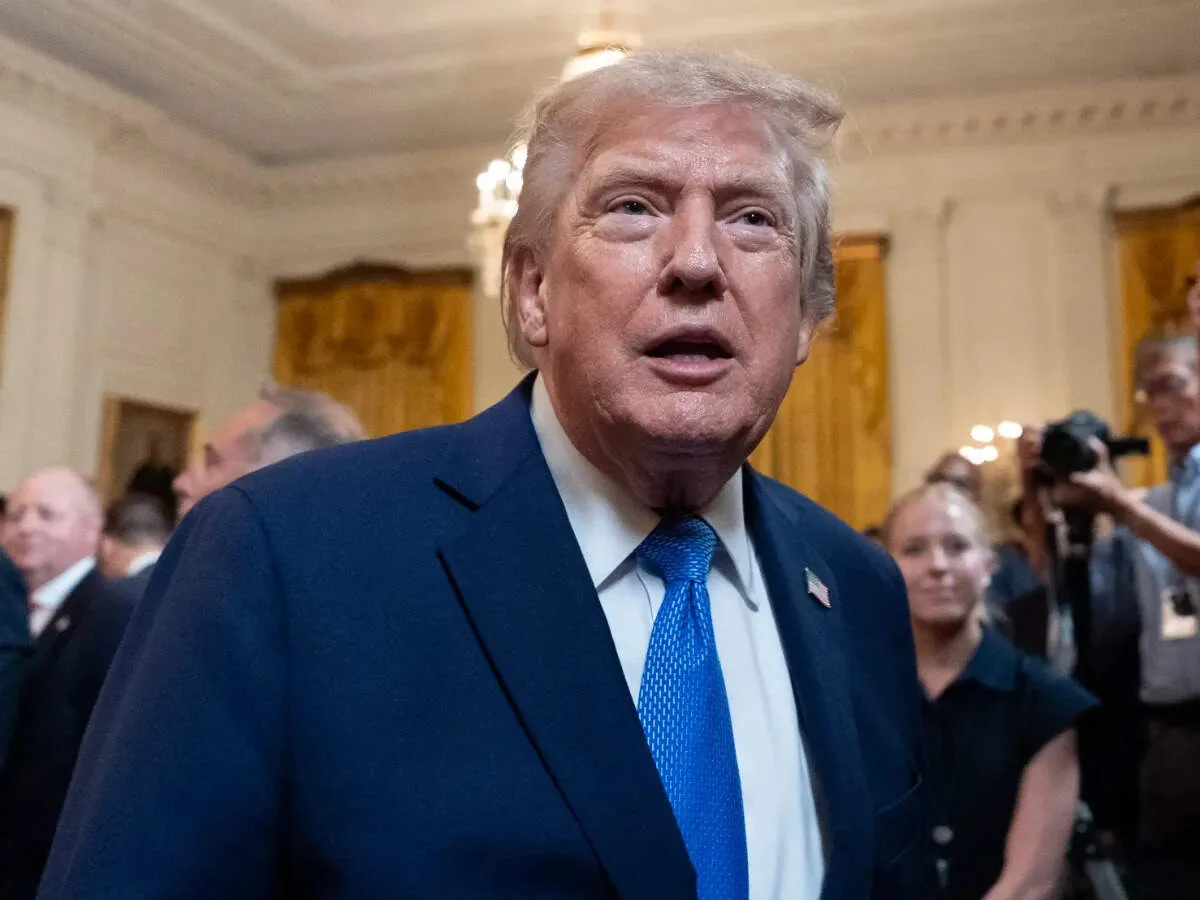
U.S. President Donald Trump faced fresh criticism from a longtime Republican ally after his fiancée was detained by Immigration and Customs Enforcement (ICE), with the man comparing the agency to the “Gestapo” and disavowing his support for the president. John Gannon, a 75-year-old self-proclaimed lifelong Republican, described his fiancée, Venezuelan immigrant Yasmin Suarez Reyes, as being “swarmed” by eight ICE agents at an airport and taken into custody without explanation. The incident occurred amid a surge in ICE arrests, which hit an all-time high in July with 51,000 detentions, according to a report from ABC News.
Gannon, who had previously supported Trump, called the detention of his fiancée — described as having no criminal record and having filed an asylum visa with “timely” filings — a betrayal of the American system. “I feel totally betrayed,” he told CBS Mornings. “You never think or I never thought a guy like me would ever be involved in anything like this.” He criticized the administration’s focus on detaining immigrants like his fiancée, whom he called “not law-abiding people,” and accused ICE of targeting “fish in a barrel” rather than addressing “hard guys.”
The case highlights the broader impact of Trump’s immigration policies, which have intensified enforcement efforts following a period of public scrutiny. The Trump administration has quietly ramped up immigration crackdowns after the shooting deaths of Renee Good and Alex Pretti in Minnesota at the hands of immigration agents. Gannon’s experience underscores growing concerns about the treatment of immigrants under the current administration, even as Trump’s executive orders on birthright citizenship remain a focal point of legal and political battles.
Trump’s recent executive orders, signed on Thursday, aim to limit birthright citizenship by targeting children of foreign diplomats, “alien enemies,” and individuals engaging in “birth tourism.” The measures, which the administration claims address “fraudulent” practices, come after a Supreme Court ruling in June reaffirming the 14th Amendment’s guarantee of citizenship for all persons born in the U.S. The president argued the new orders fall outside the court’s decision, but legal challenges from groups like the American Civil Liberties Union (ACLU) have already begun.
The ACLU’s Cody Wofsy criticized the orders as an attempt to “rewrite constitutional law,” noting that the 14th Amendment’s protections have long been interpreted to exclude only children of foreign diplomats and “enemy occupying forces.” Immigration advocates and scholars warned that the policies risk deepening divisions over immigration, with existing legal frameworks, such as federal regulations against using tourist visas for citizenship, already addressing concerns about fraud.
The executive actions also intersect with broader immigration enforcement strategies, including efforts to deport undocumented migrants and restrict visas for nationals of several countries. While the White House frames the orders as a narrow response to specific issues, critics argue they reflect a broader pattern of executive overreach. The fate of the orders will likely depend on how courts view their legality, with the Supreme Court’s previous rejection of similar measures casting a long shadow over the administration’s approach.
Gannon’s case adds a personal dimension to the debate, illustrating the human toll of policies that have become central to Trump’s political agenda. As the legal and political battles continue, the administration’s enforcement actions and executive orders remain at the heart of a contentious national conversation about citizenship, immigration, and the limits of presidential power.
New developments in the Trump administration’s immigration policies include the reinstatement of a rule affecting green card applicants under the public charge policy, which requires immigrants to prove self-sufficiency to avoid dependency on public assistance. This rule, set to take effect in September, is part of a broader strategy to limit immigration influxes. Additionally, USCIS now denies incomplete immigration applications without requesting more evidence, a change that impacts thousands of applicants, including those from India, according to the new source. These measures align with the administration’s focus on stricter immigration enforcement, though experts warn of potential disruptions to vulnerable applicants.
The Trump administration’s efforts to reshape immigration policy continue to face legal and political challenges. While the executive orders on birthright citizenship remain a central issue, the broader enforcement strategies and regulatory changes underscore the administration’s commitment to tightening immigration controls, even as critics highlight the human and systemic costs of such measures.
How significant is this wire dispatch?
Cast your anonymous vote to register reader consensus across journalism and intelligence sectors.
Dateline Wire is dedicated to independent, evidence-backed reporting. This briefing was synthesized from primary source reporting, corroborated across independent newsrooms, and verified against our Editorial Standards.