Trump says Canada wants US state benefits after trade talks collapse
US President Donald Trump accused Canada of seeking statehood benefits without the status following the collapse of trade talks, sparking retaliatory tariffs.
- Headline: Trump says Canada wants US state benefits after trade talks collapse
- Dispatch Summary: US President Donald Trump accused Canada of seeking statehood benefits without the status following the collapse of trade talks, sparking retaliatory tariffs.
- Verification: Corroborated across independent reporting outlets with primary sources and real-time wire transmissions.
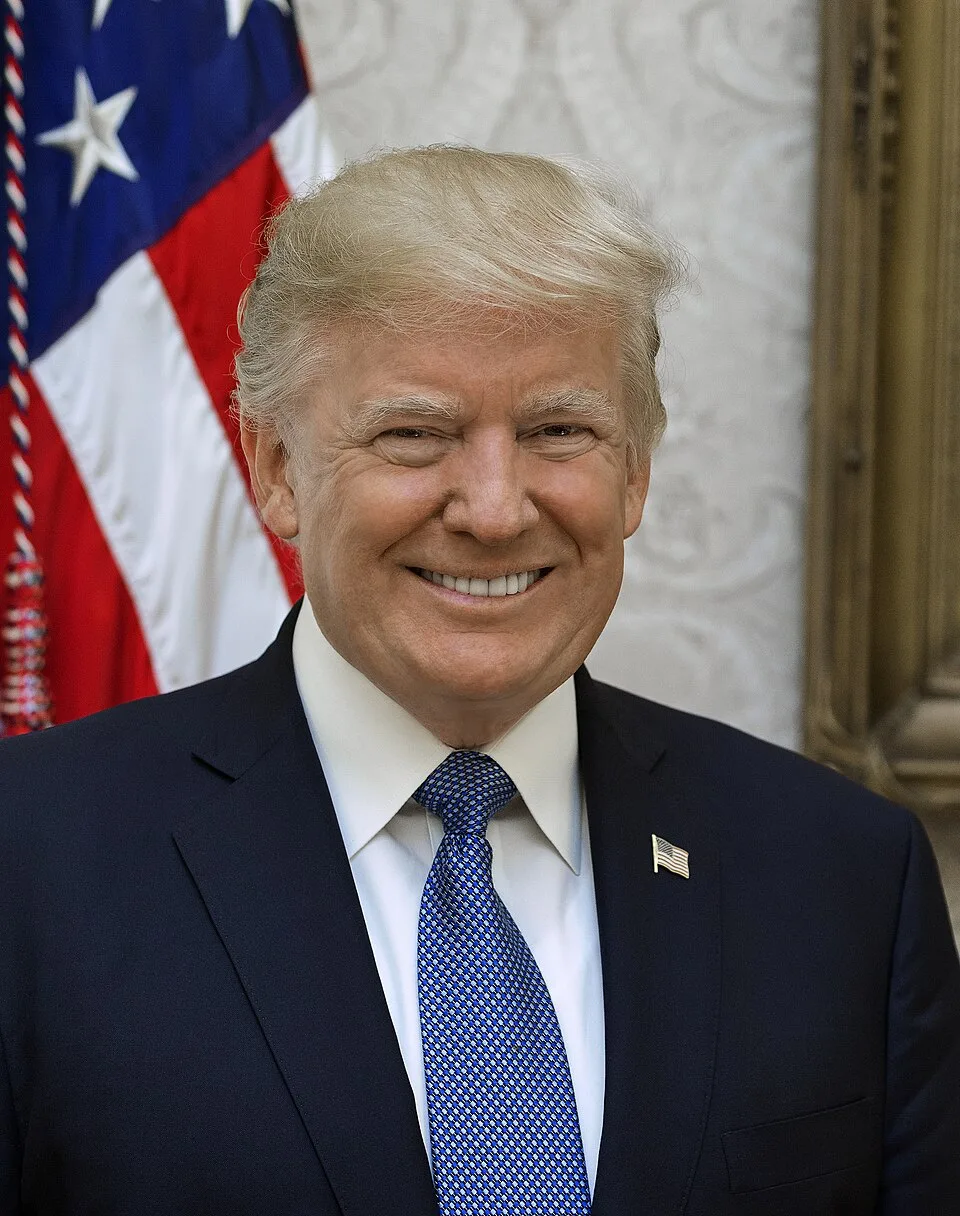
U.S. President Donald Trump has intensified pressure on Canada following the collapse of trade negotiations, accusing the country of seeking the "benefits of being a federal state without actually being one" in a social media post. The dispute, which has escalated into a tariff war, centers on conflicting demands over market access and economic sovereignty, with both nations imposing retaliatory measures that risk further destabilizing their $1.6tn trade relationship.
The latest developments highlight Canada’s determination to resist what Prime Minister Mark Carney has called U.S. economic coercion. Carney, who warned in January that middle powers must withstand pressure from great powers like the U.S., has framed the standoff as a test of Canada’s ability to maintain independence amid escalating tariffs. His government has rejected U.S. demands that would restrict Canada’s capacity to pursue independent trade deals, calling such conditions "unacceptable" and a threat to sovereignty.
Trump’s rhetoric has revived longstanding claims about Canada’s potential integration into the U.S., with the president asserting that "Canada lives because of the United States" and accusing Ottawa of imposing "massive amounts of Tariffs" on U.S. farmers. These remarks follow the U.S. imposition of 50% tariffs on $20bn worth of Canadian goods, including wine, dairy, and hockey equipment, which took effect Saturday. Canada has retaliated with dollar-for-dollar measures targeting U.S. steel and dairy sectors, set to begin 8 September.
Business leaders in both countries have warned of severe economic consequences, urging a return to negotiations. Joshua Bolten, chairman of the Business Roundtable, called for the removal of harmful tariffs, while Dennis Darby, head of the Canadian Manufacturers & Exporters, expressed concern over long-term investment uncertainty. "The ongoing uncertainty is particularly problematic for companies’ willingness to invest," Darby said, warning of a "more volatile" economic climate.
Canadian provinces have largely supported Carney’s approach, with Ontario Premier Doug Ford praising the decision to reject a "bad deal" and Alberta’s Danielle Smith urging a return to talks while acknowledging the need for resistance. However, some provincial leaders, including Alberta’s Smith, have expressed reservations about the scope of Canada’s retaliatory measures.
Experts suggest the conflict could reshape global trade dynamics. Historian Robert Bothwell noted Canada’s unique vulnerability to U.S. pressure, stating that "no country is more exposed than Canada" due to its reliance on the U.S. market, which absorbs nearly three-quarters of its exports. Meanwhile, political analysts like Ian Bremmer argued that Canadians view Trump’s policies as "predatory," with public support for a hardline stance growing despite economic costs.
The dispute has also drawn attention to the broader implications for U.S. alliances. European Union officials, who previously faced Trump’s tariffs, have adopted a more conciliatory approach, but Canada’s defiance offers a contrasting example. "Taking a hard line in response to U.S. policy perceived as predatory—even with major economic cost to Canada—is popular among most Canadians," Bremmer said.
As the standoff continues, the outcome could influence how other U.S. allies navigate similar pressures. Manitoba Premier Wab Kinew warned of a prolonged confrontation, noting that Trump’s remaining two years in office may see further escalation. Carney, however, has framed the conflict as a defense of Canadian sovereignty, stating, "We are keeping that promise" to resist U.S. efforts to "own us."
The U.S. has shown no immediate plans to resume talks, with Trade Representative Jamieson Greer accusing Canada of introducing "new demands" during negotiations. Meanwhile, Canadian officials emphasize their commitment to maintaining economic independence, even as they acknowledge the costs of retaliation. "Last spring, I warned that America is trying to break us so that they can own us," Carney said. "And I promised: ‘That will never, ever happen.’"
Updated 1 time since publication; last update 3 October 2026, 22:48.