Celtic and Rangers appeal Scottish FA closed-doors sanctions and fines
Both clubs have appealed Scottish FA sanctions mandating closed-doors matches and £100,000 fines following violent fan clashes at Ibrox.
- Headline: Celtic and Rangers appeal Scottish FA closed-doors sanctions and fines
- Dispatch Summary: Both clubs have appealed Scottish FA sanctions mandating closed-doors matches and £100,000 fines following violent fan clashes at Ibrox.
- Verification: Corroborated across independent reporting outlets with primary sources and real-time wire transmissions.
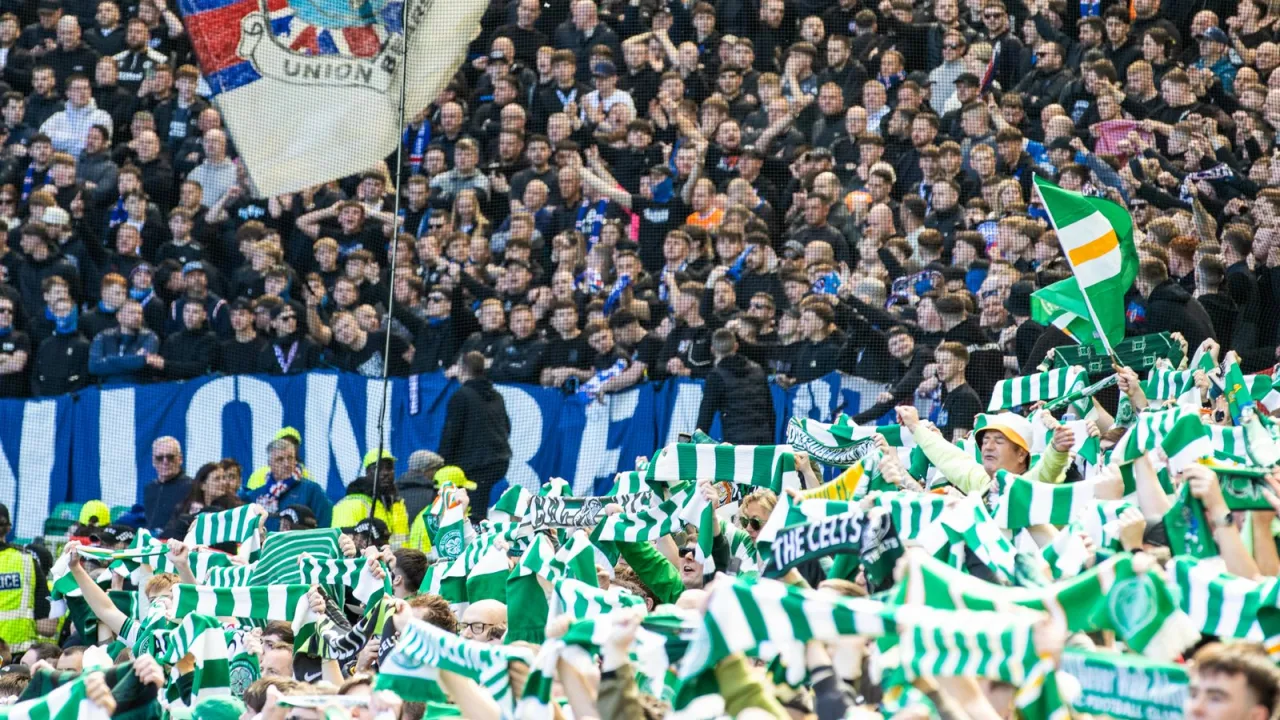
Celtic and Rangers have appealed Scottish FA sanctions that mandate their next Scottish Cup home matches be played behind closed doors and impose a £100,000 fine per club. The decision stems from violent fan clashes during their March 2026 Scottish Cup quarter-final at Ibrox, where 43 people were arrested and police and stewards were injured amid a pitch invasion involving supporters from both sides.
Sanctions Follow Ibrox Chaos
The SFA’s ruling, announced in late September 2026, mandates that both clubs face a stadium ban for their next Scottish Cup home games and a financial penalty. The punishment was triggered by the quarter-final encounter, which saw Celtic progress to the semi-finals after a 4-2 penalty shootout victory over Rangers. The match, held at Ibrox, was the first Old Firm derby at the stadium since 2018, with around 7,500 Celtic fans in the Broomloan Stand, a departure from traditional away ticket allocations.
Following the game, a section of Celtic supporters invaded the pitch to celebrate, prompting a violent response from Rangers fans, who launched fireworks and charged toward the pitch. The chaos led to 43 arrests, with police and stewards sustaining injuries. An independent review commissioned by the SFA, led by Mark Blackbourne, concluded that "crushing" and "life-threatening violence" were narrowly avoided, citing the "reactionary, confrontational" behavior of Rangers’ Union Bears and the "wholly inexcusable" pitch invasion by Celtic supporters.
Celtic’s Disproportionality Argument
Celtic has framed its appeal around the claim that the sanctions are disproportionate, particularly since it was not the home club responsible for stadium safety arrangements. The club’s statement emphasized that "Celtic were not the home club, responsible for stadium safety arrangements" and highlighted "inadequate match planning" by Rangers, which it argued "could have caused a serious life-threatening crush." The report also noted that a post-match Glasgow City Council meeting described police officers as "petrified" of policing another Ibrox fixture, a claim the SFA has not directly addressed.
Celtic’s appeal also challenges the £100,000 fine, arguing that the punishment unfairly lumped both clubs together despite "violence from the home fans" and "attacks on police officers and stewards by Rangers fans." The club pointed to specific incidents, including an assault on a Celtic official and the destruction of Celtic buses after the match, as evidence of systemic failings by Rangers’ management.
Rangers’ Parallel Appeal
Rangers has also appealed the sanctions, though its public statements have been more limited. The club’s decision to allocate just 300 tickets to Celtic for a recent League Cup match at Ibrox was cited as a factor in the SFA’s ruling, with the Ibrox side citing the independent report’s findings. However, Celtic rejected the ticket allocation proposal, leading to the SPFL’s intervention and a ban on away fans at all Old Firm matches this season.
The SFA’s decision to impose a second stadium ban if further "unacceptable conduct" occurs has drawn criticism from both clubs. Celtic’s statement noted that "another important distinction is that, on this occasion, Celtic were not the home club," while Rangers’ response has focused on the broader context of fan behavior and security protocols.
Independent Review Highlights Systemic Risks
The Blackbourne report, published in late 2025, detailed significant failings in crowd management and security. It described certain Ultra groups as having "organizational characteristics more commonly associated with organized crime groups" and called for heavier sanctions against incidents linked to these factions. The report also criticized the "non-compliant Ultra group fans surging past police and stewards," which it deemed a "real and foreseeable risk" of a "crushing incident."
The SFA’s decision to impose the stadium ban and fine was framed as a preventive measure to deter future violence. However, both clubs argue that the punishment fails to account for the specific circumstances of the March match, including the role of Rangers’ inadequate planning and the broader context of Old Firm tensions.
| Detail | Information |
|---|---|
| Sanction | Next Scottish Cup home matches played behind closed doors |
| Fine | £100,000 per club |
| Appeal Hearing Date | 26 October 2026 |
| Arrests | 43 people following Ibrox clash |
| Independent Report Findings | “Crushing” and “life-threatening violence” narrowly avoided; Ultra groups’ behavior linked to organized crime characteristics |
Frequently Asked Questions
When will the appeal hearing take place?
The appeal hearing for Celtic and Rangers is scheduled for 26 October 2026, as determined by the Scottish FA.
What were the reasons for the sanctions?
The sanctions were imposed following violent fan clashes during the March 2026 Scottish Cup quarter-final at Ibrox, which resulted in 43 arrests and injuries to police and stewards. An independent report cited "crushing" and "life-threatening violence" risks, linking the chaos to Ultra group behavior and inadequate stadium security.
What are the clubs’ main arguments against the sanctions?
Celtic argues the sanctions are disproportionate, emphasizing it was not the home club and that Rangers’ inadequate match planning contributed to the chaos. Rangers has also appealed, though its public statements have focused on broader fan behavior and security protocols.
The outcome of the appeal could set a precedent for how the SFA handles Old Firm derbies in the future. With the hearing scheduled for 26 October, the next critical development will be the SFA’s decision on whether to uphold or revise the sanctions. Meanwhile, the SPFL’s ban on away fans at Old Firm matches this season remains in effect, raising questions about the long-term impact on fan engagement and club dynamics.
How significant is this wire dispatch?
Cast your anonymous vote to register reader consensus across journalism and intelligence sectors.
Dateline Wire is dedicated to independent, evidence-backed reporting. This briefing was synthesized from primary source reporting, corroborated across independent newsrooms, and verified against our Editorial Standards.