Russia launches largest ballistic missile attack on Kyiv since start of war
The attack involved 41 ballistic missiles and 125 drones, damaging residential and industrial sites while prompting urgent pleas for air defense systems.
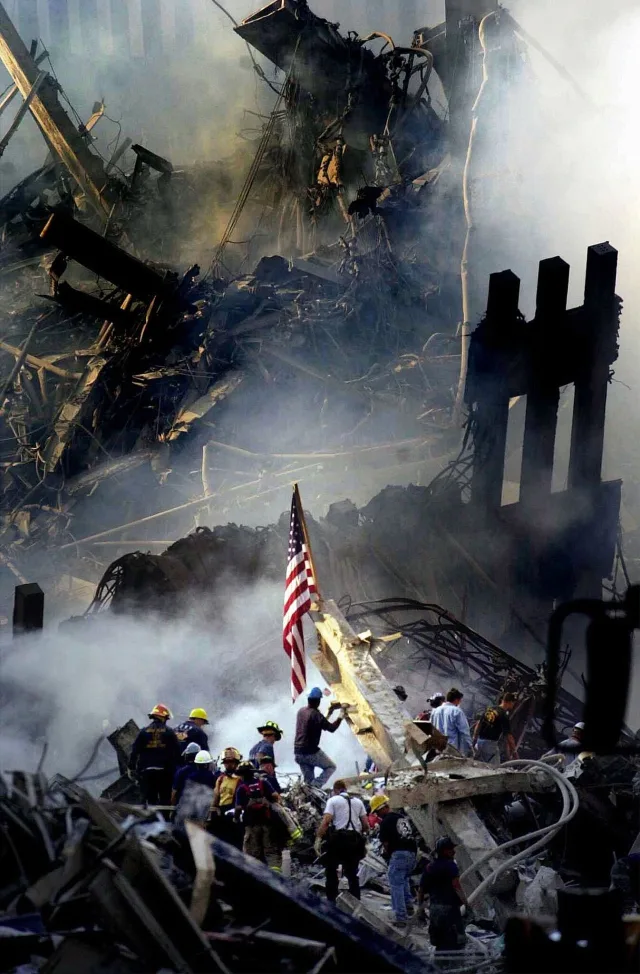
Russia launched its largest ballistic missile attack on Kyiv since the start of the war on July 19, 2026, marking a significant escalation in the conflict. The assault, which targeted the Ukrainian capital with a wave of missiles and drones, left at least one person dead and 16 others injured, according to Ukrainian officials. Fires erupted across multiple districts, damaging residential buildings, offices, industrial sites, and vehicles, as emergency crews worked to rescue survivors and contain blazes.
The attack, described by Ukrainian President Volodymyr Zelenskyy as one of the "most massive" since Russia’s full-scale invasion in 2022, involved 41 ballistic missiles and 125 drones, according to the Ukrainian air force. Of these, 18 missiles and 108 drones were intercepted by air defenses, while 23 missiles and 10 drones struck 20 locations, the military reported. The barrage, which lasted several hours, included Iskander-M and S-400 ballistic missiles, Zircon hypersonic missiles, and Shahed-type drones, as detailed by RFE/RL. Explosions echoed through Kyiv overnight, with residents describing the assault as the "scariest night of my life," according to the Kyiv Independent.
Ukrainian authorities confirmed widespread damage, including fires in five districts of the capital. A dormitory, a supermarket, and a logistics hub in the Bucha district were among the affected sites, while parked cars and office buildings caught fire in several areas. Rescue workers pulled four people from a burning home in the Sviatoshynskyi district and rescued residents from a three-story building in the Shevchenkivskyi district. In the Solomyanskyi district, fires broke out on the roof of a supermarket and a nearby residential building, while debris from intercepted missiles and drones fell in 18 additional locations, according to the air force.
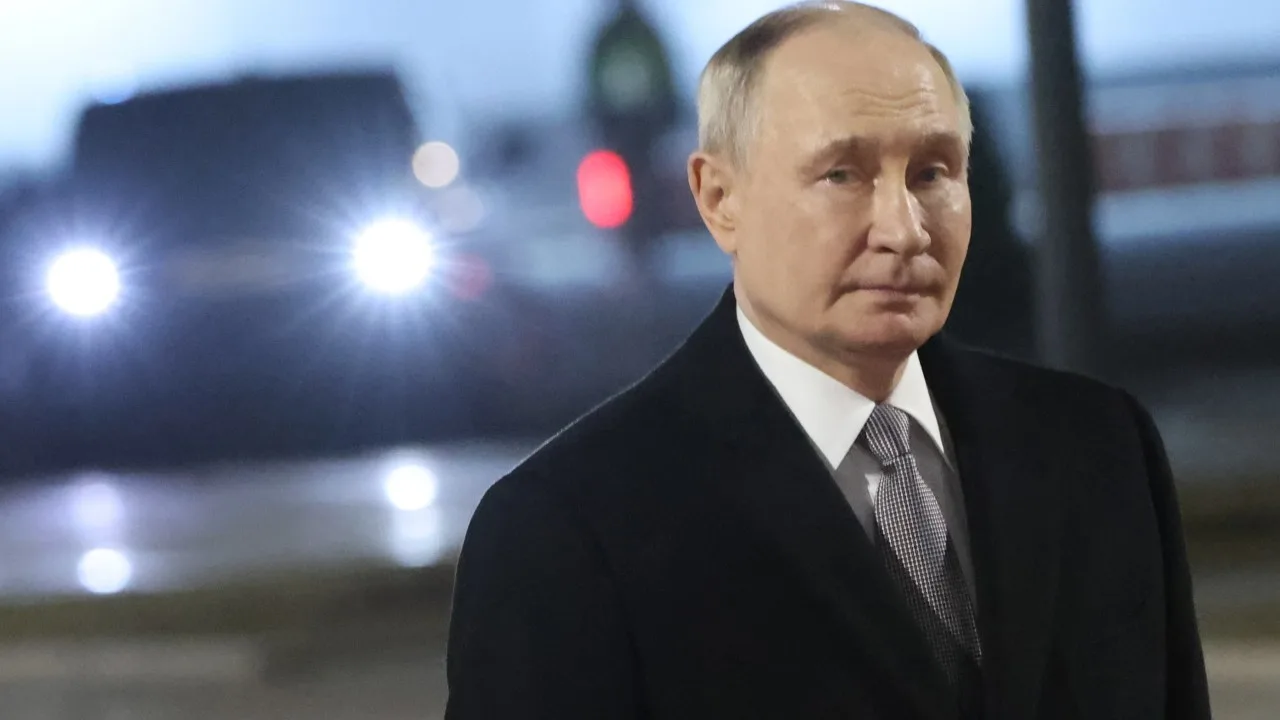
Russian forces claimed the attack targeted "defense industry facilities and logistics centers" in Kyiv, as stated by the Russian Defense Ministry. However, Ukrainian officials and residents disputed this, emphasizing that civilian infrastructure was the primary focus. Zelenskyy condemned the strikes as a "brutal terrorist attack" and reiterated Ukraine’s urgent need for more ballistic missile interceptors, particularly Patriot systems, to counter the escalating threat. "Interceptors are needed every day," he said, urging allies to accelerate deliveries of air defense systems.
Casualty figures varied across reports. While some Ukrainian sources cited one death and 16 injuries in Kyiv, the BBC reported at least eight fatalities, including dozens injured, in what it called the "most massive" attack on the capital. The discrepancy may reflect differing timelines or reporting areas, as attacks also struck other regions. In Kharkiv, four people were killed in a postal depot strike, while Zaporizhia and Donetsk regions reported additional casualties. The Kyiv Independent noted that emergency crews were deployed to three locations, with nearly 600 first responders involved in rescue operations.
The assault came amid heightened tensions over Ukraine’s military leadership. Protests erupted in Kyiv following Zelenskyy’s removal of defense minister Mykhailo Fedorov, a move critics called a "worst mistake" that undermined Ukraine’s military momentum. Meanwhile, Russia intensified its attacks on Ukrainian cities, with Kyiv facing a shortage of Patriot missiles to defend against ballistic strikes. The U.S. has proposed licensing Ukraine to produce Patriot systems domestically, but the timeline for implementation remains unclear.
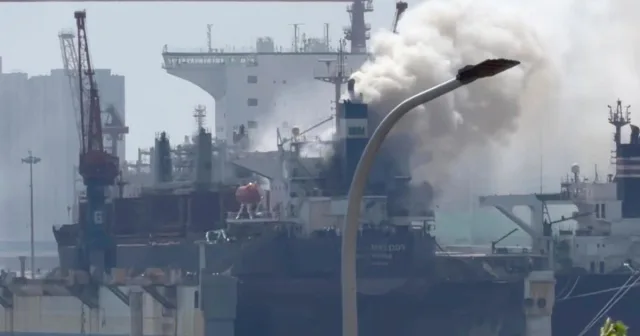
Ukraine also continued its counterattacks on Russian infrastructure, targeting oil tankers in the Black Sea and fuel depots in southern Russia. The Caspian Pipeline Consortium reported damage to two tankers, halting oil loading operations, while the Ukrainian Security Service claimed strikes on three oil depots in the Stavropol region. These actions, Zelenskyy argued, aimed to "starve Russia of fuel and supplies," as the war entered its fifth year.
The attack underscored the evolving tactics of both sides. Analysts noted that Russia’s combined missile and drone strikes are becoming more frequent, with Ukrainian air defenses struggling to keep pace. "The bombardment of Ukrainian cities by Russian ballistic missiles is now a preferred strategy," said Phillips O’Brien, a professor at the University of St. Andrews. Ukraine, meanwhile, has intensified its long-range drone campaigns, targeting Russian energy infrastructure and forcing Moscow to divert resources to protect its supply lines.
As the conflict continues, the humanitarian toll and strategic challenges for Ukraine remain severe. With air defense systems under strain and diplomatic efforts stalled, the war shows no signs of abating. For Kyiv, the July 19 attack serves as a stark reminder of the relentless pressure facing the city, even as residents and officials vow to persevere.
Dateline Wire is dedicated to independent, evidence-backed reporting. This briefing was synthesized from primary source reporting, corroborated across independent newsrooms, and verified against our Editorial Standards.